Georg Wolfgang Knorr
Georg Wolfgang Knorr (1705-1761) stands as a definitive figure of the mid-eighteenth century, operating adeptly at the critical intersection of artistic precision and empirical observation. Identified by his contemporary designation as both a German engraver and a rigorous naturalist, Knorr contributed essential documentation to the burgeoning scientific literature of the Enlightenment. His period of principal activity, spanning from approximately 1715 to 1751, cemented his reputation for disciplined, academically-driven printmaking. Today, select examples of his distinctive graphic output are maintained in major institutional repositories, including the Metropolitan Museum of Art and the Rijksmuseum, underscoring his enduring historical influence.
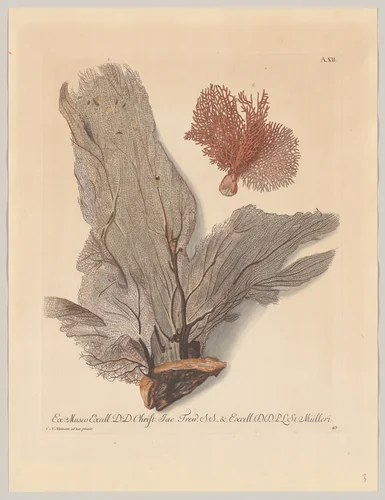
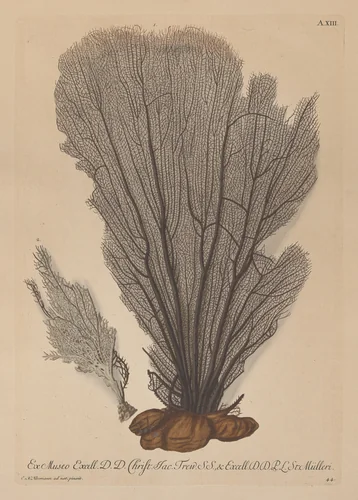
Knorr’s most profound contribution was his collaborative work on large-scale illustrated treatises dedicated to the natural world. Central to this achievement is the monumental natural history publication, Deliciae Naturae Selectae, an ambitious project that necessitated exhaustive accuracy in translation from specimen to copperplate. Works such as Plate A. XII and Plate A. XIII exemplify his approach: compositions defined by meticulous line work intended not merely as decoration, but as functional, didactic visual records. This fusion of artistic skill and commitment to scientific fidelity elevated his engravings beyond mere illustration; they became definitive scientific references for the period.
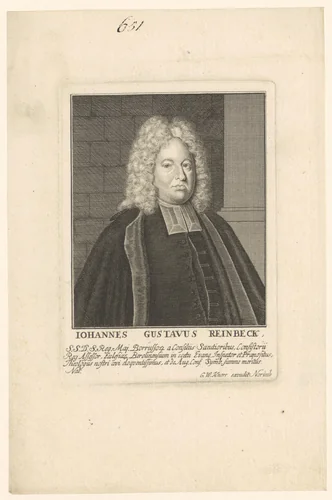
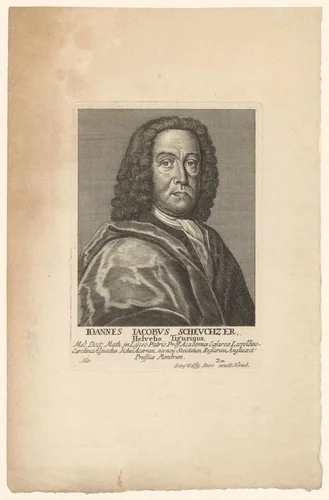
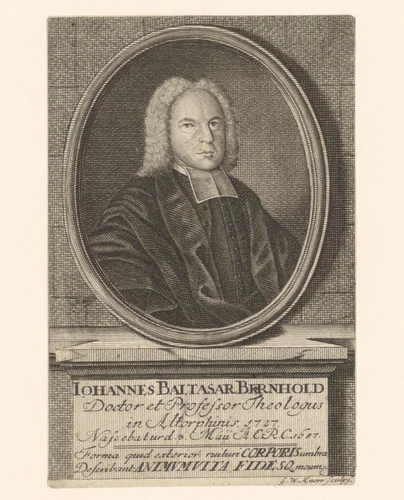
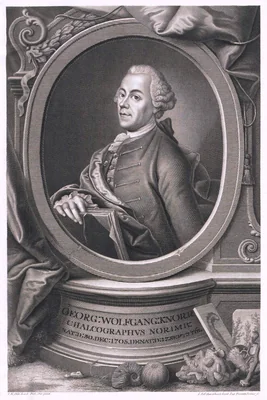
Demonstrating a crucial versatility, Knorr was equally adept at capturing the intellectual establishment of his era. His engraved portraits, such as the likenesses of theologians and scholars including Portret van Johann Gustav Reinbeck and Portret van Johann Jakob Scheuchzer, function as compelling visual records of the key minds shaping 18th-century discourse. It is worth noting that Knorr, unlike some of his flashier contemporaries, preferred the sustained, quiet labor of the studio over external drama, allowing the clarity of his line to speak for the seriousness of the subject. This disciplined focus ensured that whether documenting a rare mollusk or a learned pastor like Johann Balthasar Bernhold, the resulting image possessed an undeniable, museum-quality gravitas.
Knorr’s lasting legacy is rooted in the clarity and wide availability of his graphic contribution. Due to the historical nature of his prolific output and its subsequent placement within institutional collections, much of his work, including high-quality prints and detailed natural history illustrations, now resides securely within the public domain. This accessibility ensures that scholars and enthusiasts worldwide can readily access downloadable artwork, preserving Knorr’s integral role in the visual record of eighteenth-century European science.
Source: Wikipedia · CC BY-SA 4.0