Georg Trump
Georg Trump (1898-1985) was a defining figure in 20th-century German visual culture, primarily recognized for his pivotal roles as a graphics designer, innovative typographer, and meticulous postage stamp artist. His work bridged the functional clarity of industrial aesthetics with a refined technical execution, establishing new standards for graphic communication across Germany.
Trump’s enduring legacy rests largely on his groundbreaking contributions to typeface design. He possessed a rare ability to translate distinct stylistic demands into highly effective, functional forms. His major creations include the immensely successful book face Trump Mediaeval (1954), praised for its humanist warmth and exceptional legibility; the monumental, heavy slab serif City, which captured the mechanical rigor of the industrial era; and the condensed, hard-edged Schadow, a testament to purposeful density. These typefaces demonstrate his comprehensive mastery of differing stylistic requirements, ranging from scholarly publishing to commercial display.
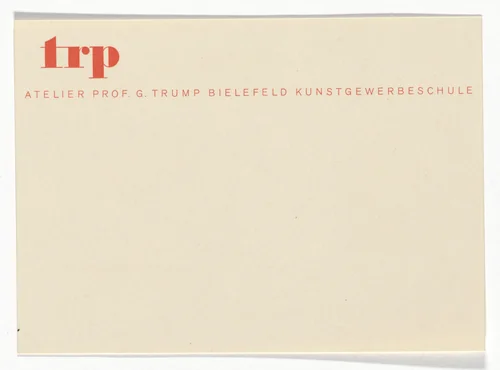
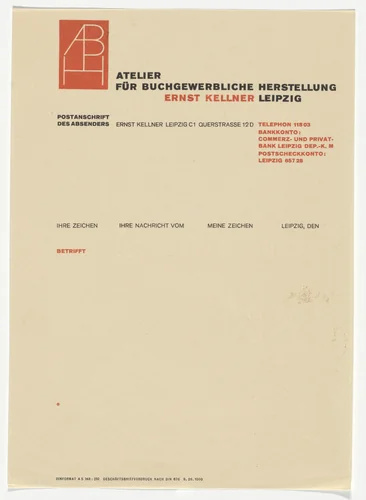
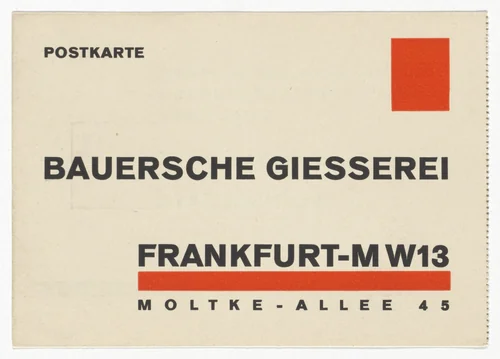
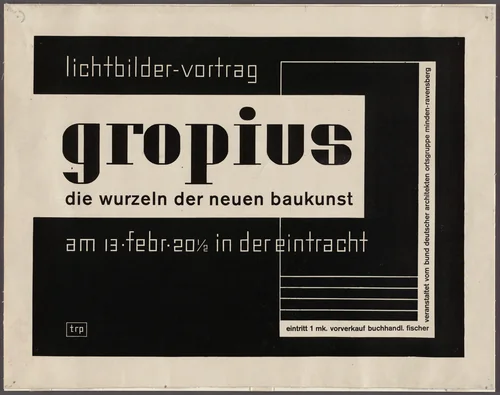
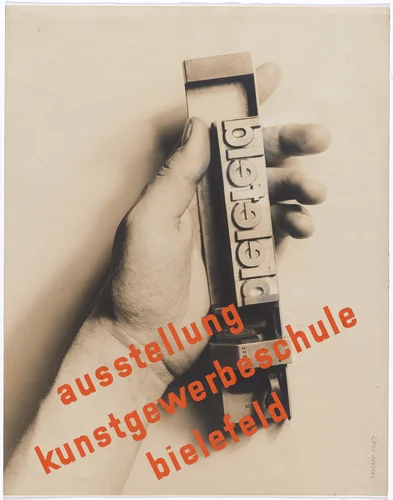
His graphic design practice, active from the mid-1920s, encompassed commercial applications for diverse clients. Early works, some of which are now held in collections such as the Museum of Modern Art, include promotional materials and corporate identities, evidenced by items like the Atelier Prof. G. Trump stationery postcard and the sophisticated letterhead design for Bauersche Giesserei. Trump also contributed graphic treatments to architectural discourse, notably the design for documentation related to Gropius, die Wurzeln der neuen Baukunst, placing him at the intersection of emerging modernism and print technology.
It is a fascinating aspect of his career that an artist responsible for the stark, almost brutalist simplicity of the City typeface was equally known for the precise, miniaturist skill required for postage stamp design. His designs for these ephemeral products reflect his versatile approach to scale and medium. Today, his extensive historical graphic materials and original sketches, many valued for their museum-quality design, are increasingly accessible. A growing number of his works are entering the public domain, allowing researchers and practitioners to access high-quality prints and analyze the output of this pivotal figure in mid-century German graphic arts.
Source: Wikipedia · CC BY-SA 4.0