Georg Philipp Rugendas
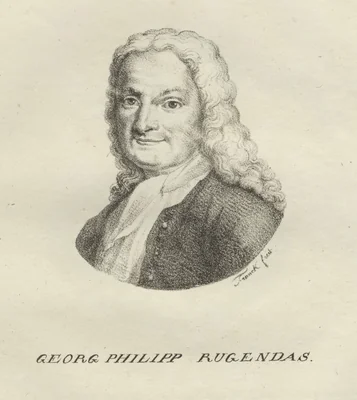
Georg Philipp Rugendas (1666-1722) stands as a foremost exponent of the military genre in the German Baroque, establishing a definitive visual record of soldiery life in the late seventeenth and early eighteenth centuries. Born and active in the important artistic center of the Free Imperial City of Augsburg, Rugendas was both a proficient painter and a highly skilled engraver, a dual capability that allowed his dynamic compositions to reach a wide audience across Europe.
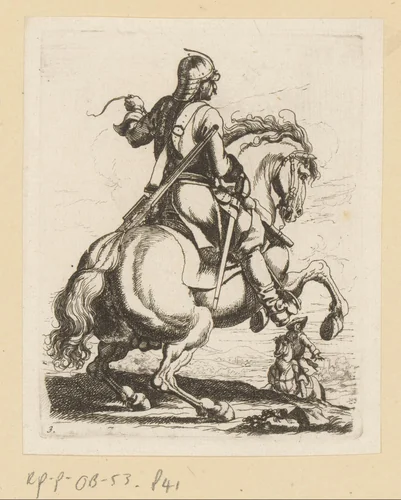
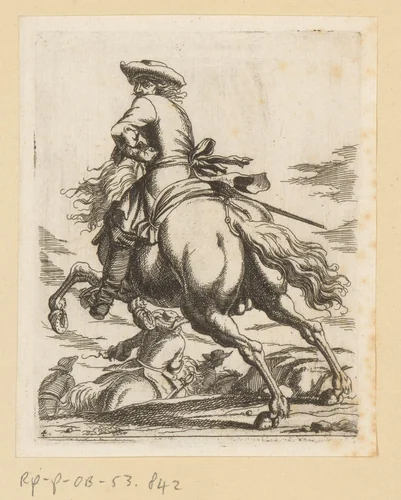
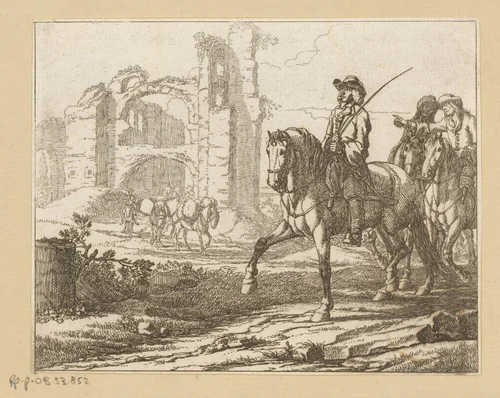
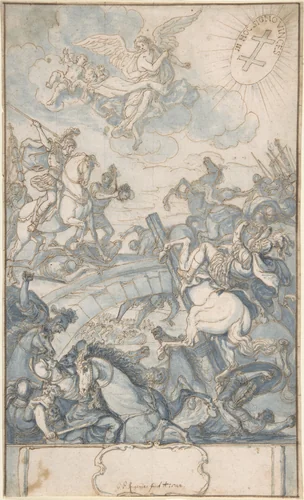
His specialization focused on scenes of cavalry action, camp life, and the mechanics of battle. Unlike artists who merely relied on generalized representations of warfare, Rugendas possessed a technical fluency that captured the specific details of armor, uniform, and equine movement. This technical prowess is evident in the studied dynamism of his prints, such as Ruiter in harnas op steigerend paard (Horseman in armor on a rearing horse) and the action inherent in Ruiter op galopperend paard (Horseman on a galloping horse).
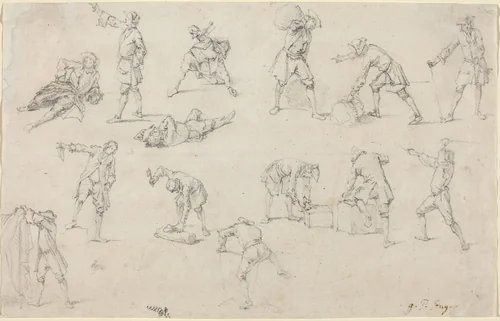
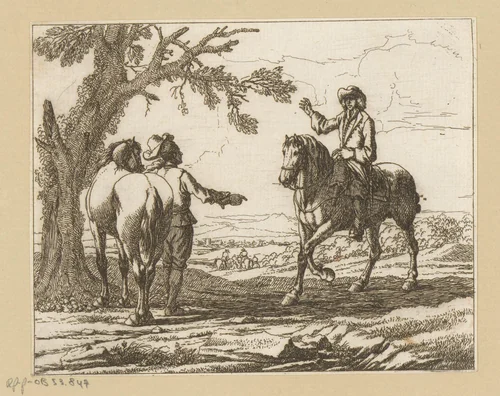
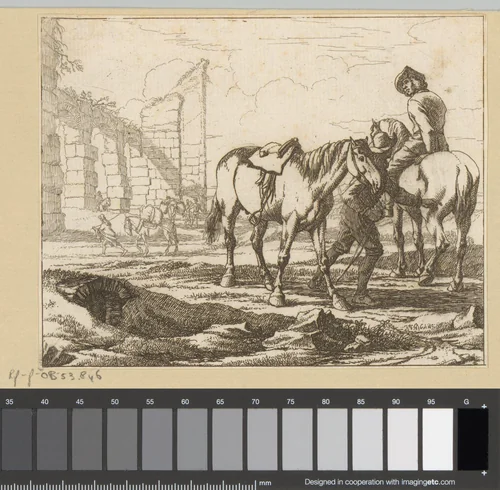
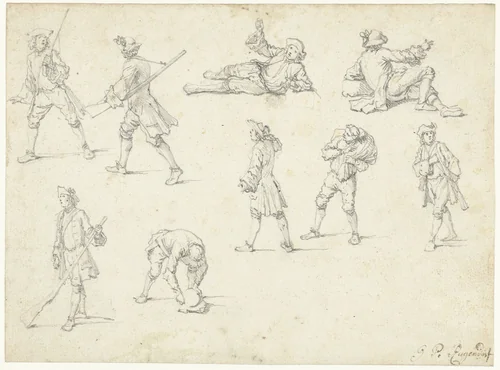
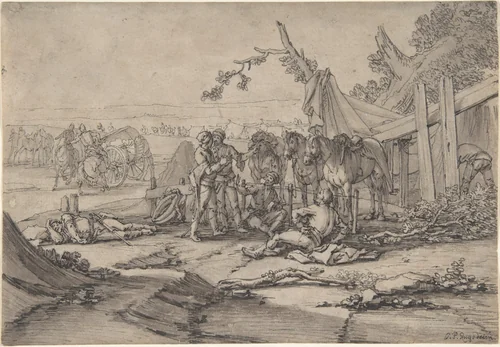
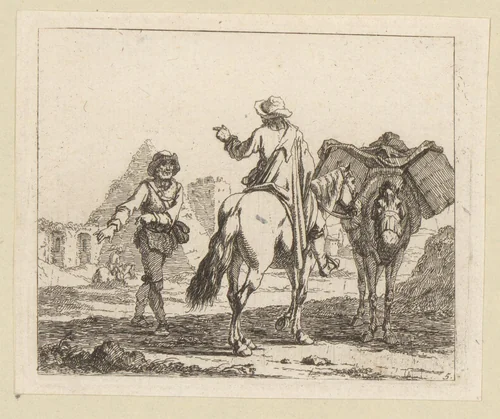
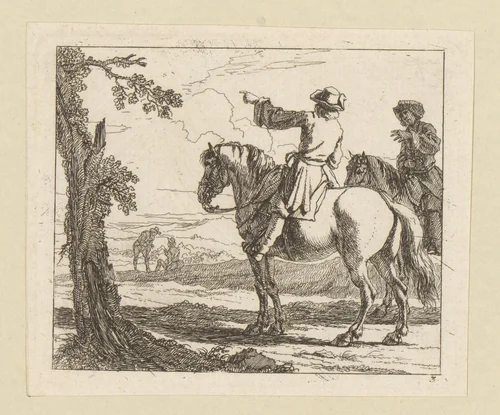
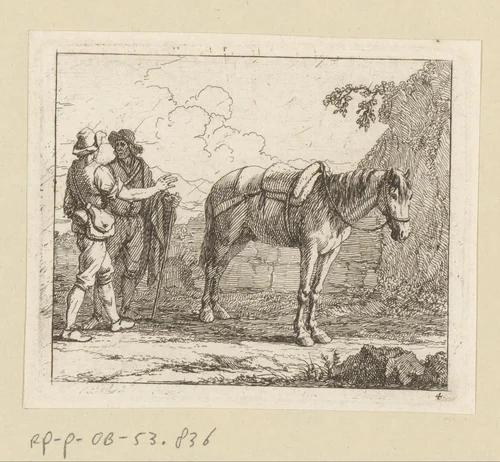
Rugendas often balanced the chaos of conflict with quiet studies of military interaction. Works like Studies of Soldiers in Camp or the conversational vignettes captured in Ruiters in gesprek (Riders in conversation) reveal a dedication to documenting the logistics and the camaraderie of the common soldier, presenting life under arms with detailed observation. Indeed, while he is known for grand battle scenes, the enduring appeal of his oeuvre rests perhaps most strongly in these understated, almost journalistic moments.
As an engraver, Rugendas ensured that his influential designs were widely accessible, cementing his importance in military art history. Today, the high-quality prints derived from his copper plates are housed in major international repositories, including the Metropolitan Museum of Art and the Rijksmuseum. Scholars and enthusiasts benefit greatly from this legacy; many of his important historical documents reside in the public domain, providing a museum-quality glimpse into the military aesthetic of the Baroque period. These royalty-free images serve as indispensable resources for understanding the visual culture of European armies leading into the Age of Enlightenment.
Source: Wikipedia · CC BY-SA 4.0