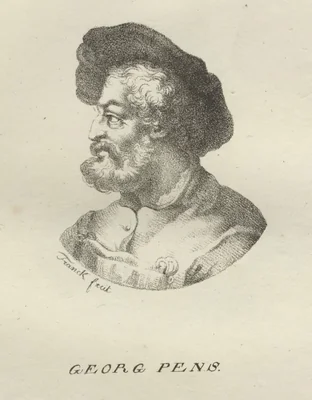
Georg Pencz
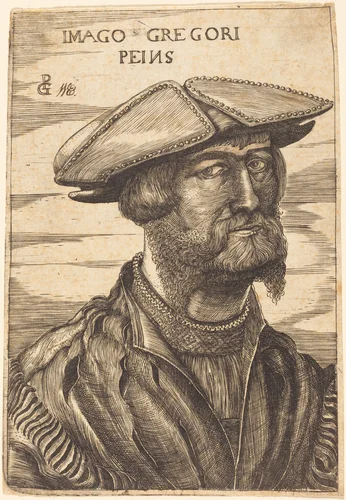
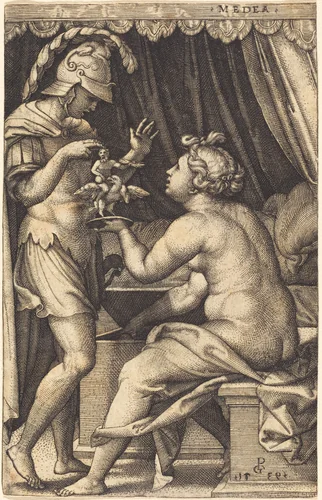
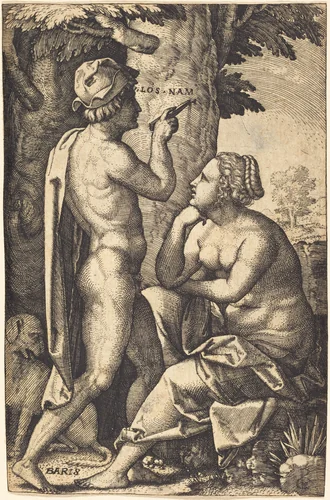
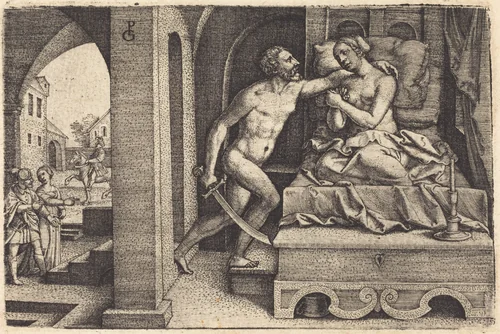
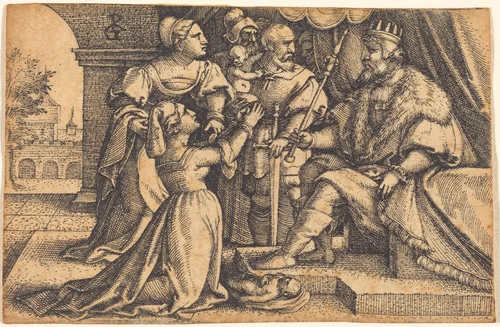
Georg Pencz (c. 1500–1550) was a pivotal German engraver, painter, and printmaker whose career unfolded during the height of the Northern Renaissance in Nuremberg. Though often historically grouped with contemporaries like Hans Sebald Beham and Barthel Beham, Pencz distinguished himself through his remarkable command of the copperplate engraving medium. Together, these artists form the group known as the "Little Masters," characterized by their ability to render complex compositions with astonishing technical finesse on extremely small plates, contributing significantly to the popular visual culture of mid-sixteenth-century Germany.
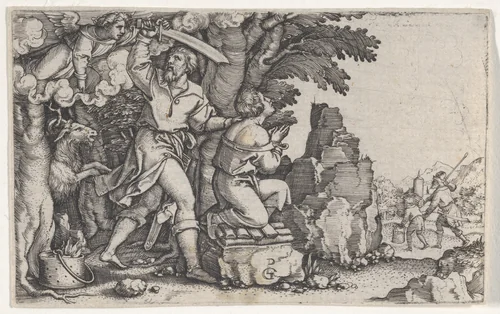
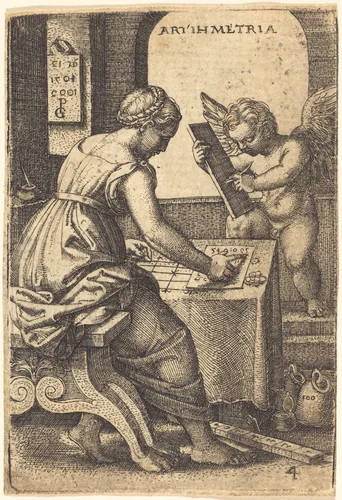
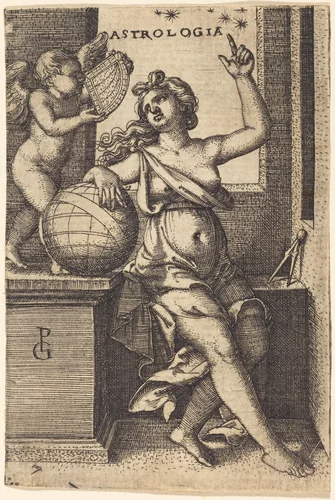
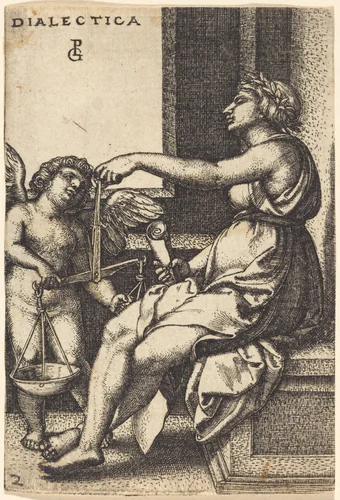
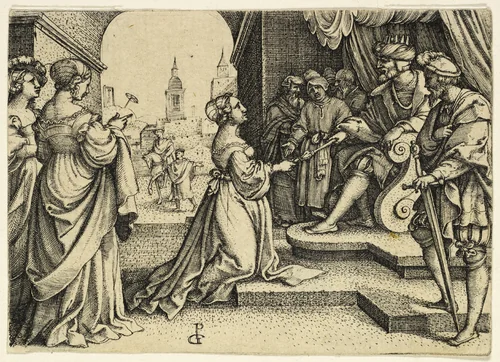
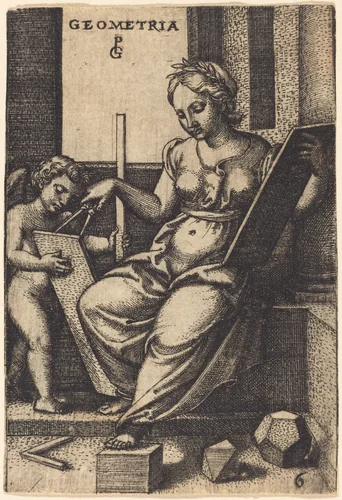
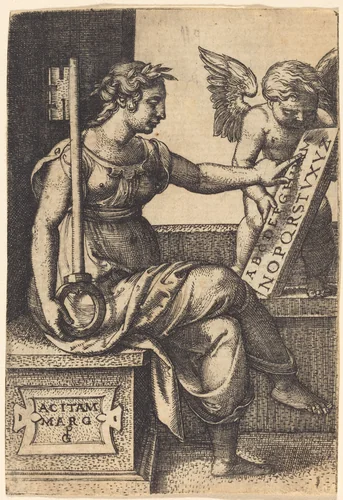
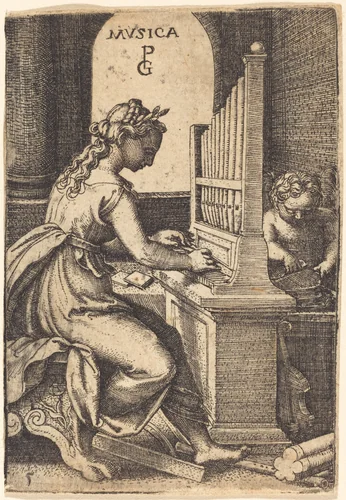
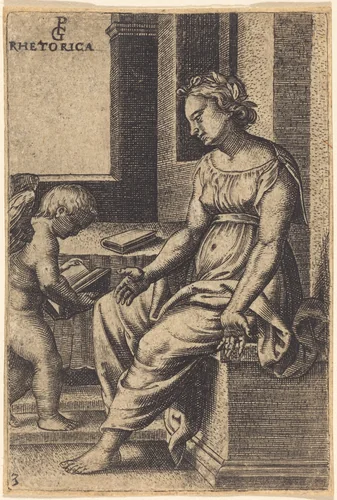
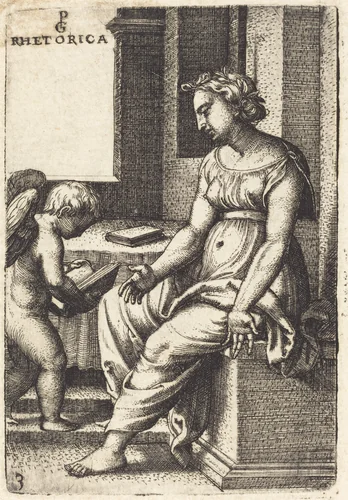
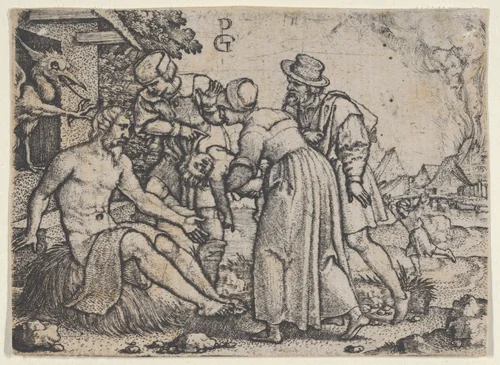
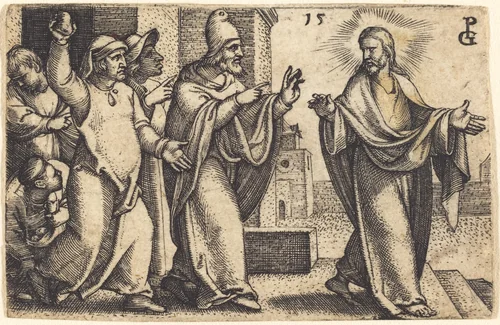
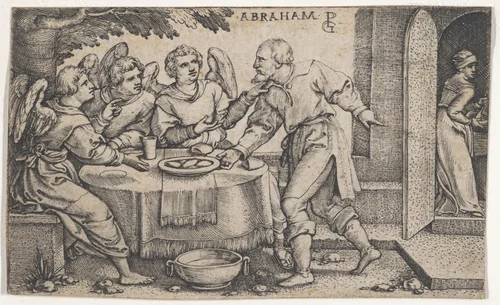
Pencz’s enduring legacy rests firmly on his printed output. These works demonstrate a deep engagement with both classical antiquity and humanist thought, moving beyond strictly religious themes common to the period. This intellectual curiosity is exemplified by his celebrated series depicting the seven liberal arts, including key works such as Arithmetic, Astrology, and Dialectic. His masterful technical skill allowed him to compress grand narratives and sophisticated allegories onto a minute scale, requiring intense concentration from the viewer. One might say that Pencz perfected the art of the miniature masterpiece, demanding the viewer approach the image with the same intimacy one might reserve for reading a handwritten letter. Further theological explorations are evident in his biblical prints, such as Abraham's Sacrifice, which offers a powerful, dramatic interpretation of faith and obedience.
The production and proliferation of copperplate engravings by artists like Pencz significantly democratized access to sophisticated visual art during the Renaissance. While Georg Pencz paintings are scarce, the enduring accessibility of his print catalog allows for continuous critical study of his contribution to graphic arts history. Today, foundational institutions such as the Art Institute of Chicago, the Metropolitan Museum of Art, and the National Gallery of Art hold substantial collections of his works, affirming their museum-quality status centuries later. Furthermore, because much of his catalog rests in the public domain, the opportunity to study and download highly detailed, royalty-free digital images of these high-quality prints is readily available to scholars and enthusiasts globally. His clear draftsmanship and pronounced influence on subsequent generations of German graphic artists confirm his position as a critical voice in the visual output of the Northern Renaissance.
Source: Wikipedia · CC BY-SA 4.0