Georg Kolbe
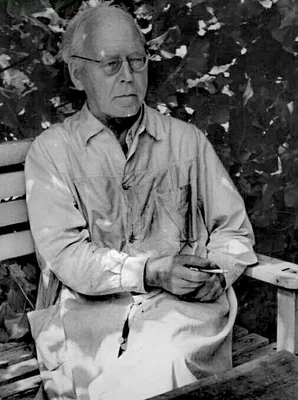
Georg Kolbe (1877-1947) was the preeminent German figure sculptor of his generation. Operating predominantly between the world wars, his achievement rests in defining a synthesis of modern sensitivity and classical form in Central Europe. His significance is confirmed by the sustained study of his output and the enduring presence of his works in major international collections, including the Museum of Modern Art and the Metropolitan Museum of Art.
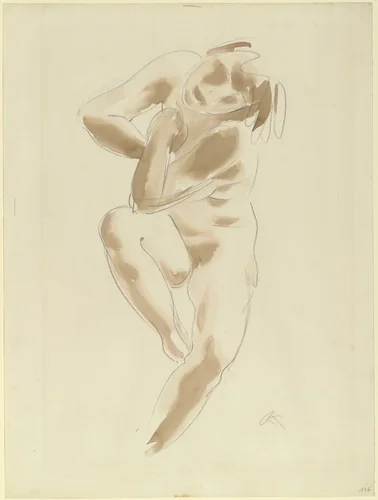
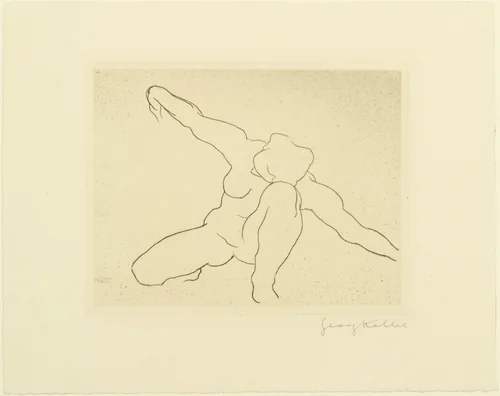
Kolbe developed a rigorous, streamlined style rooted in the tradition of ancient sculpture, yet filtered through contemporary aesthetic concerns. Often rightly likened to the French master Aristide Maillol, Kolbe moved away from the intense, sometimes fractured emotionality of German Expressionism, prioritizing simplified, weighty volumes and the inherent dynamism of the human form. His works are characterized by an exceptional command of balance and repose, exploring gesture not merely as action, but as a narrative device capable of conveying profound psychological states. This focus is clearly seen in his preparatory works, such as the vigorous drawing Dancer (Tänzerin) and the compelling print Call of the Earth (Ruf der Erde).
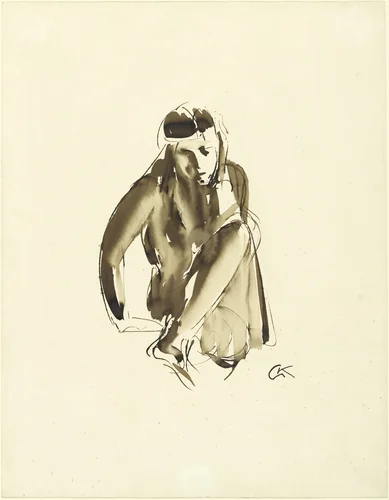
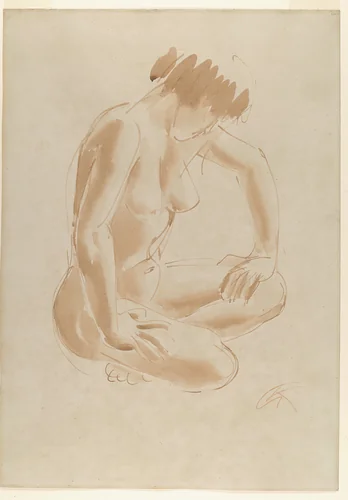
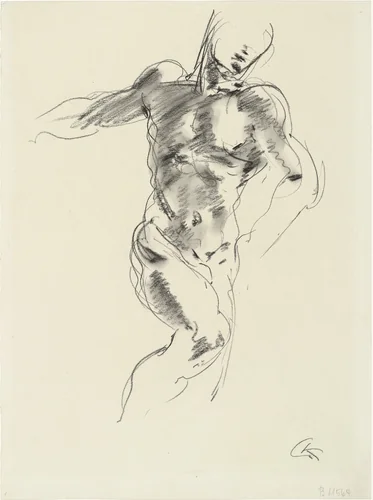
Though primarily known for monumental bronze commissions, the graphic works and drawings produced during his most active period (c. 1918-1933) offer indispensable insight into his process. His sketches, including Seated Nude and Male Figure (Männliche Figur), capture the essence of gesture with economic precision, revealing the fundamental architectonic basis of his three-dimensional achievements. This concentration on anatomy and the potential of a singular pose was essential for his ambition: translating the ephemeral movement of the body into timeless, enduring form.
Kolbe was, essentially, a quiet revolutionary; he domesticated modernism, making the abstract concept of vitalism accessible through recognizable, idealized bodies. The enduring power of his works ensures continued scholarly interest. Today, many important Georg Kolbe prints and related graphic pieces are considered public domain, allowing institutions and enthusiasts globally access to high-quality prints and downloadable artwork for research, study, and enjoyment.
Source: Wikipedia · CC BY-SA 4.0