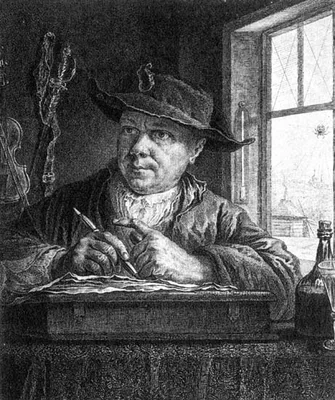
Georg Friedrich Schmidt
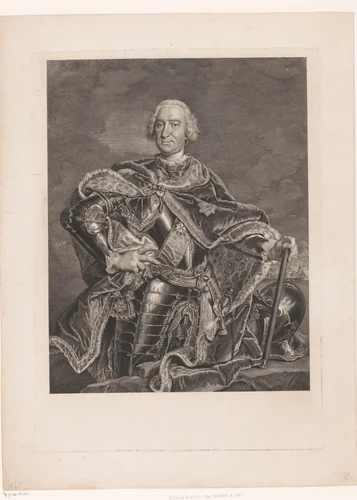
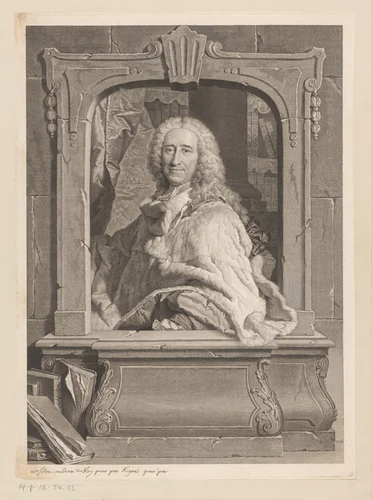
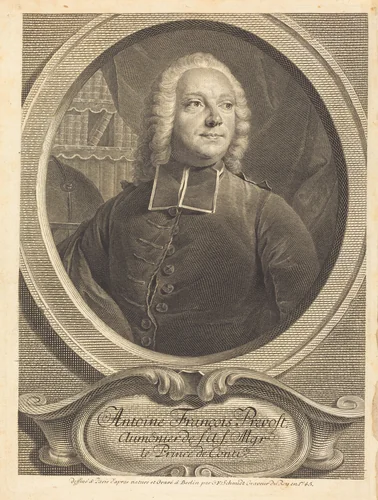
Georg Friedrich Schmidt (1712-1751) occupies a crucial position within the study of German visual arts during the mid-eighteenth century. Active primarily as an engraver, etcher, and pastel painter, Schmidt mastered the delicate and ornate aesthetic of the Rococo style, translating its ephemeral elegance into the precise, reproducible medium of copperplate printmaking. His technical proficiency ensured that his portraits and figure studies quickly gained renown and entered the collections of major European institutions.
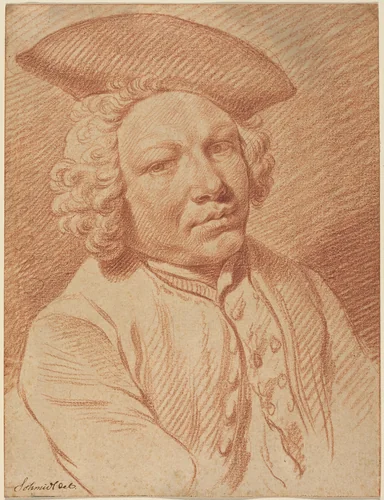
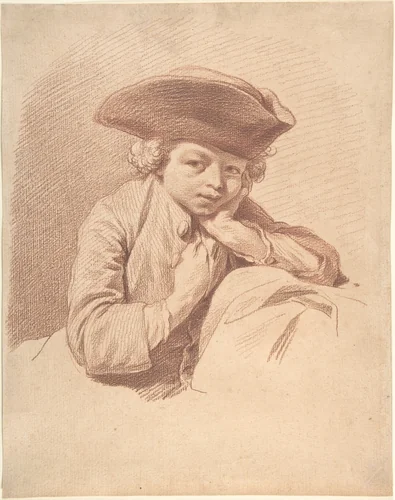
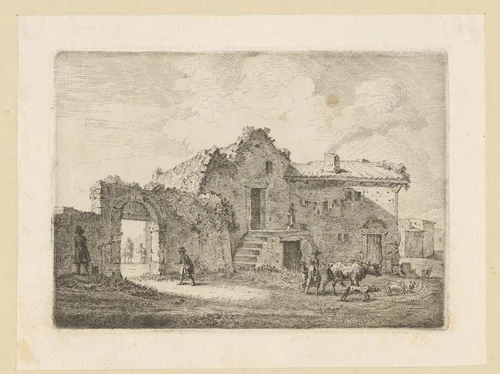
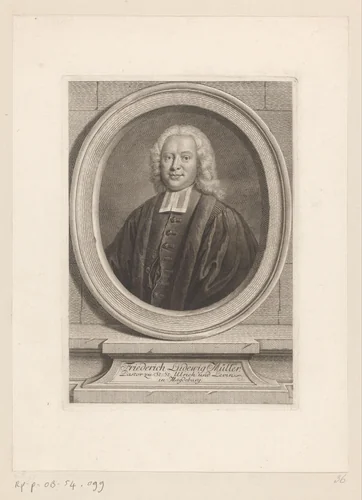
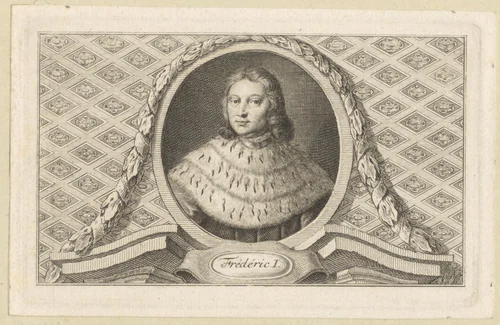
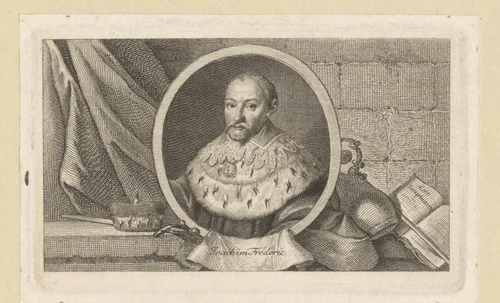
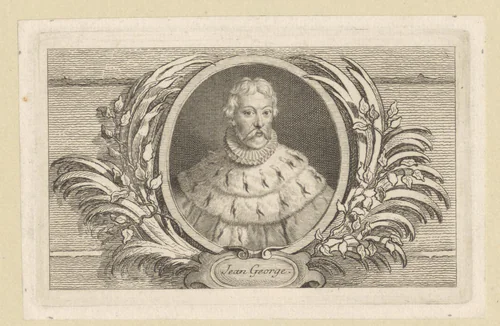
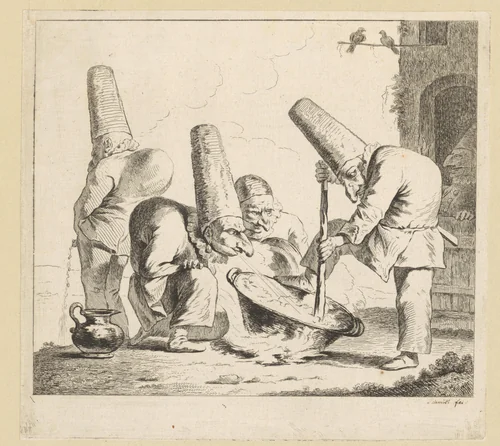
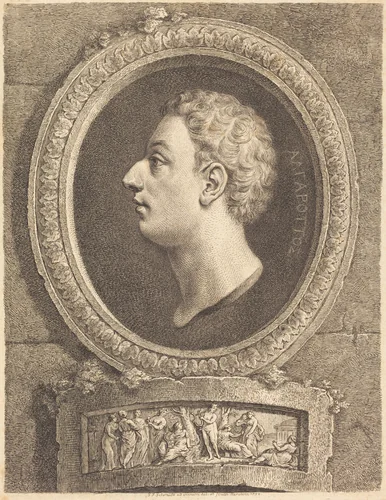
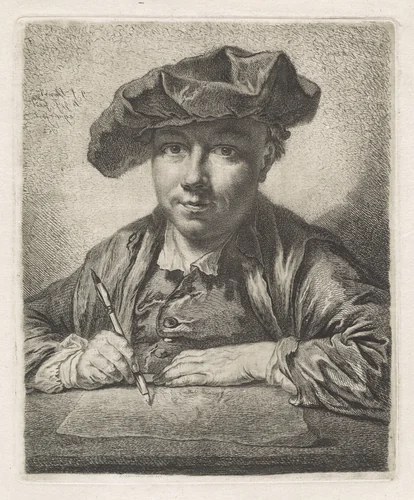
Schmidt’s artistic output is characterized by a sensitive handling of texture and light, capturing the nuanced details of his sitters’ dress and expression. While his oeuvre is dominated by commissioned portraiture, exemplified by works such as Portrait of a Man in a Tricorn Hat and Portret van Friedrich Ludwig Müller, he also demonstrated a capacity for capturing vernacular subjects. The drawing Bouwvallige boerderij (Dilapidated Farmhouse), for instance, provides a small but telling glimpse into his willingness to shift focus from courtly subjects to rustic, architectural scenes.
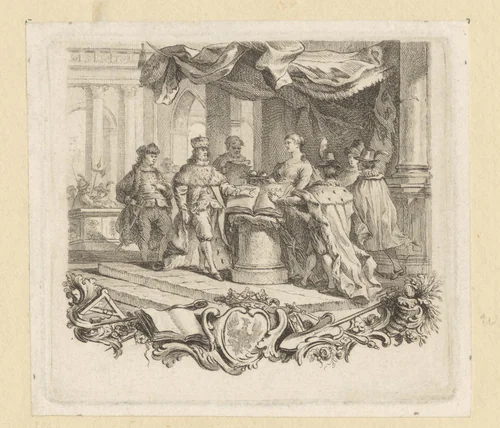
His true impact was felt through printmaking. In an era when stylistic trends spread primarily via engravings, Schmidt acted as a sophisticated conduit, successfully adapting the soft, luminous qualities of pastel painting into sharp, definitive lines suitable for reproduction. These high-quality prints allowed his work to circulate widely across Central Europe, cementing his influence.
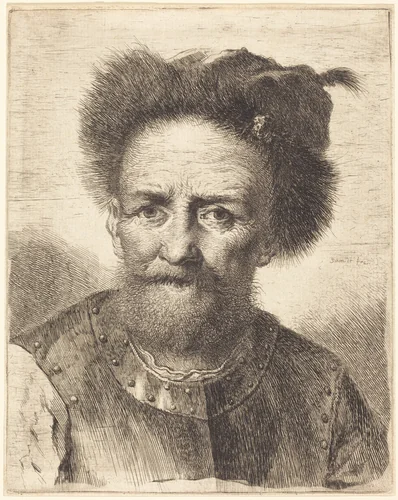
The enduring nature of his technical skill ensures that his prints remain desirable museum-quality items, held today by prestigious institutions including the Metropolitan Museum of Art, the Rijksmuseum, and the National Gallery of Art. It is perhaps the highest testament to the meticulous standards of 18th-century German printmaking that works like his study The Old Soldier are frequently available as downloadable artwork through global public domain initiatives, providing scholars and enthusiasts alike accessible views of Schmidt's exceptional craft.
Source: Wikipedia · CC BY-SA 4.0