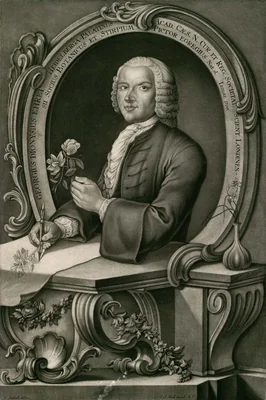
Georg Dionysius Ehret
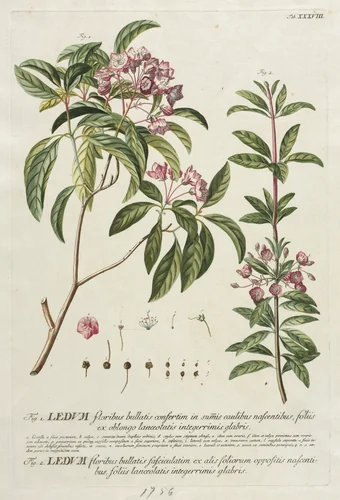
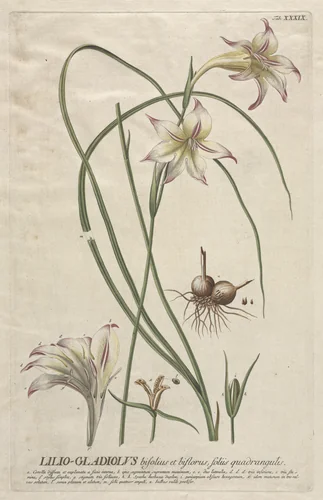
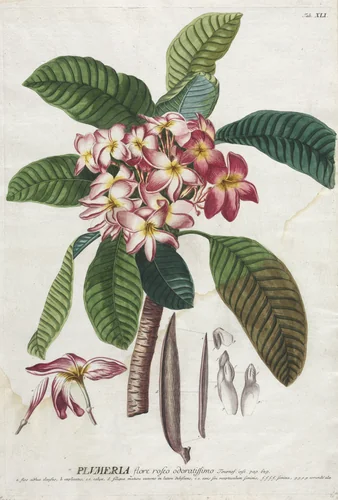
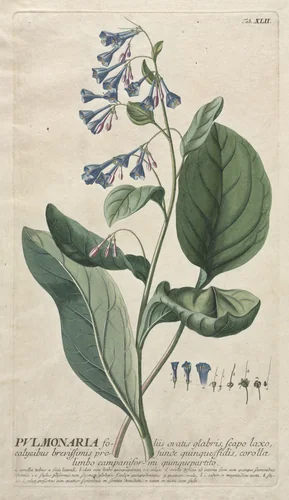
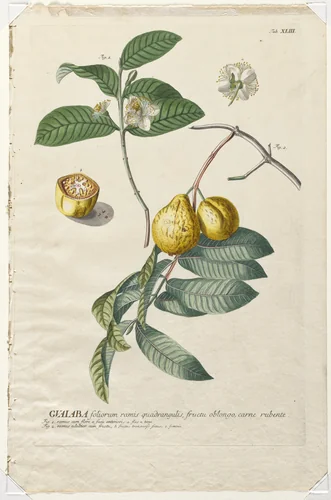
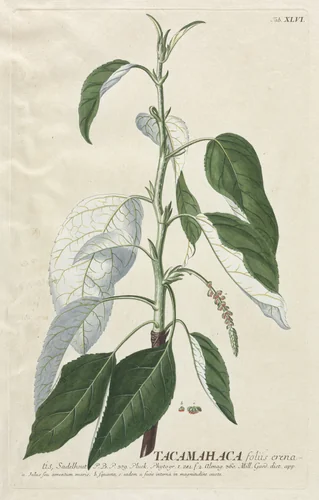
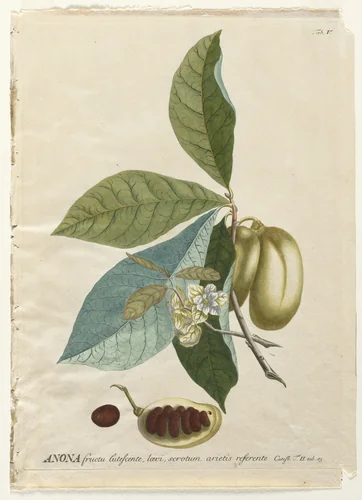
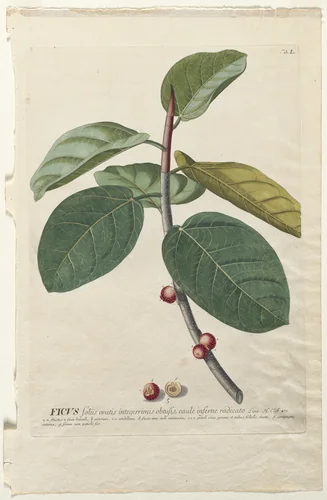
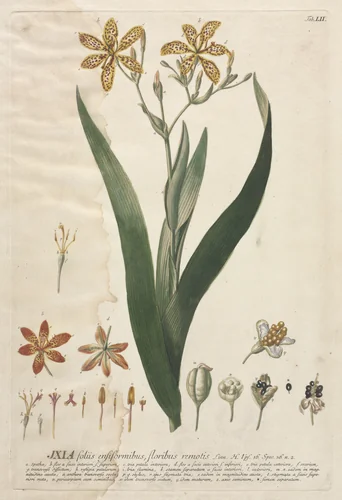
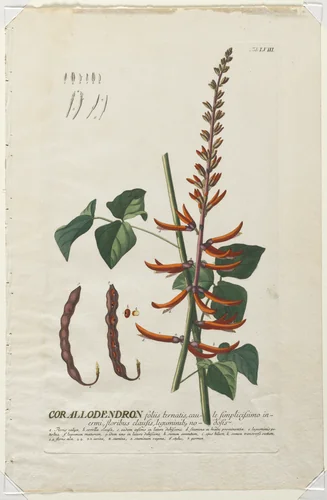
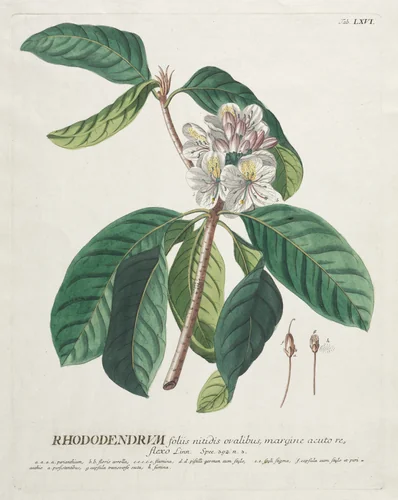
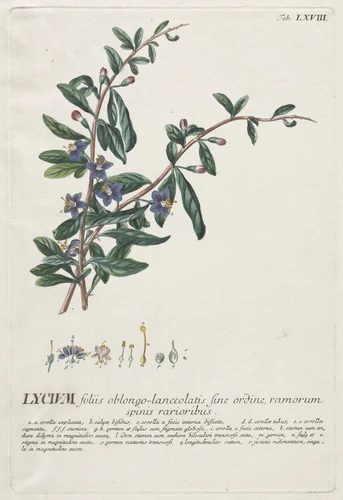
Georg Dionysius Ehret (1708-1770) stands as one of the preeminent scientific illustrators of the 18th century, a pivotal figure who bridged the Enlightenment's passion for global exploration with the necessity of visual documentation. Though trained primarily as a botanist and entomologist, his meticulous draftsmanship and precise handling of watercolor elevated his detailed studies far beyond mere diagrammatic representation, securing his place in art history. His active career, spanning roughly 1742 through 1773, coincided with the greatest international efforts to classify newly discovered flora.
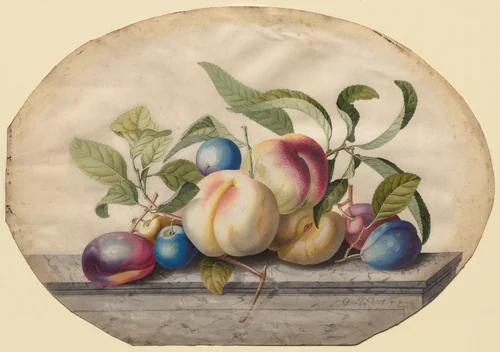
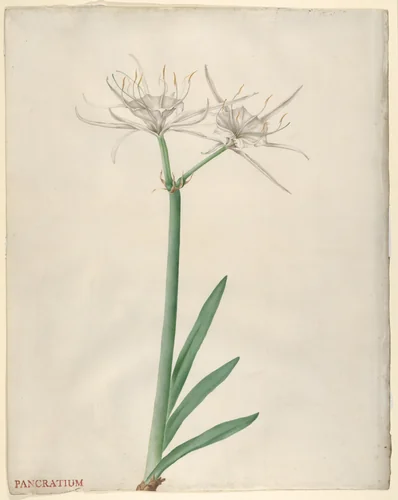
Ehret’s methodology was characterized by scientific rigor paired with aesthetic elegance. He mastered the rendering of complex biological structures, capturing not only the overall form of a specimen but the microscopic details necessary for formal taxonomy. This mastery is visible across his varied output, from the lush composition of Fruit Arrangement: Peaches and Plumbs on a Slab of Marble to the exotic clarity of Pancratium (American narcissus).
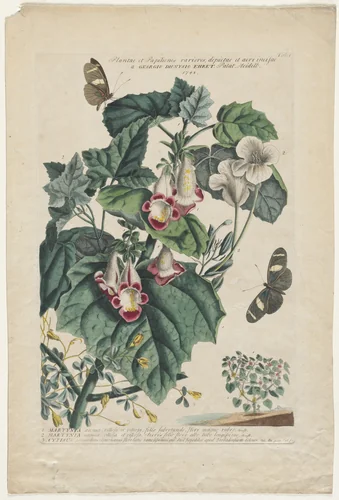
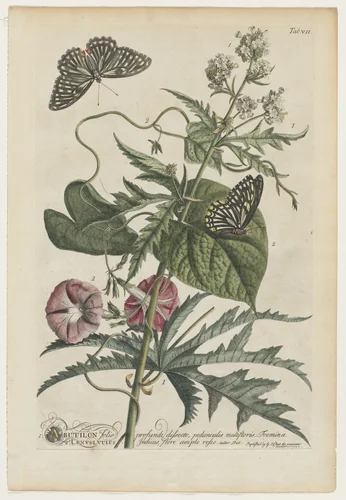
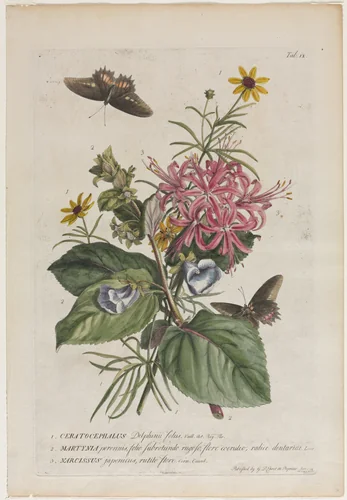
A significant portion of his output was dedicated to collaborative published volumes. The series Plantae et Papiliones rariores showcases his dual specialization, depicting both plant life and the butterflies associated with them, emphasizing the biological relationships inherent in the natural world. Works such as Plantae et Papiliones rariores: Martynia demonstrate his ability to illustrate specific life cycles with unparalleled accuracy. It is perhaps a wry footnote to the history of classification that the same artist who helped document the most exotic tropical discoveries also perfected the precise rendering of a common domestic plum.
Ehret’s illustrations fundamentally set the standard for museum-quality botanical art for succeeding generations. Today, his original drawings and high-quality prints are held in prestigious international institutions, including the Metropolitan Museum of Art and the Cleveland Museum of Art. Given the historical breadth of his contribution to published scientific works, many Georg Dionysius Ehret prints are now widely available as downloadable artwork through public domain collections, ensuring his contribution to both science and art remains immediately accessible.
Source: Wikipedia · CC BY-SA 4.0