Georg Anton Urlaub
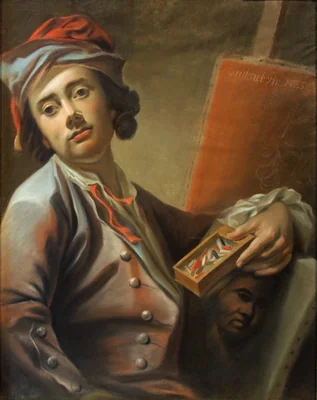
Georg Anton Urlaub (1713-1756) stands as a noteworthy exponent of the later German Baroque, occupying a critical position within the ecclesiastical and princely courts of Franconia. Active during a period defined by extravagant architectural and decorative investment in Southern Germany, Urlaub’s career was inextricably linked to the patronage of the prince bishop of Würzburg. This relationship ensured a consistent flow of major institutional commissions, allowing the artist to develop a prolific output that spanned formal secular portraiture and the comprehensive decorative schemes demanded by religious structures.
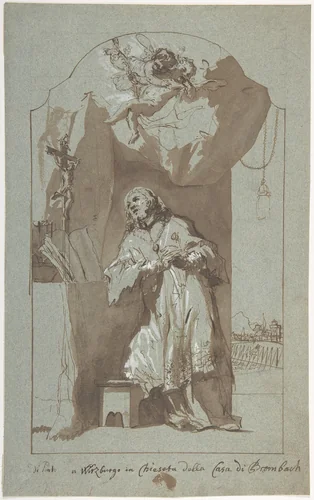
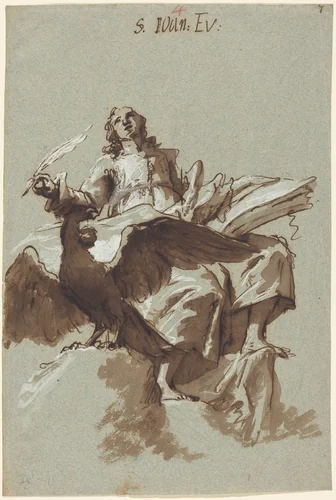
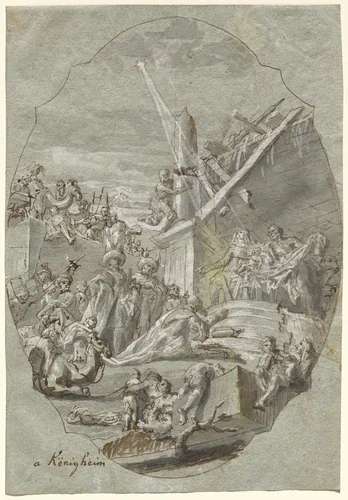
Urlaub excelled in devotional imagery, producing extensive frescoes and grand altarpieces designed to anchor the vast, light-filled interiors of churches across Lower Franconia. His style typically employed the dramatic chiaroscuro and saturated color palettes characteristic of the era, necessary to convey spiritual majesty in the overwhelming scale of Baroque architecture. The surviving corpus of his works, including seven key drawings held in American institutions such as the Metropolitan Museum of Art and the National Gallery of Art, provides crucial insight into his methodical preparatory process.
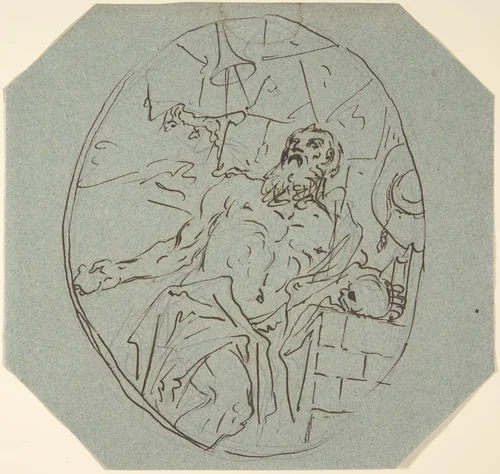
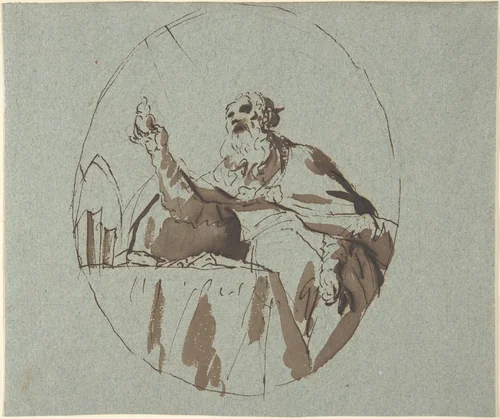
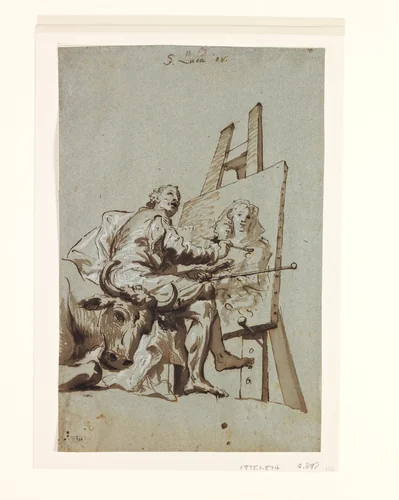
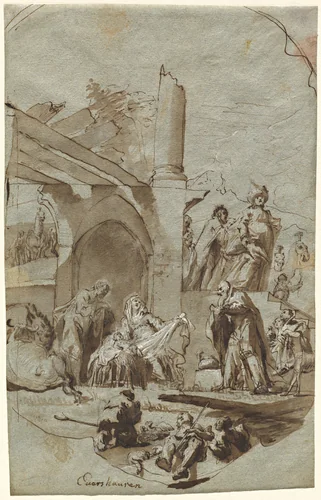
These studies, which often focused on single figures or complex narrative groups, reveal an artist committed to anatomical precision and expressive gesture. Works dedicated to individual figures, such as Saint Augustus and Saint Jerome, required the kind of careful draughtsmanship essential for a master working in the challenging fresco medium. Furthermore, the thematic scope of Georg Anton Urlaub paintings, from detailed compositions like The Adoration of the Magi to instructional scenes like Saint Luke Painting the Virgin, demonstrates his ability to manage classical iconography with technical skill.
Perhaps it is a testament to the sheer scale of the 18th-century Baroque building boom that an artist could maintain such a high-demand career essentially dedicated to elevating saints into the heavenly spotlight. His localized impact on the visual culture of Franconia remains profound. Though many of the originals reside permanently in major museums or their original architectural settings, the detailed preparatory drawings and select Georg Anton Urlaub prints are increasingly available through major institutional initiatives dedicated to providing high-quality prints and downloadable artwork to the public domain. His lasting presence in established collections confirms his status as a key figure in regional German Baroque art.
Source: Wikipedia · CC BY-SA 4.0