Gaston Lachaise
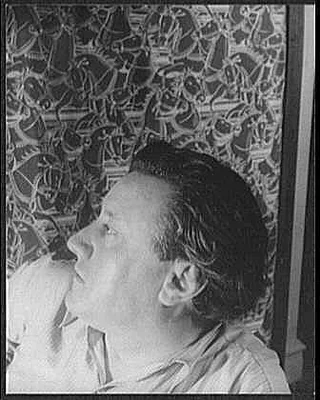
Gaston Lachaise (1882-1935) stands among the key figures who defined modern figurative sculpture in the United States during the early 20th century. Though born in Paris and formally trained in the fundamentals of classical European sculpture, it was after his emigration to North America that his highly personal, robust, and heroic vision of the female form achieved its full, startling expression.
Lachaise arrived in America having followed Isabel Dutaud Nagle, an older American woman whom he had met and fallen in love with while still a student. This profound personal connection provided the lifelong inspiration for his output. Critically, the move coincided with Lachaise’s own emerging artistic maturity. He became deeply impressed by the energy and expansive promise of his adopted country, experiences that crystallized his dedication to depicting vitality through the monumental nude.
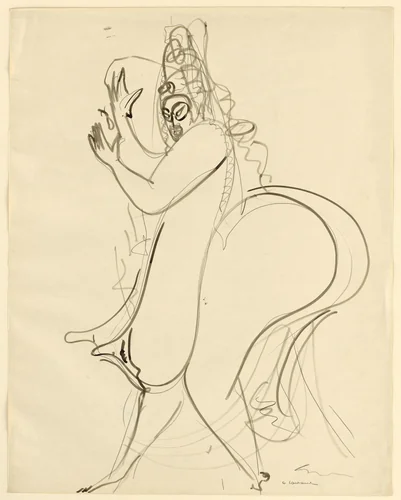
His work is characterized by an almost mythic scale and an emphasis on the sheer physical presence of the body. Far from the idealized, slender figures often associated with earlier French academic training, Lachaise created women of emphatic volume and weight, perhaps best exemplified by his archetypal bronze, Standing Woman. These figures are neither strictly portraits nor allegories, but embodiments of primal, life-affirming strength. Lachaise sought to redefine the female body in a powerful new idiom, celebrating a monumental femininity that simultaneously suggests natural forces and profound maternal strength.
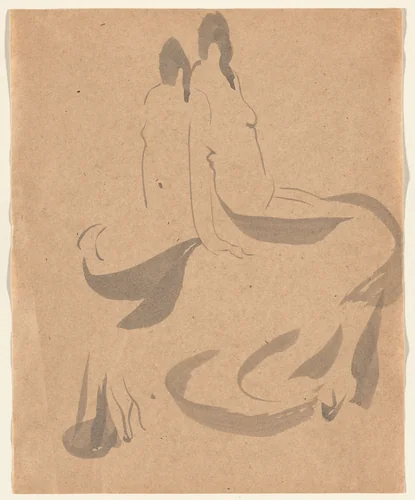
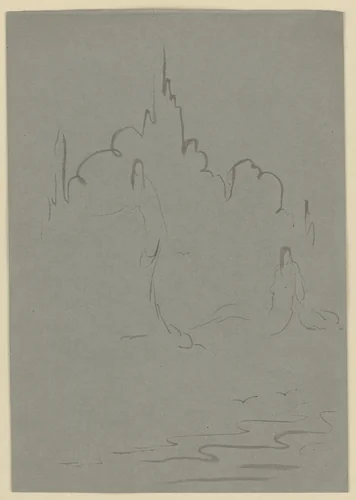
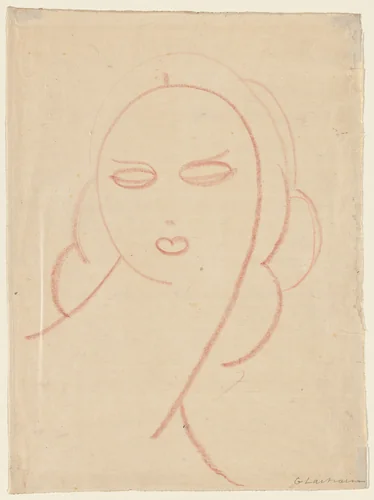
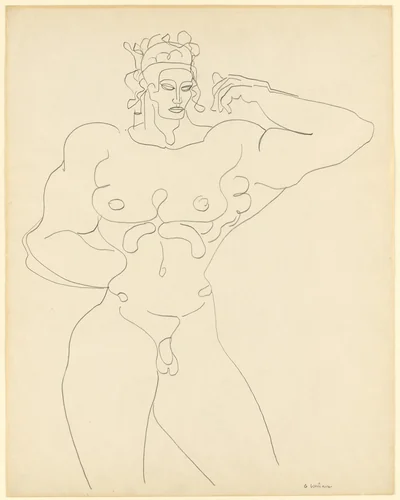
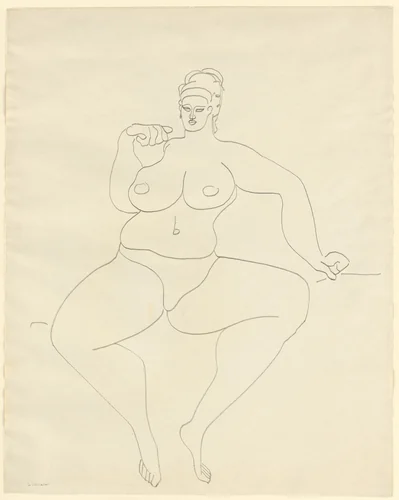
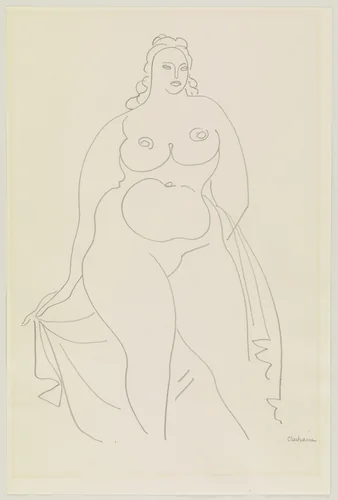
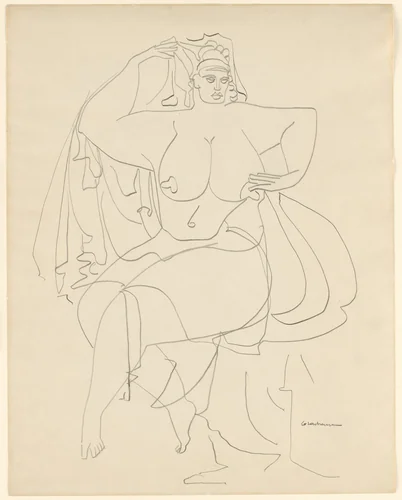
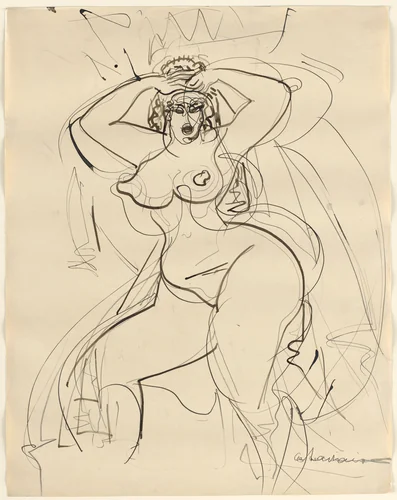
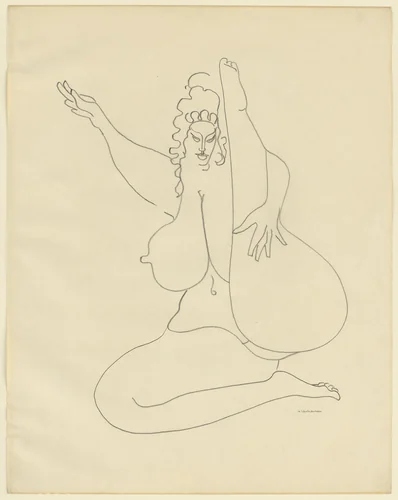
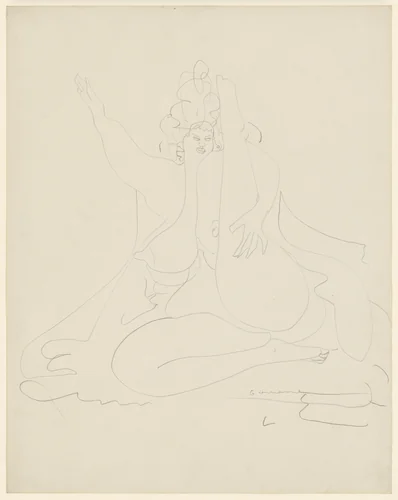
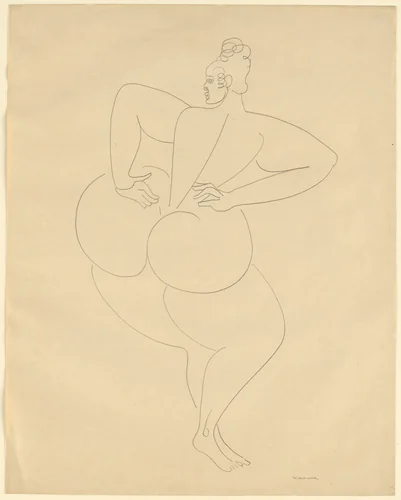
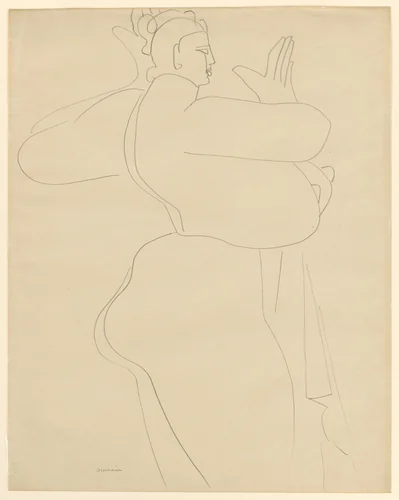
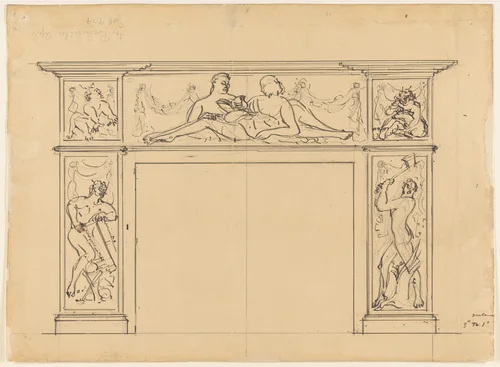
While best known for his bronze statuary, Lachaise also maintained a remarkably prolific practice in two dimensions. Unlike preparatory sketches, his drawings, which include works such as Two Figures and Woman's Head, were often created as finished works independent of his sculptural projects. These graphic works exemplify the same sophisticated understanding of volume and line that defined his three-dimensional objects. Today, these seminal works remain central to modern American collections, including the Museum of Modern Art. Scholars and enthusiasts frequently seek out high-quality prints of Lachaise's drawings, many of which are now available in the public domain, ensuring wider access to the draughtsmanship that complemented his groundbreaking sculptural legacy.
Source: Wikipedia · CC BY-SA 4.0