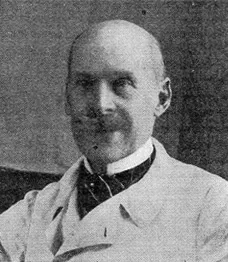
Gaston La Touche
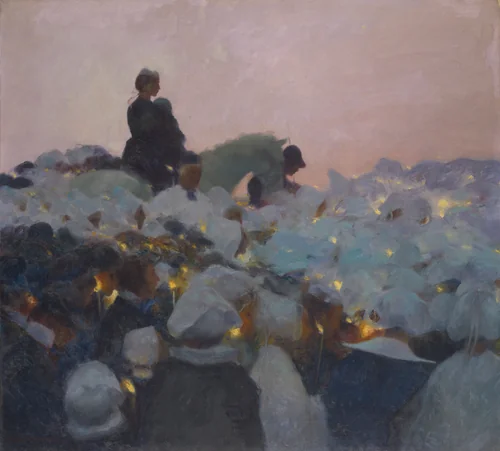
Gaston La Touche (1854-1913), also known as de La Touche, was an immensely adaptable French artist whose extensive career synthesized painting, illustration, engraving, and sculpture. While he later achieved considerable fame for his luminous, often Rococo-inspired genre scenes and figurative Gaston La Touche paintings, his foundational technical rigor was established early through his disciplined output as a graphic artist.
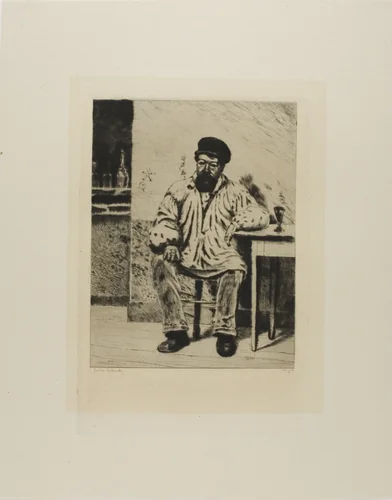
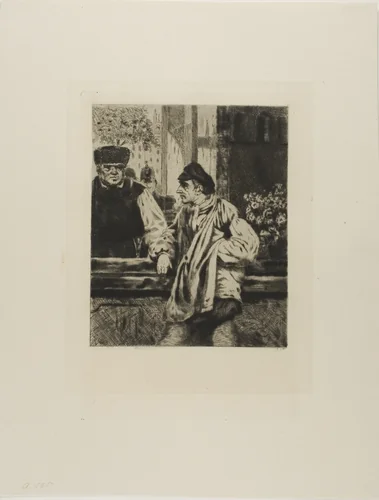
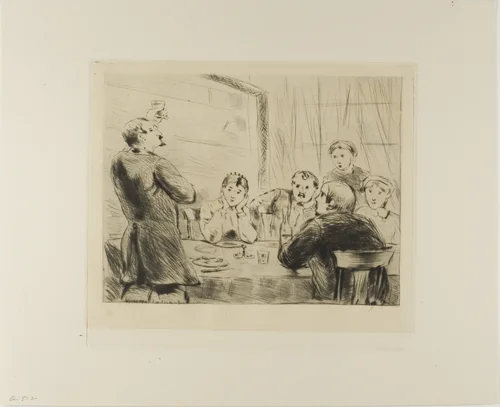
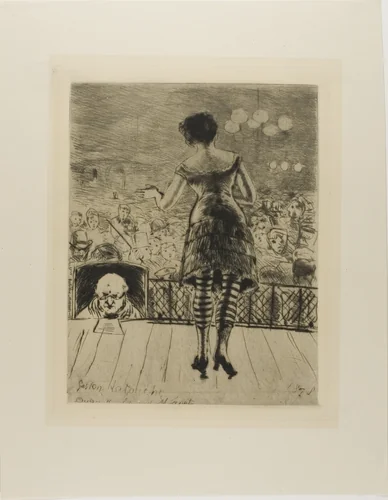
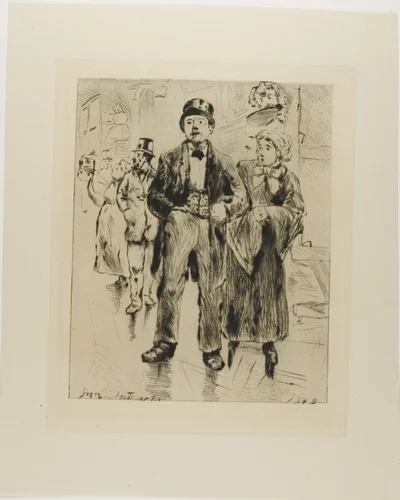
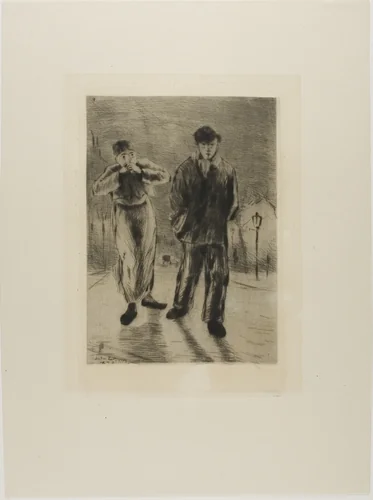
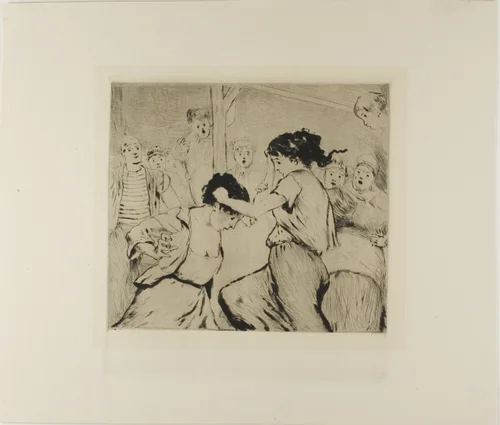
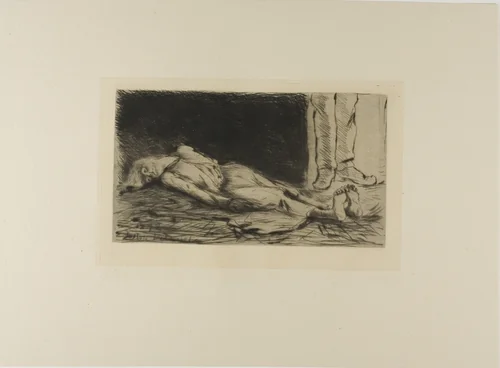
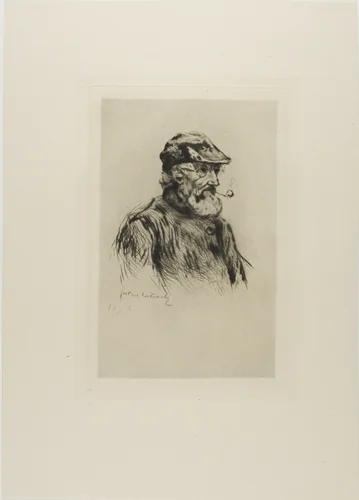
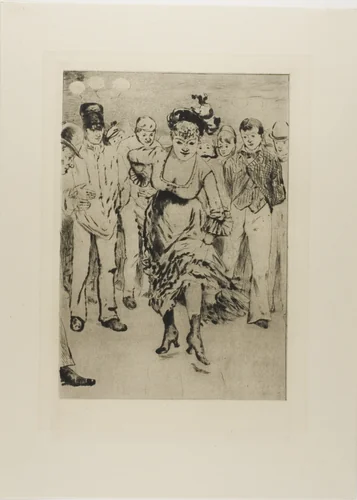
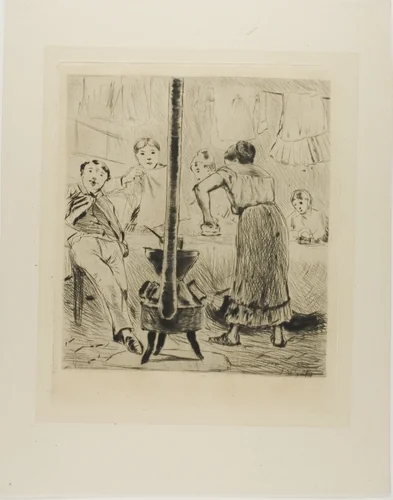
A particularly focused period of his productivity occurred between 1878 and 1879. During this brief but intense moment, La Touche produced an important body of approximately fifteen prints, several of which demonstrate his engagement with contemporary French literary currents. This printmaking burst includes several pivotal plates created to illustrate Émile Zola’s Naturalist masterpiece, L’Assommoir (The Dram Shop).
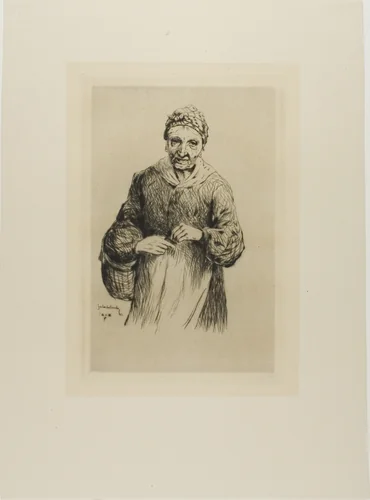
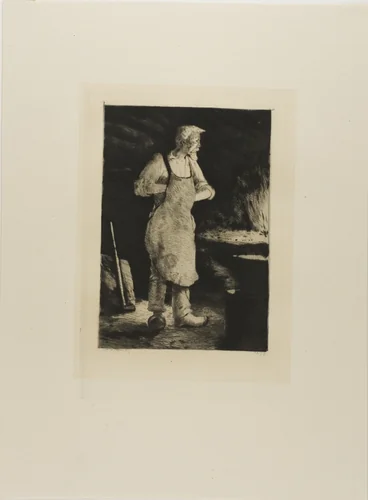
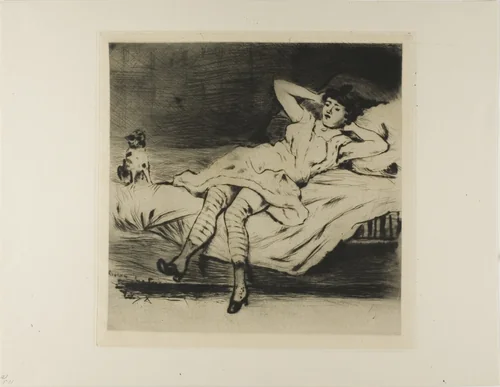
Unlike the decadent glow of his subsequent canvases, these engravings plunge the viewer directly into the stark, demanding reality of working-class Parisian life. Works such as Plate from l'Assommoir (blacksmith) and the evocative Old Woman with Basket function as powerful social documents, offering unflinching character studies captured through the meticulous, linear style demanded by the engraving process. La Touche’s commitment to narrative drama, however, was never wholly suppressed, subtly introducing a signature energy even in the quieter studies, like the Plate from l'Assommoir (dancer reclining on bed, with cat). It remains a curious early glimpse into an artist later celebrated for fin-de-siècle glamour, revealing a pragmatic artistic mind capable of shifting emotional and technical registers dramatically when demanded by the subject matter.
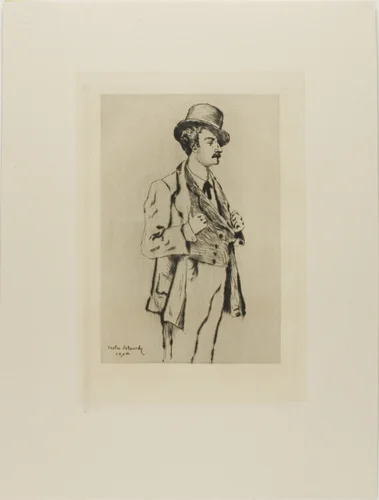
Although printmaking occupied only a narrow segment of his decades-long career, these early Gaston La Touche prints are essential to charting his technical mastery. Today, select examples of his graphic work are held in major American repositories, including the Art Institute of Chicago. Their historical importance ensures their continued scholarly relevance, and many are now classified within the public domain, offering museum-quality reproductions and high-quality prints for researchers and collectors seeking downloadable artwork.
Source: Wikipedia · CC BY-SA 4.0