Gaspar de Crayer
Gaspar de Crayer occupied a pivotal and prolific position in 17th-century Flemish painting. Active across the principal cities of Flanders, he secured his status as a leading figure of the Catholic Restoration not only through the sheer volume of his output, but through official patronage. He served as court painter to the successive Spanish governors of the Southern Netherlands, an appointment that cemented his role as an institutional artist working at the highest level of government and religious authority.
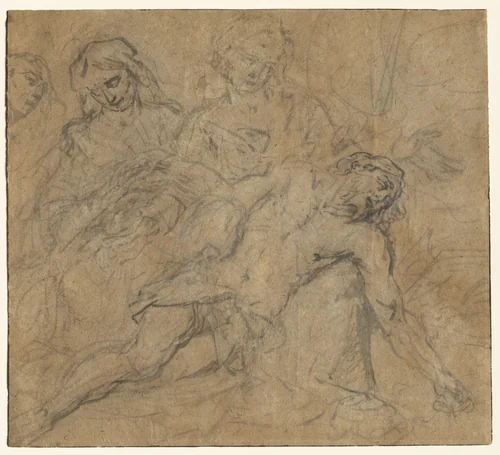
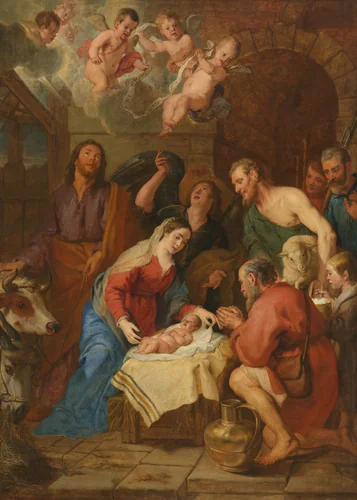
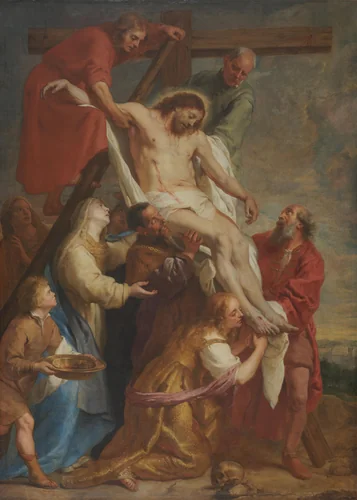
De Crayer’s chief historical importance lies in his adept ability to disseminate the powerful visual language established by Peter Paul Rubens. His career essentially institutionalized the Rubensian aesthetic, ensuring its spread and longevity throughout the region. His monumental production was overwhelmingly dedicated to the needs of the Counter-Reformation church. Large-scale altarpieces, such as The Lamentation and the spiritually vibrant The Adoration of the Shepherds, exemplify the emotive intensity and dramatic composition required by post-Tridentine theology. These Gaspar de Crayer paintings are characterized by dynamic staging, rich color, and forceful movement, translating the dramatic energy of the Antwerp Baroque into the established visual vocabulary for religious institutions across the Low Countries.
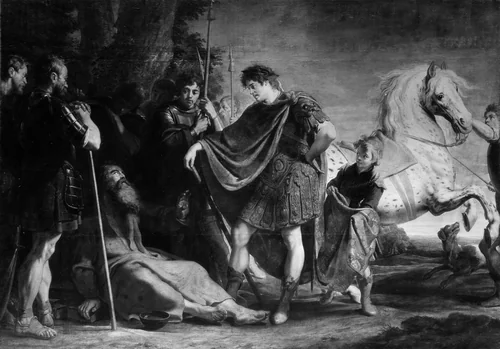
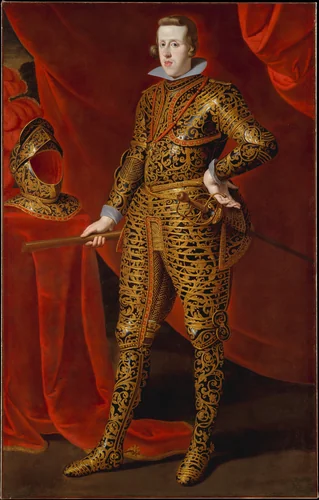
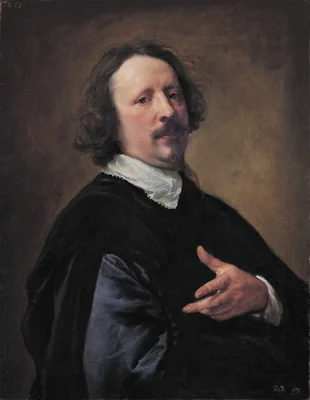
De Crayer was equally skilled in the exacting genre of official portraiture. His likenesses, such as Philip IV (1605–1665) in Parade Armor, balance regal authority with considerable painterly finesse. While De Crayer worked entirely within the orbit of Rubens’ genius, he maintained a distinctly polished manner, lending his figures a stately grace that often avoids the sheer physical exuberance of his master. His command of classical narrative is demonstrated in works outside of strictly devotional subjects, including The Meeting of Alexander the Great and Diogenes.
Today, De Crayer’s significant oeuvre is preserved in major international repositories, including the Rijksmuseum, the Metropolitan Museum of Art, and the Cleveland Museum of Art. Due to the age of the works, many important examples of his drawing and painting are now in the public domain. This accessibility allows institutions and enthusiasts to readily obtain downloadable artwork and produce high-quality prints for scholarship and appreciation. De Crayer’s legacy is defined by his indispensable role in defining and maintaining the visual culture of the Baroque period in the Southern Netherlands.
Source: Wikipedia · CC BY-SA 4.0