Gaspar Bouttats
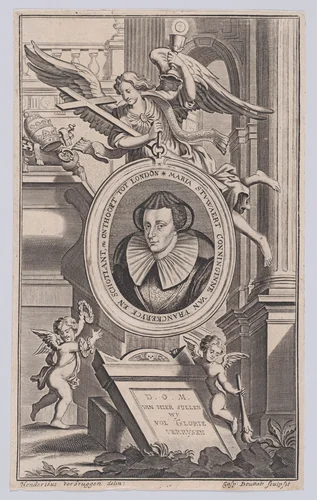
Gaspar Bouttats the Elder, a distinguished Flemish graphic artist, was a highly productive printmaker and engraver operating during the Baroque period, with his active years spanning approximately 1660 to 1690. As a professional documentarian in copper, Bouttats contributed significantly to the dissemination of visual information across 17th-century Europe, establishing himself as a key figure in the Flemish print tradition. His surviving body of work, comprising at least twelve recorded prints, is indicative of the importance he held in his field, with examples housed in prestigious institutions such as the Rijksmuseum and the Metropolitan Museum of Art.
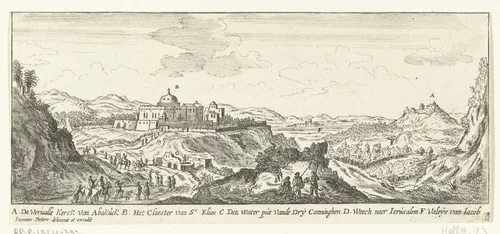
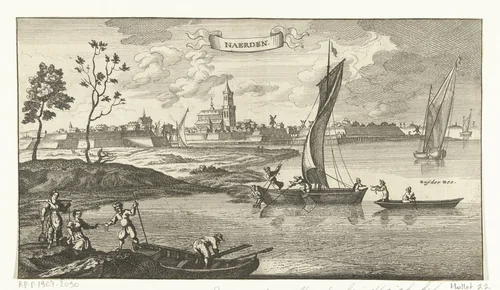
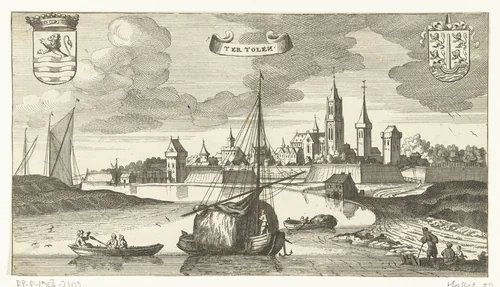
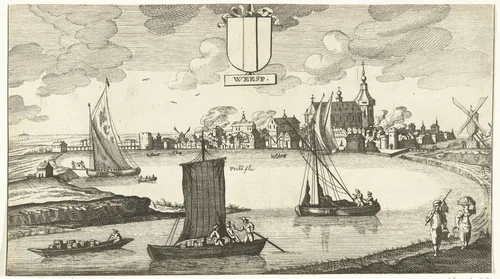
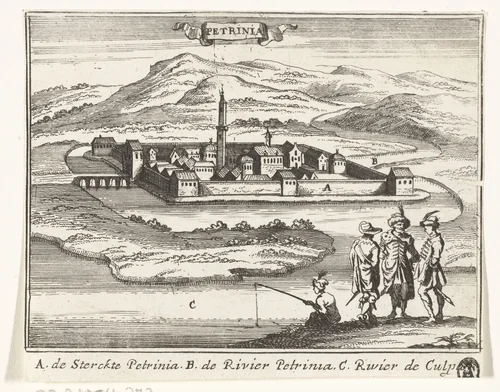
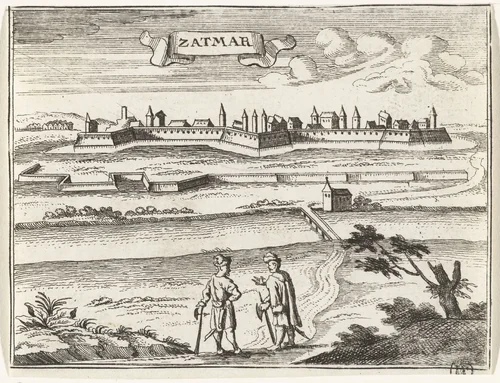
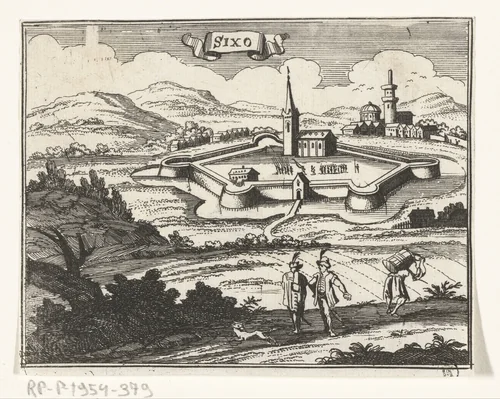
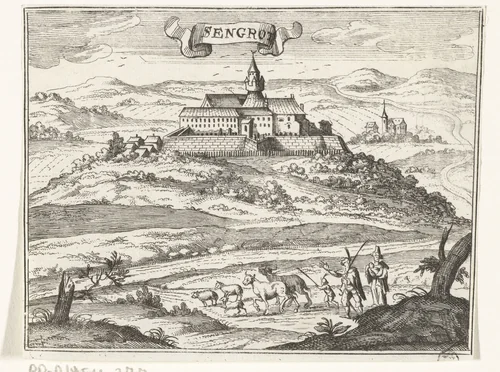
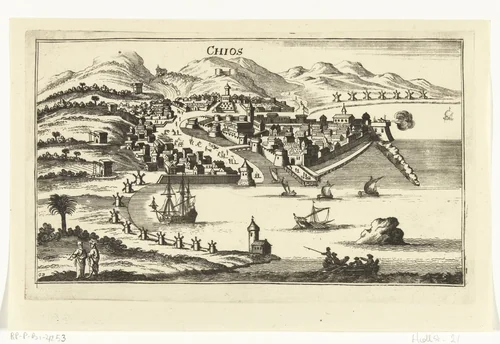
Bouttats’s commissions varied widely, but he excelled particularly in topographical renderings and ceremonial documentation. His technical mastery of the etching and engraving processes allowed for the creation of exceptionally detailed, museum-quality records of European urban centers and events. Specific topographical works, such as the precise city views Gezicht op Naarden, Gezicht op Tholen, and Gezicht op Weesp, functioned as crucial visual resources. These prints did not merely serve an aesthetic purpose; they acted as accurate, reproducible maps and architectural surveys, allowing distant audiences to experience the specific configurations of these locales.
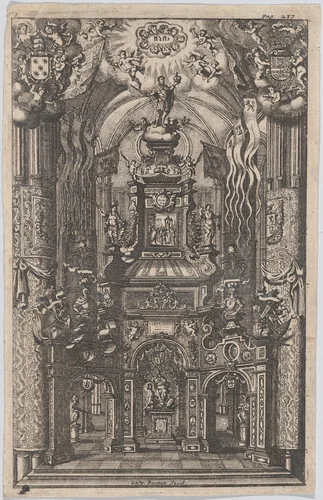
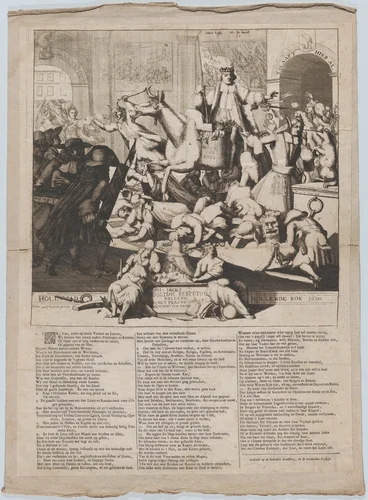
A separate, yet equally demanding, facet of his output involved capturing high-stakes state documentation. The print Catafalque for Ferdinand, drawn from an unidentified publication, demonstrates Bouttats’s skill in rendering the elaborate, symbolic architecture of temporary funeral installations. Capturing such complex, temporary structures required not just artistic vision, but also remarkable speed and absolute accuracy, confirming his status as a highly sought-after professional illustrator. Interestingly, while he produced countless engravings documenting elaborate state funerals and public works, there is little evidence suggesting he ever produced anything resembling a catalog of Gaspar Bouttats paintings, underscoring his specialized commitment to the reproductive power of the copper plate.
The enduring clarity and detail within his surviving works ensure their continued relevance to scholars studying the visual culture of the period. Today, many of these historical Gaspar Bouttats prints reside within the public domain. This status makes the intricate details of his 17th-century Flemish engraving tradition highly accessible, allowing for their easy availability as downloadable artwork and high-quality prints for contemporary research and appreciation.
Source: Wikipedia · CC BY-SA 4.0