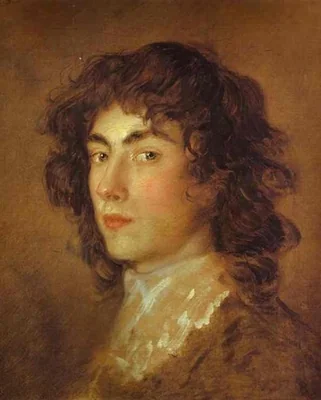
Gainsborough Dupont
Gainsborough Dupont (active 1755-1788) holds a significant, if often overshadowed, position in the lineage of late eighteenth-century British portraiture. Known primarily as the nephew and formal pupil of Thomas Gainsborough, R.A., Dupont’s relatively short independent career was inextricably linked to the towering figure of his uncle. This familial connection placed him directly within the most influential artistic circles of the age, granting him immediate access to high-profile commissions and ensuring a technical foundation rooted in the lyrical elegance of the Gainsborough school.
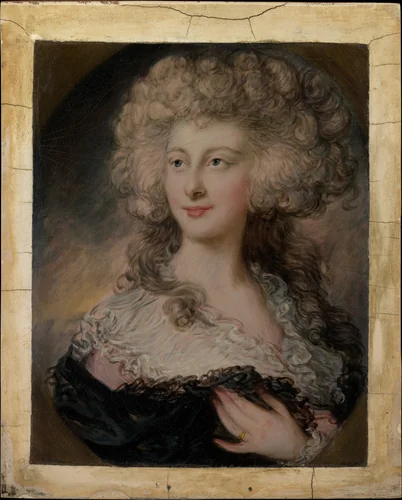
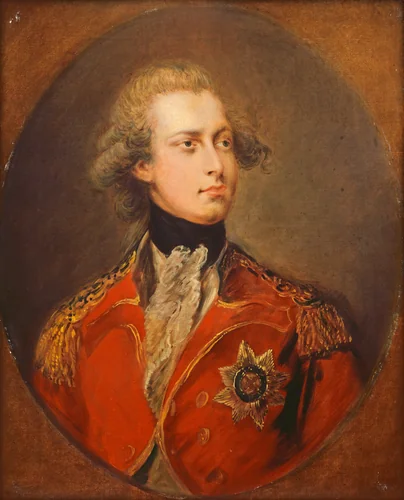
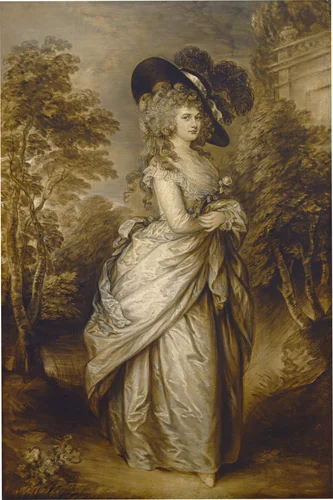
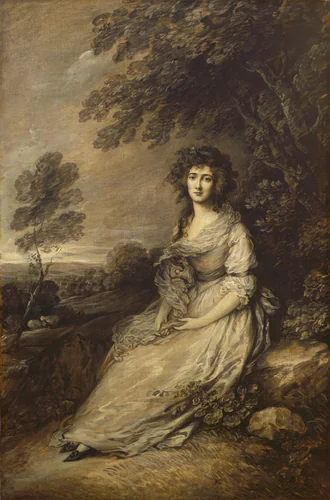
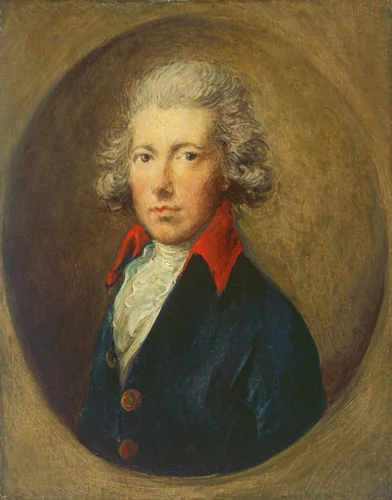
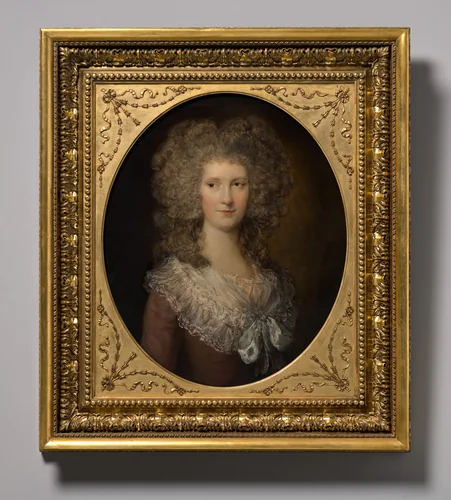
Dupont worked proficiently across multiple media, moving between grand oil painting, delicate drawing, and the crucial reproductive work of printmaking. His extant body of work, though concentrated, includes key portraits of the British aristocracy and emerging royalty. He successfully captured luminaries such as Georgiana, Duchess of Devonshire, and the future King, George IV as Prince of Wales, commissions which underscore his recognized skill in rendering fashionable society. Furthermore, his portrait of Anne Elizabeth Cholmley (1769–1788), Later Lady Mulgrave, exemplifies his clear-eyed approach to aristocratic femininity.
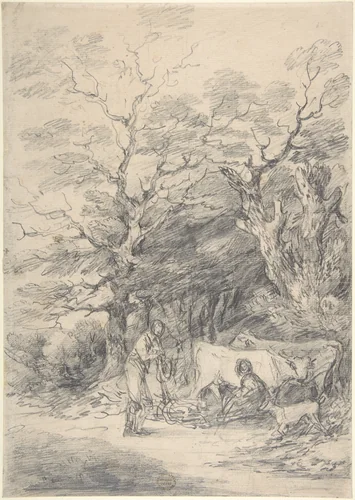
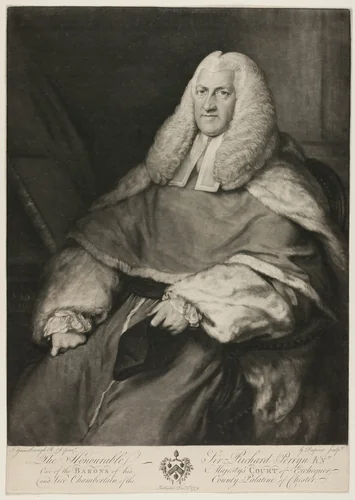
A critical aspect of Dupont's output involves preparatory studies, such as the initial drawing Landscape with cattle and figures; sketch for the Rustic Courtship. These sketches and studies highlight the discipline he inherited, demonstrating his thorough process prior to finalizing his Gainsborough Dupont paintings. His proficiency also extended to graphics, securing his inclusion in the history of British printmaking, evidenced by the production of Gainsborough Dupont prints.
Dupont operated under the immense pressure of his predecessor’s shadow, finding himself in the demanding position of having to replicate the master's style while simultaneously managing original major commissions. That he maintained a distinct, highly competent practice capable of attracting the era’s most notable subjects speaks volumes about his own capability. Today, his limited but important corpus is housed in major repositories, including the Metropolitan Museum of Art and the National Gallery of Art. These museum-quality works, reflecting the peak of Georgian-era artistry, are increasingly entering the public domain, making high-quality prints and downloadable artwork widely available for study.
Source: Wikipedia · CC BY-SA 4.0