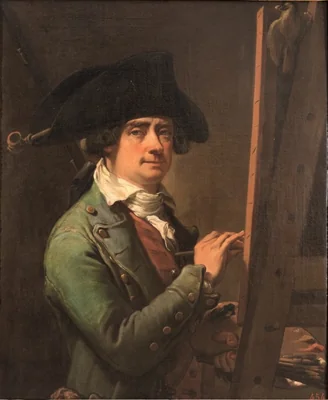
Gaetano Gandolfi
Gaetano Gandolfi (1720–1785) stands as one of the pivotal figures of the Italian late Baroque period, primarily centered in Bologna. Active across painting, drawing, and sculpture, he navigated the stylistic transition toward Neoclassicism without sacrificing the characteristic drama and vivacity of the preceding era. His proficiency extended across media, making him equally adept as a painter on canvas, a master of fresco, and a highly meticulous draughtsman.
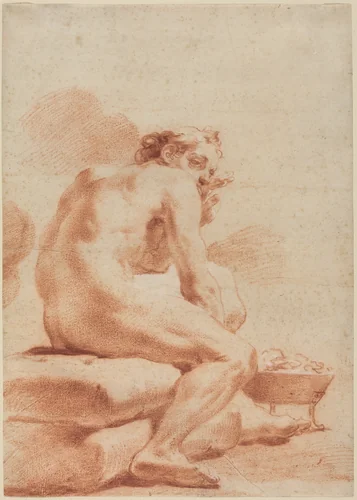
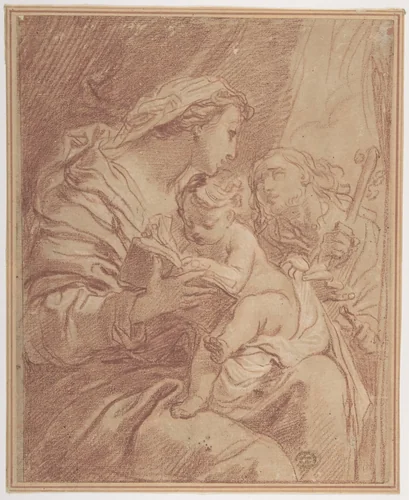
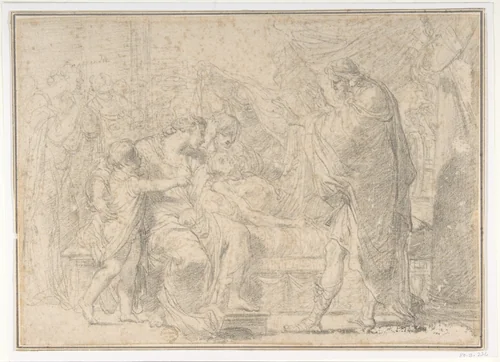
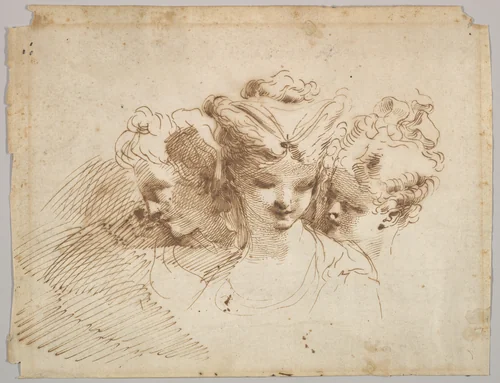
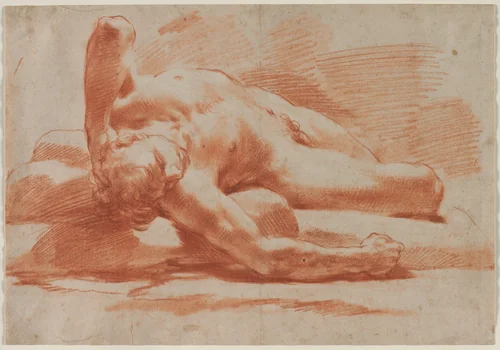
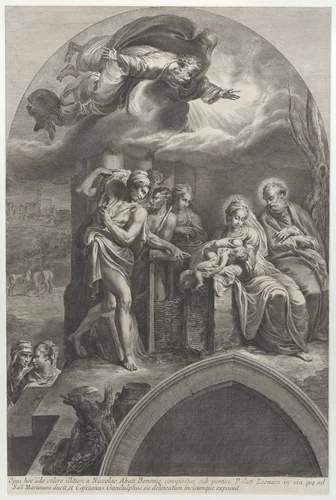
Gandolfi’s thematic range was notably expansive, encompassing elaborate biblical narratives, complex mythological compositions, and striking allegories. He secured particular renown for his sensitive portraiture and his masterful execution of the nude form. Alongside his older brother, Ubaldo Gandolfi, Gaetano achieved a leading artistic reputation in eighteenth-century Italy. This acclaim was built upon the superlative quality of their production, which secured numerous major commissions from aristocratic courts across Europe, signaling the widespread international demand for their vibrant Bolognese style. The artist's surviving body of work, comprising numerous drawings and prints, is housed in major international institutions, including the Rijksmuseum, the Metropolitan Museum of Art, and the Art Institute of Chicago.
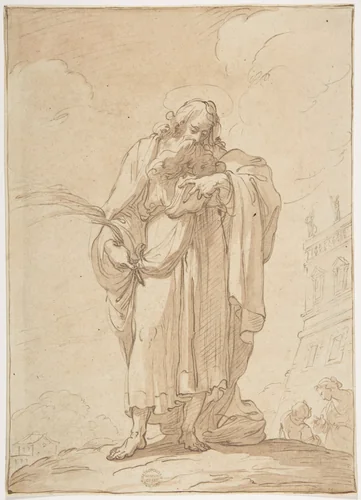
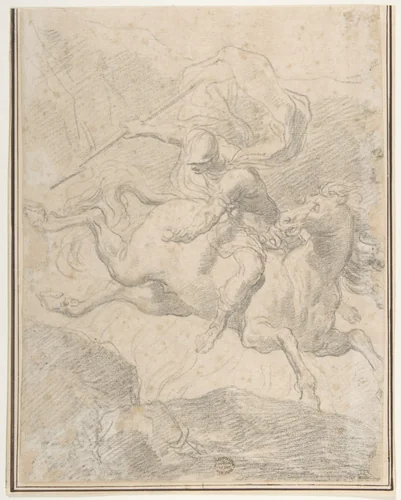
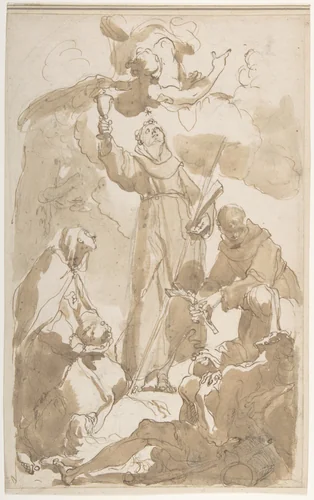
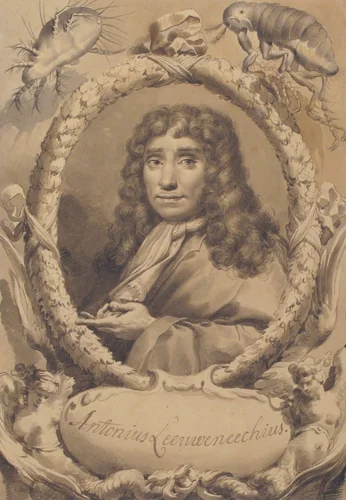
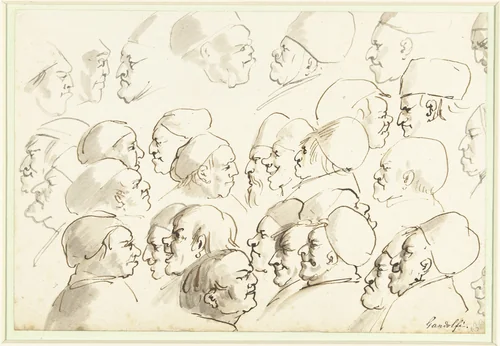
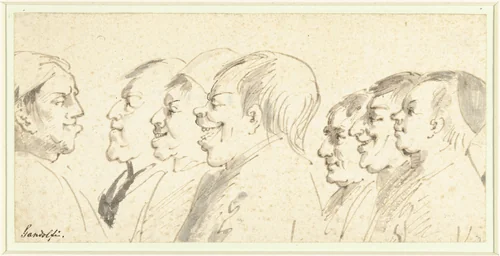
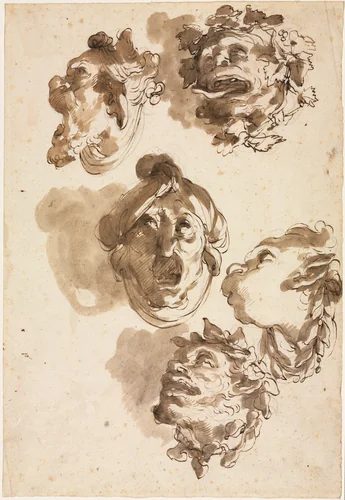
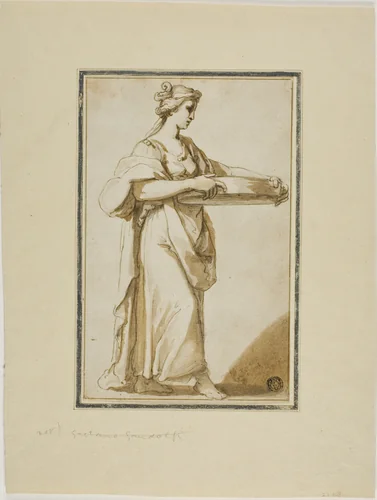
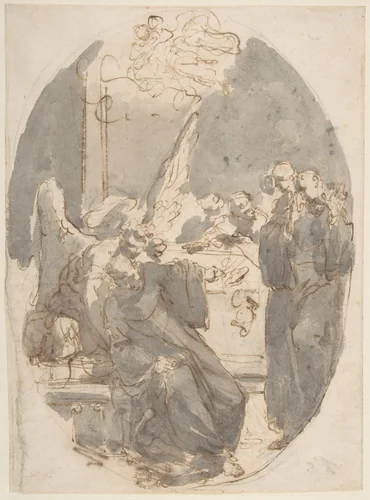
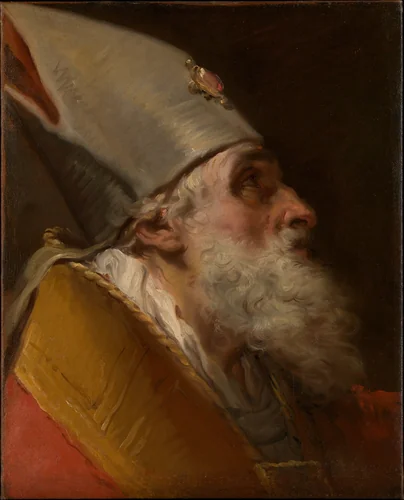
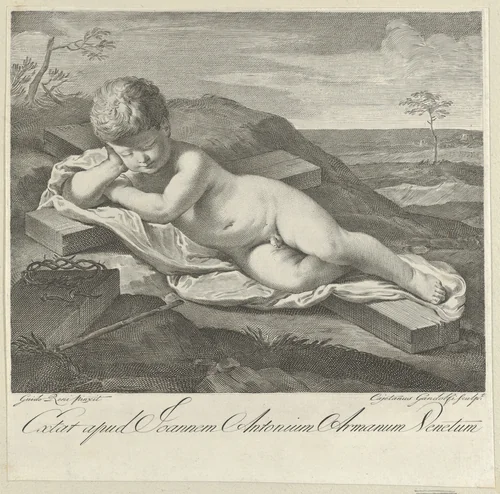
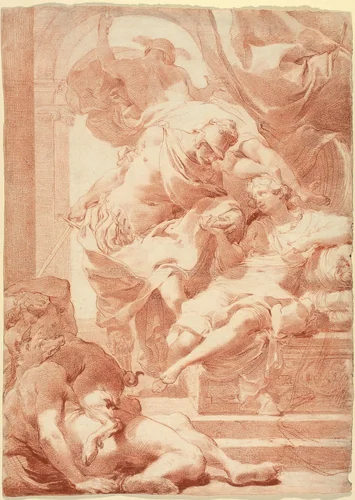
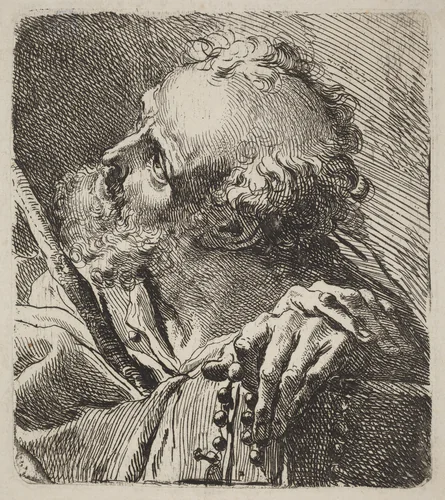
The works attributed to Gaetano Gandolfi, such as the dynamically posed Marcus Curtius Leaping into the Chasm or the highly specific portrait study of The Dutch Microscopist Anton van Leeuwenhoek, confirm his capacity to handle both grand historical drama and intimate observational studies. Given his remarkable productivity, many contemporary scholars consider his preparatory studies his most enduring contribution; the immediate energy and fluid draftsmanship captured in these high-quality drawings often surpass the finished Gaetano Gandolfi paintings.
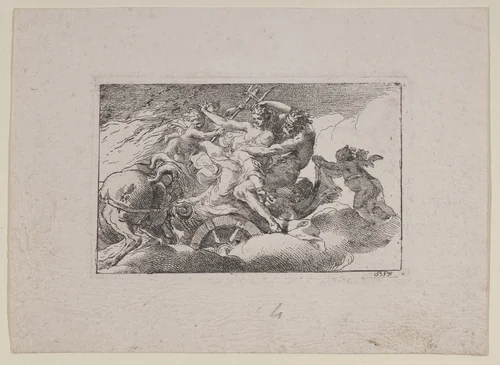
Today, the enduring interest in Gandolfi’s technical versatility means his work is frequently studied and disseminated globally. Recognizing this demand for museum-quality reproductions, many of his works, including various Gaetano Gandolfi prints and downloadable artwork, are now available through public domain initiatives, ensuring that this important eighteenth-century master remains fully accessible to modern scholarship and collectors.
Source: Wikipedia · CC BY-SA 4.0