Gabriël Metsu
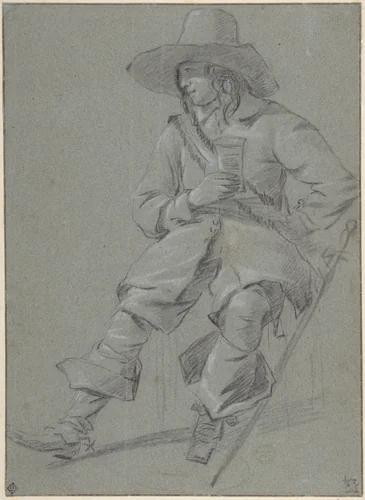
Gabriël Metsu (1629–1667) stands as one of the most sophisticated and influential genre painters of the Dutch Golden Age. Although active for a relatively short period, approximately 1642 to 1661, Metsu was profoundly versatile, contributing significantly to history painting, still life, portraiture, and, most famously, intimate domestic scenes.
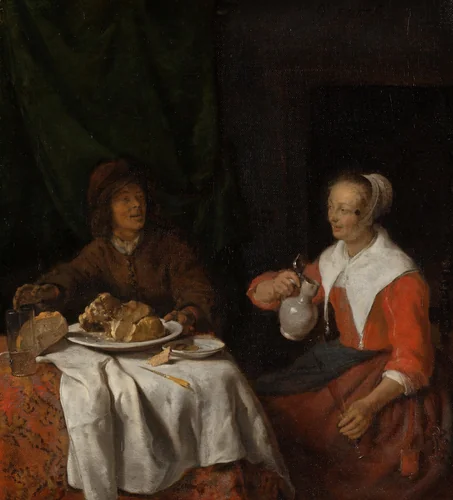
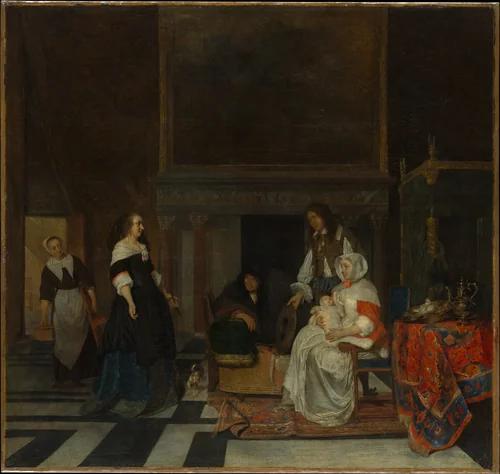
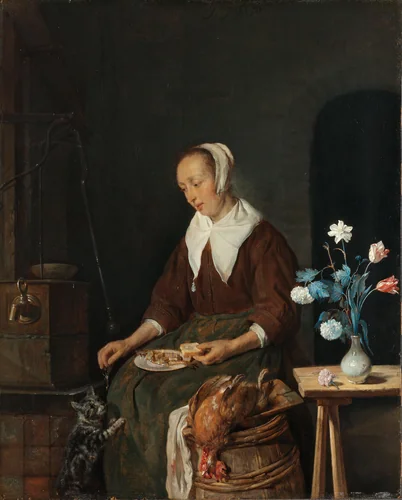
Metsu’s mature style is characterized by the exquisite refinement associated with the Leiden fijnschilder tradition. He possessed a remarkable ability to capture subtle textures and complex lighting effects, elevating everyday interactions into highly polished pictorial narratives. His works often focus on moments of quiet leisure, courtship, and domestic intrigue, where detailed settings, visible in paintings such as Man and Woman at the Breakfast Table, provide rich context for the human drama unfolding.
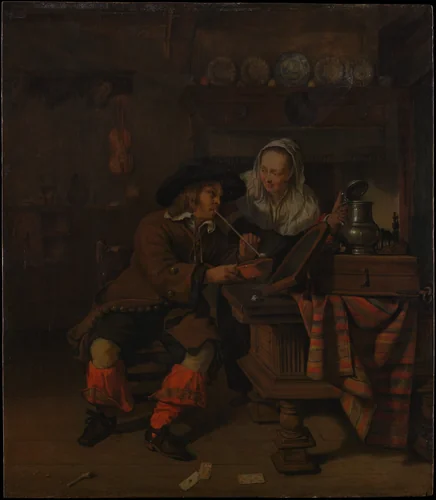
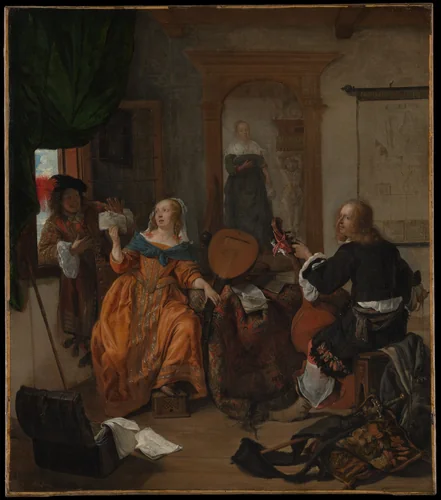
Metsu was, however, "a highly eclectic artist," refusing to adhere to a consistent style or technique for extended periods. This stylistic restlessness and capacity to absorb and synthesize influences from contemporaries allowed him to produce a wide array of works, ranging from the boisterous energy of a Tavern Scene to the refined social commentary evident in A Musical Party. This refusal to be stylistically constrained is reflected in the scarcity of dated works; only 14 of his known output of 133 paintings bear a specific year, challenging art historians to precisely map his stylistic evolution.
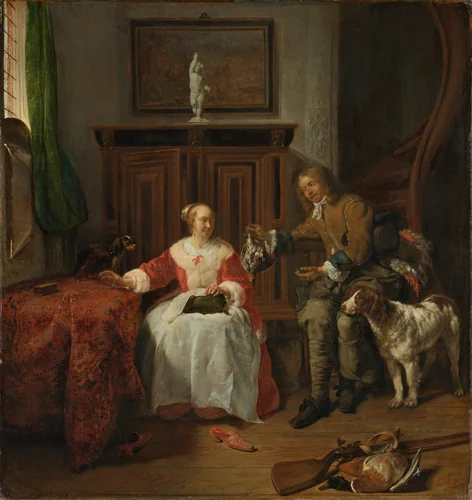
His contributions to the genre scene were crucial, often depicting layered interactions where subtle gestures convey complex emotional states. The popular appeal of his compositions, such as The Hunter’s Present, ensures his continued prominence in global collections. Despite his short career, tragically abbreviated when he died at age thirty-seven, his oeuvre demonstrates an artist reaching the height of his powers.
Today, Gabriël Metsu paintings are preserved as key treasures in international institutions, including the Metropolitan Museum of Art and the Rijksmuseum. For those studying his technical mastery, many works are in the public domain, allowing institutions to provide high-quality prints and downloadable artwork for educational and appreciation purposes.
Source: Wikipedia · CC BY-SA 4.0