G. W. Foster
George Washington Foster Jr. holds a significant place in American architectural history as a pioneering professional whose career spanned the transition from the 19th to the early 20th century. He was among the first African-American architects to receive state licensure, achieving this milestone in New Jersey in 1908. He later secured a license in New York State in 1916, confirming his dual credentials across major metropolitan regions.
Foster’s most influential work occurred during his productive partnership with Vertner Woodson Tandy (1885–1949), the first African-American architect licensed by the State of New York. The firm of Tandy and Foster operated between 1908 and 1914. This collaboration was remarkable not only for its historical rarity, uniting two of the era’s most credentialed Black professionals, but for establishing a robust architectural practice in the face of significant industry barriers. Their work provided a crucial model for professional aspiration and high-quality design, demonstrating technical mastery across institutional and residential commissions in the Mid-Atlantic region.
While the specific documentation and design sketches detailing the full scope of the Tandy and Foster firm are still subject to ongoing academic study, the historical importance of Foster’s achievement remains indisputable. The systematic licensing of architects was a relatively new phenomenon in the early 20th century, and Foster's ability to navigate these institutional structures successfully, twice over, highlights a focused determination essential to his professional identity. It suggests a man who understood the strategic value of certification and partnership as tools for enduring practice.
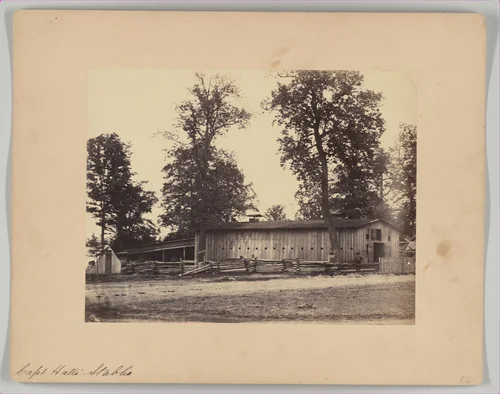
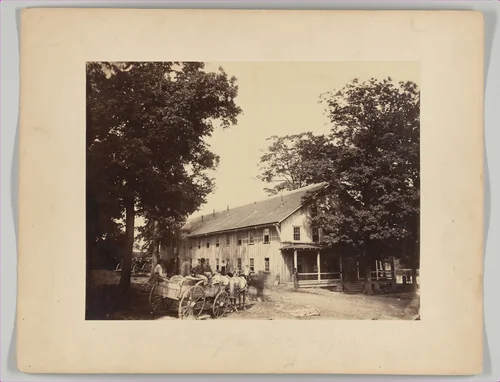
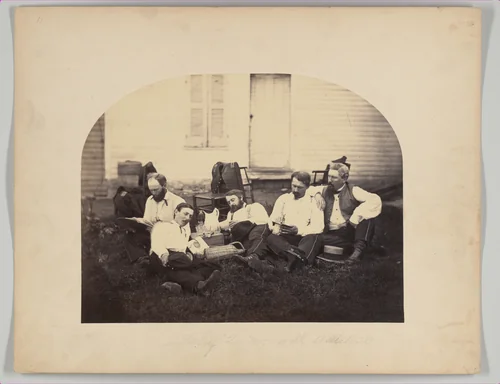
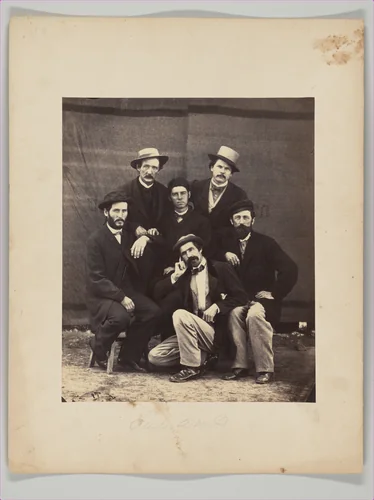
Foster’s contribution to the built environment, particularly his influence within the foundational years of modern professional architecture, solidifies his lasting impact. Today, those seeking to study his pioneering efforts can often find historical records and photographic documentation of his commissions. Such valuable resources, frequently available in the public domain, enable scholars and researchers to commission high-quality prints for close examination of the designs created by this influential early 20th-century architect.
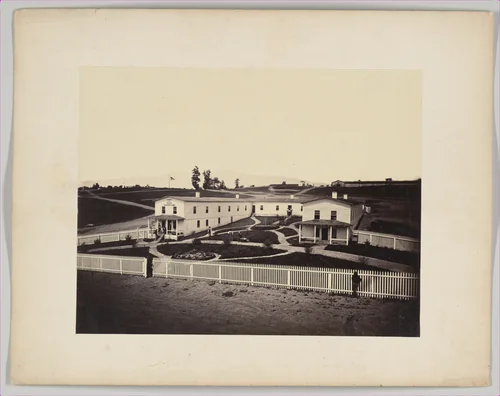
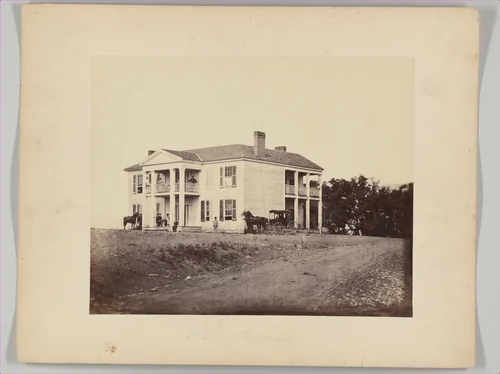
![[Self-Portrait[?] with Lens Board, Camp Nelson, Kentucky] by G. W. Foster, photograph, 1863-1864](https://img.artbee.org/092c7e07-7461-4a18-ad40-d8c385a568be/small.webp)