Friedrich Hagenauer
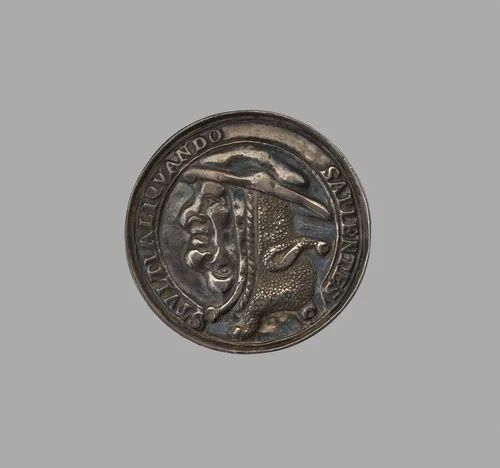
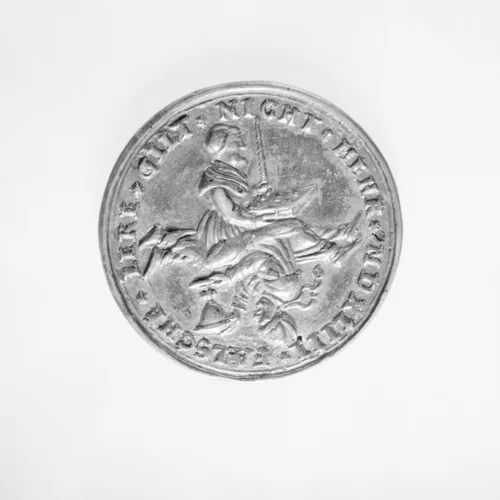
Friedrich Hagenauer, who flourished during the first half of the sixteenth century (circa 1500-1543), stands as a pivotal figure in the evolution of Renaissance medal-making, particularly known for translating the psychological intensity of Northern European portraiture into robust, small-scale bronze and silver metalworks. Active across the Holy Roman Empire, his medals served not merely as commemorative objects but as essential tools for documenting and distributing the likenesses of influential humanists, reformers, and nobility.
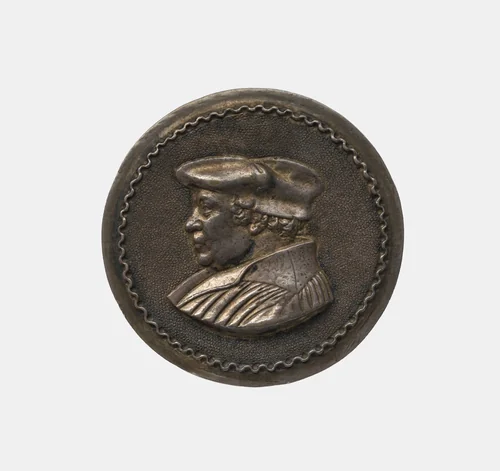
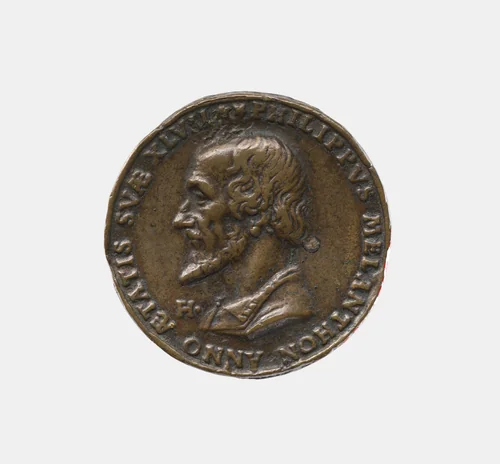
Hagenauer’s mastery lay in his ability to achieve profound relief and startling realism within the compact diameter of the medal form. His technique, characterized by sharp detailing in the costume and a penetrating gaze in the sitter, reveals a debt to both Italian Renaissance masters and Germanic graphic arts. A prime example of his technical finesse is the medal depicting the figure tentatively titled the Unknown Humanist. Though scholarly opinion has shifted this identification away from the earlier attribution to Menno van Friesland, the portrait itself remains a powerful study of intellectual gravitas and high-Renaissance scholarly detachment.
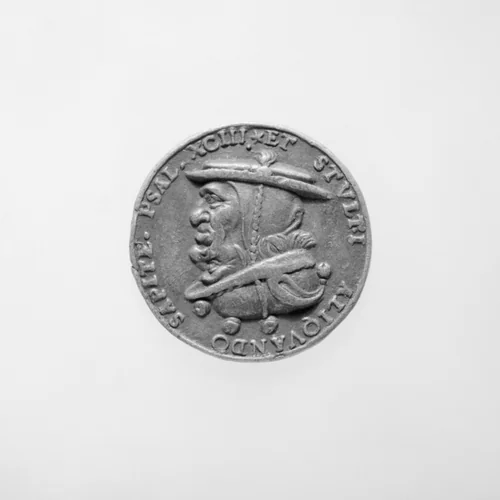
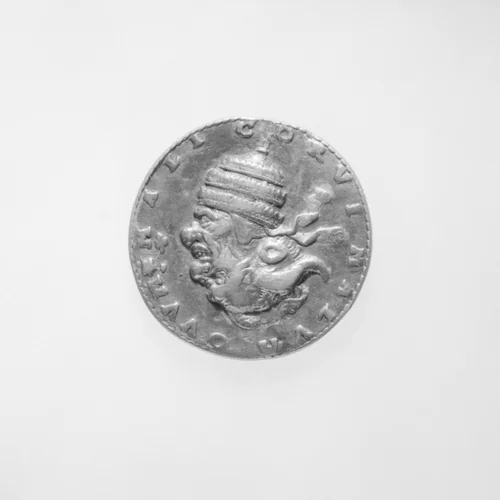
The artist’s documented oeuvre includes six distinct metalworks, several of which are preserved in major public institutions, including the Metropolitan Museum of Art, testament to their enduring historical and artistic significance. These works demonstrate Hagenauer’s consistency in creating museum-quality documents of his era.
What distinguishes Hagenauer's legacy is his quiet command over the medium of bronze. He possessed an uncanny ability to suggest inner life using only profile and high relief. It is perhaps fitting that some of the most enduring records of his era exist in this highly durable and often overlooked format, allowing contemporary viewers to appreciate the sheer technical skill required to capture such likenesses. While original prints of his designs are rare, the accessibility of today’s collections means that high-quality prints derived from his important bronze works are increasingly available for study and enjoyment, ensuring his contribution to 16th-century portraiture remains clear and compelling.