French
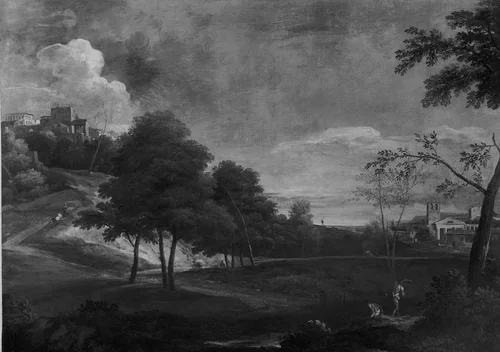
The body of work attributed to anonymous French masters and workshops active across the pivotal late medieval period, spanning from 1200 to 1470, offers a comprehensive visual history of Gothic and early Renaissance culture in France. This prolific output demonstrates extraordinary versatility, moving fluidly between monumental commissions and the intricate detail required for illumination, metalwork, and painting.
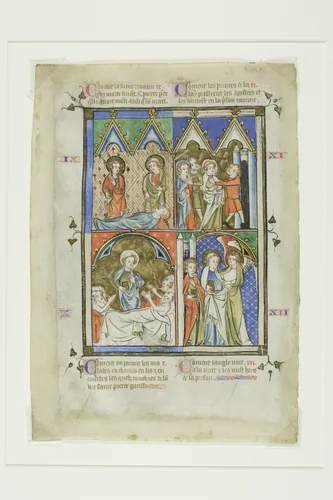
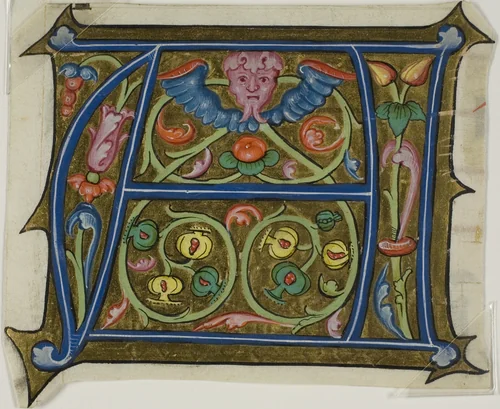
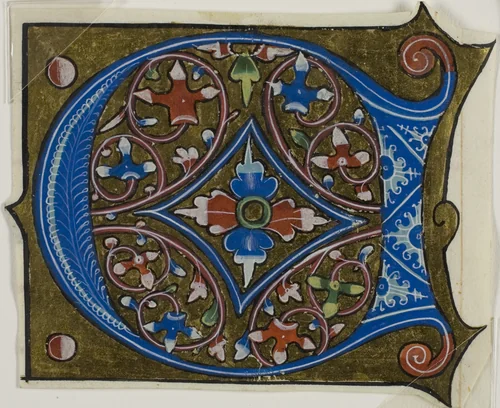
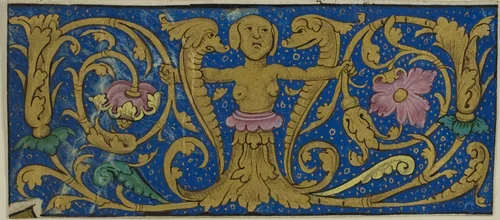
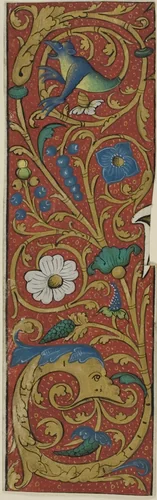
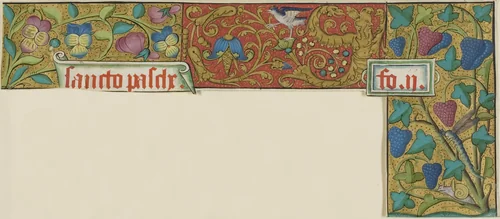
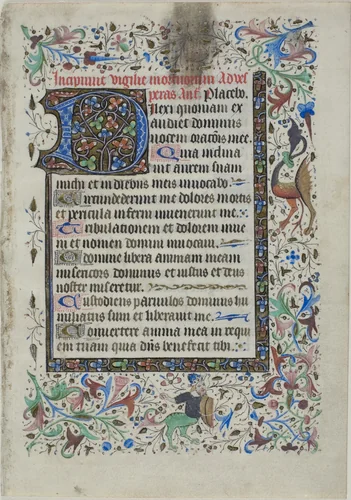
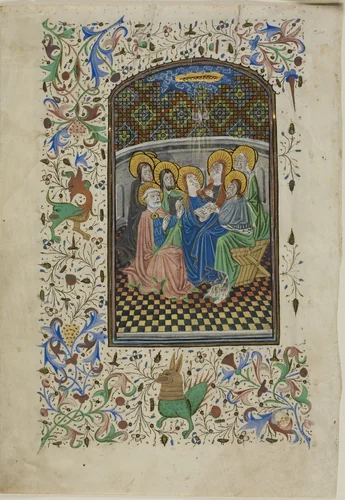
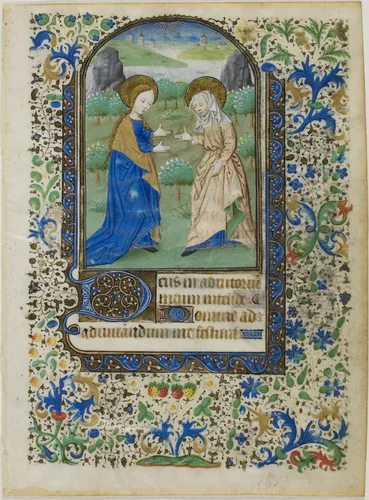
The historical significance of this collection lies not only in its scope but also in its material diversity. Beyond the twelve recorded French paintings, the surviving objects include essential elements of religious and secular life. Manuscript illumination represents a high point of technical skill, exemplified by works such as Scenes from the Miracles of St. Peter, from a Bible Historiale or Pictorial New Testament. These delicate compositions, alongside elements like Decorated Initial "A" with Grotesque and Flora from a Choir Book, reveal the rigorous standards applied to religious texts destined for high-ranking clerical or noble libraries. The use of vibrant pigments and gold leaf established the standard for luxury goods throughout Western Europe.
A particularly engaging feature of the anonymous French production is its dedication to craftsmanship across all forms of material culture. While focusing predominantly on spiritual narratives, the collective output also included the strictly practical, such as the single known metalwork piece, the Tart Mold Ring. The integration of artistic expertise into even utilitarian objects provides an understated observation about the comprehensive nature of medieval workshops, ensuring that visual appeal extended to the finest kitchen implements.
Today, the enduring influence of these medieval artists is confirmed by their placement within world-renowned institutions, including the Metropolitan Museum of Art and the Art Institute of Chicago. The longevity of this era ensures much of the documentation is secured in the public domain, allowing scholars and enthusiasts worldwide access to view and study these historical documents. Furthermore, the detailed execution of these works translates beautifully, ensuring that historically accurate and high-quality prints are widely available for educational purposes, preserving the legacy of these foundational French prints for contemporary study.
Source: Wikipedia · CC BY-SA 4.0