Frederik van Hulsen
Frederik van Hulsen, known variously in historical records as Friedrich von Hulsen, Hulseen, and Fredericus Hulsius, stands as a significant, though often regionally overlooked, master of the Dutch Golden Age tradition of copperplate engraving. Active between 1580 and 1627, Van Hulsen was defined by his transatlantic professional itinerary, maintaining workshops in the influential German commercial and artistic hubs of Frankfurt and Nuremberg. This mobility placed him at the nexus of the North European print trade, specializing in technically demanding reproductive works essential for disseminating intellectual and political imagery across the continent.
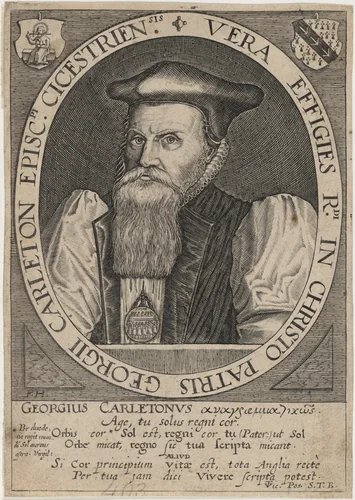
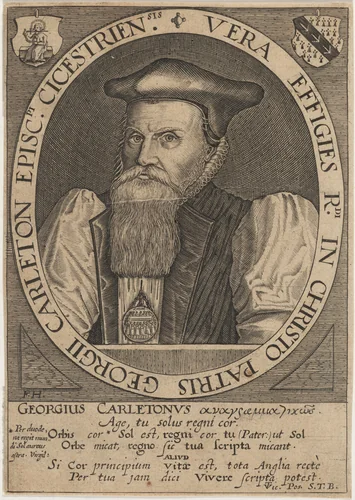
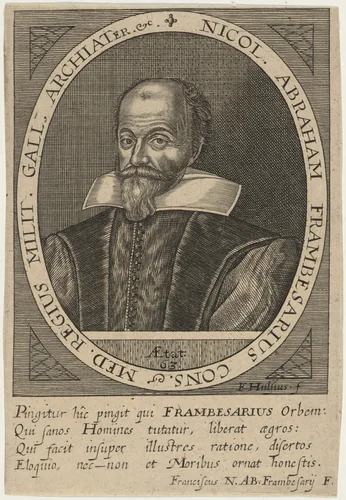
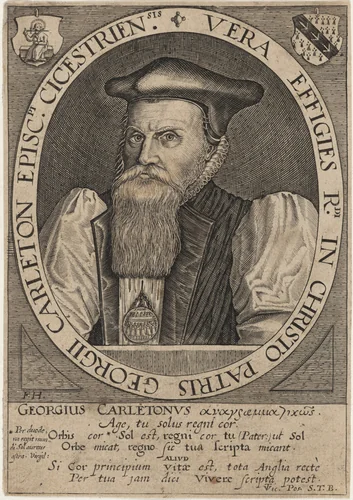
Van Hulsen’s artistic contribution is concentrated almost entirely in printmaking, cementing his reputation through meticulously crafted portraits and allegorical title pages. These works serve not merely as decorative images, but as crucial historical documents of the period’s prominent figures. His known output includes the powerful studies of ecclesiastics such as George Carleton, Bishop of Cheschester, and the continental intellectual Nicolas Abraham de la Framboisiere. It is revealing that Van Hulsen revisited the depiction of George Carleton, producing multiple distinct versions; this repetition strongly suggests the success and high demand associated with his precise style of portraiture within the English and German print markets.
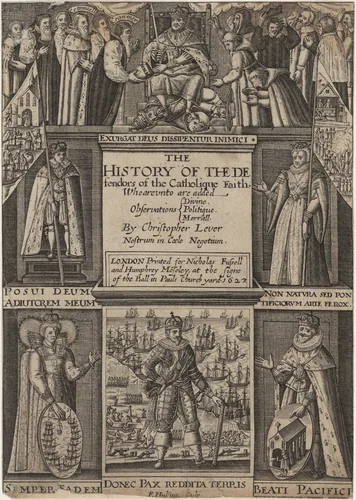
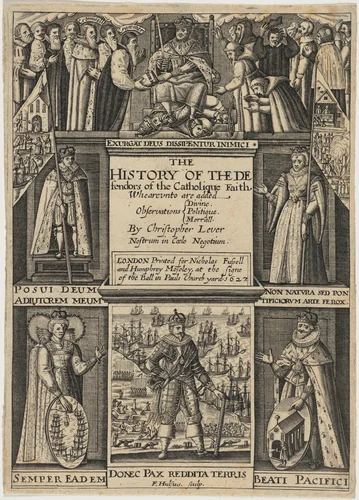
His technical command of line engraving is further demonstrated in complex commissions, particularly the Title Page to History of the Defenders of the Catholic Faith, a work that required exceptionally high-quality prints to sustain intricate allegorical detail and dense textual integration. These Frederik van Hulsen prints, collected today in institutions like the National Gallery of Art, underscore his ability to translate subtle textural variations and psychological depth onto the copper matrix.
Unlike many of his contemporaries who focused solely on paintings, Van Hulsen understood and capitalized on the explosive growth of the print market. His focus on creating enduring, reproducible images ensured his impact extended far beyond the immediate circle of private patronage. Today, many of his important historical works have entered the public domain, providing researchers and enthusiasts access to high-quality documentation. This makes much of Van Hulsen's surviving downloadable artwork readily available for contemporary study, allowing scholars to fully appreciate the essential, cross-cultural role he played in shaping the visual culture of the early seventeenth century.
Source: Wikipedia · CC BY-SA 4.0