Frederick Landseer Maur Griggs
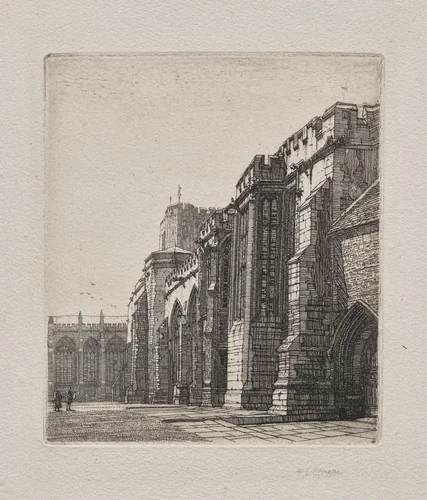
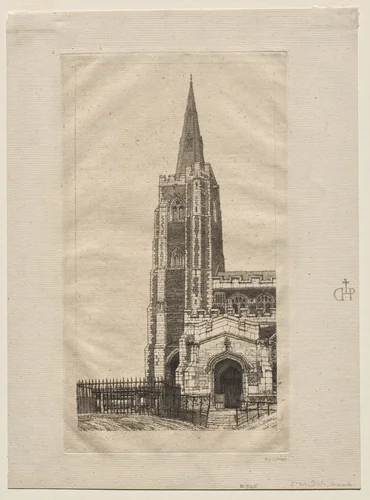
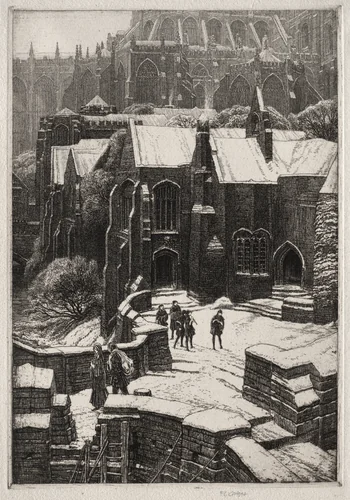
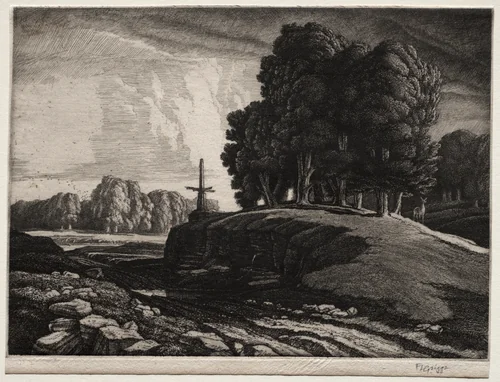
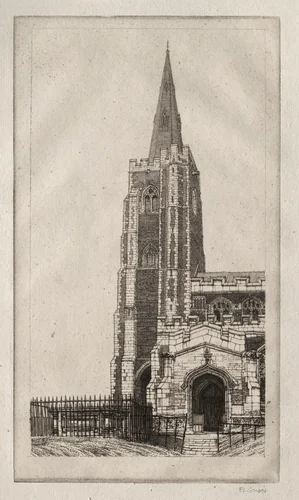
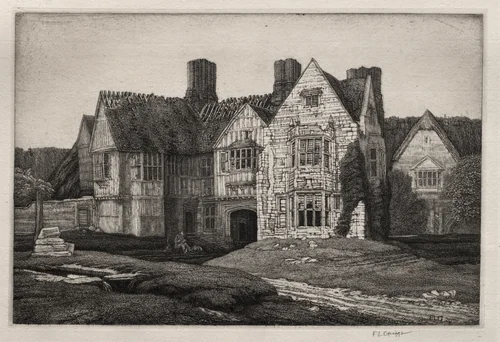
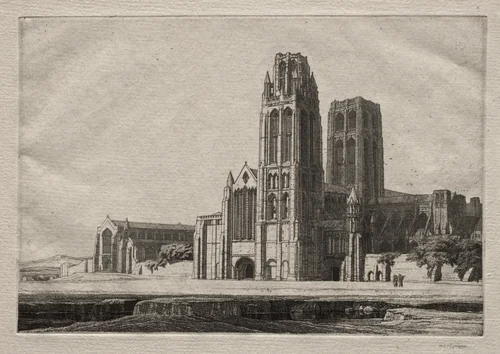
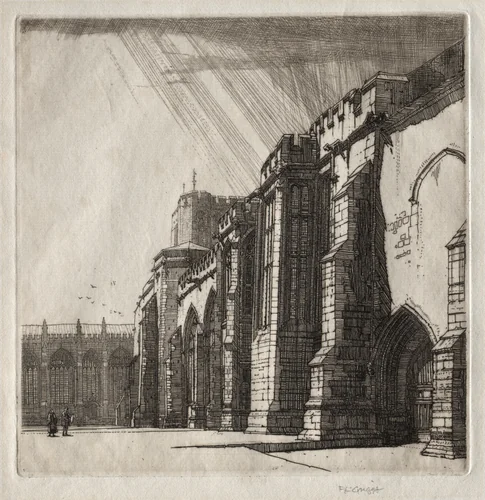
Frederick Landseer Maur Griggs (1876-1938) holds a distinguished position within the trajectory of modern British printmaking. An accomplished etcher, architectural draughtsman, and illustrator, he was a pivotal figure in the final flowering of the Etching Revival. His technical mastery and profound thematic focus led to his election as one of the earliest etchers to achieve full membership in the Royal Academy, a significant recognition that elevated the status of the graphic arts within the established hierarchy.
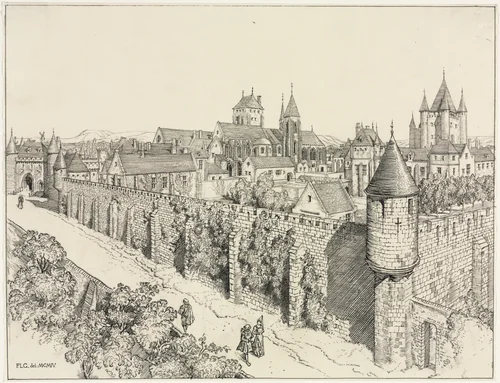
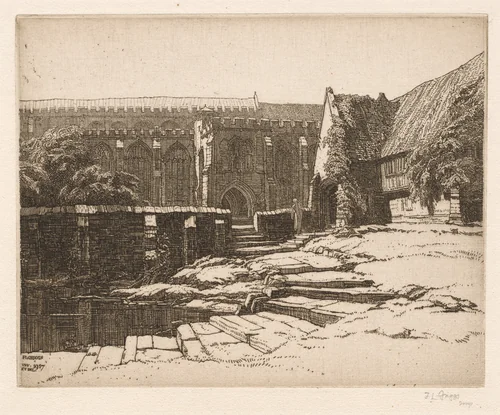
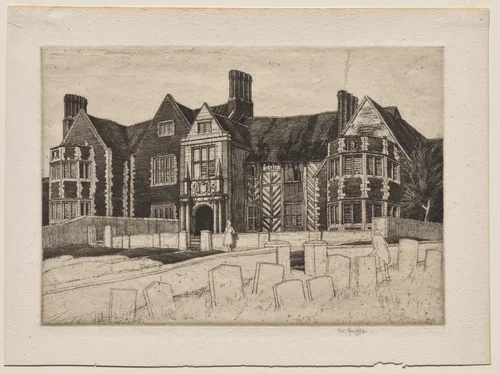
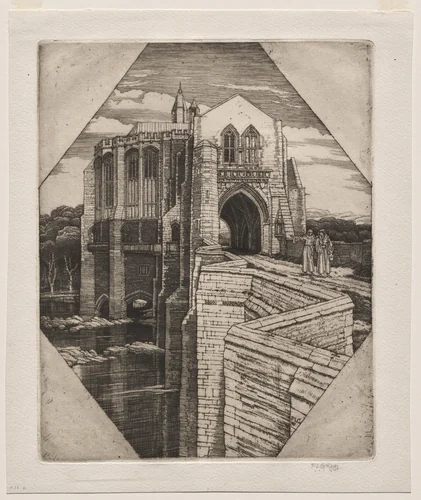
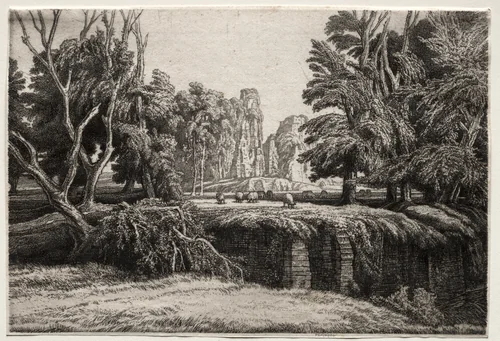
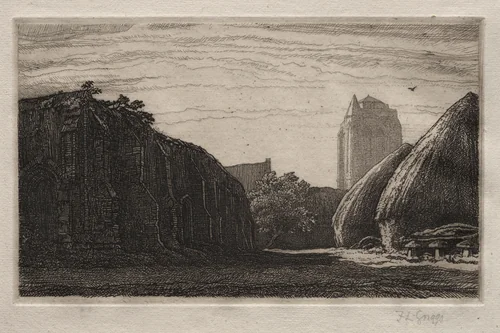
Griggs’s artistic output was inseparable from the wider cultural mission of the Arts and Crafts movement. Settled in Chipping Campden in the Cotswolds, he became a central advocate for the region’s ethical and aesthetic ideals. This commitment was expressed through his work as an early conservationist; he used his precise draughtsmanship not only to document existing structures but also to champion the preservation of Britain’s architectural heritage. His deep reverence for the past often manifested in highly detailed, atmospheric compositions that blurred the line between careful observation and romantic imagination. Perhaps the greatest irony of his career is that this dedicated chronicler of ancient architecture often had to invent the medieval settings he depicted, merging detailed reality with wistful, romantic possibility.
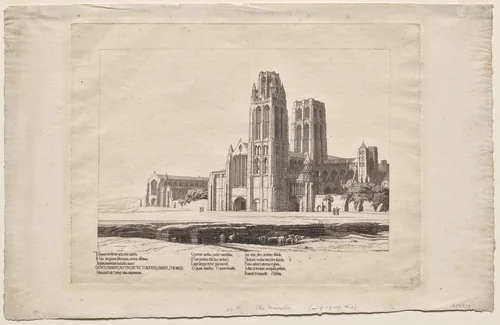
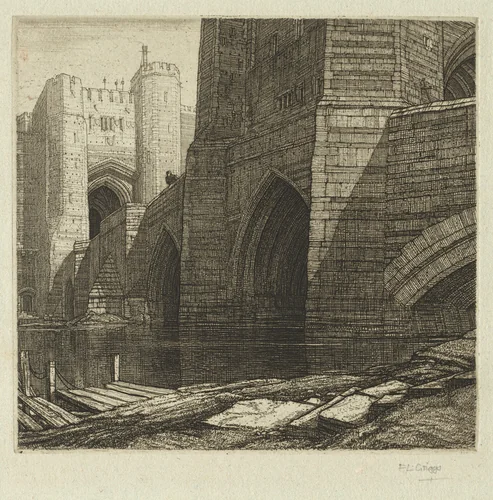
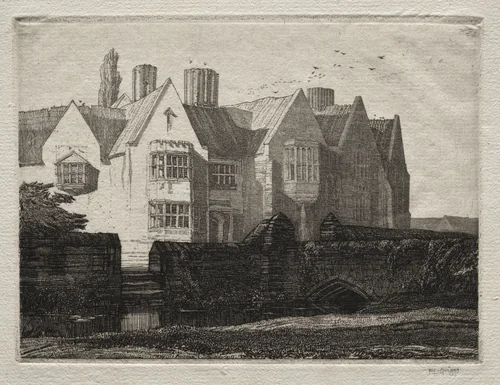
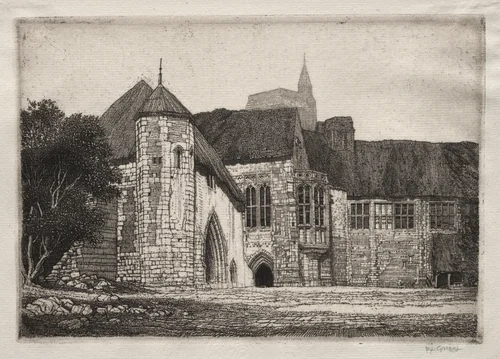
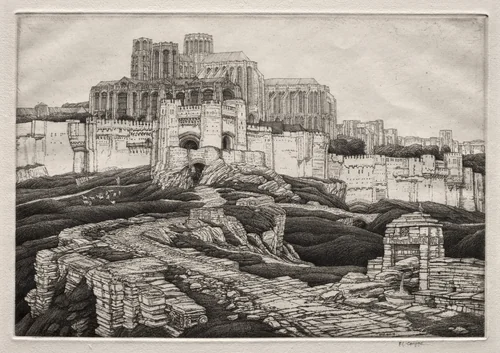
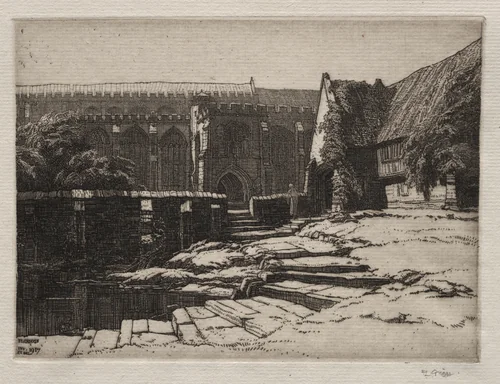
His etchings, including defining works such as The Minster, The Barbican, and The Palace, display a signature density and complex use of line to render light and texture, setting a high standard for contemporary printmaking. This meticulous focus ensured that Frederick Landseer Maur Griggs prints quickly became coveted collector items.
Griggs’s influence extended beyond the etching plate. His election as Master of the Art Workers’ Guild in 1934 solidified his standing as a critical voice in the preservation and continuation of craft and architecture in Britain. Though he belonged to a movement often associated with the past, his innovations in technique secured the medium’s future relevance. Today, these high-quality prints reside in major museum collections, including the Cleveland Museum of Art, and much of his corpus is now available in the public domain, providing valuable, downloadable artwork for students and enthusiasts globally.
Source: Wikipedia · CC BY-SA 4.0