Frederick Evans
Frederick H. Evans (1853–1943) was a singular force in early British photography, celebrated primarily for his meticulously composed architectural studies of English cathedrals. Rejecting the prevalent soft-focus style of Pictorialism, Evans championed a vision that prioritized clarity, sharp detail, and an unwavering respect for the integrity of his subject matter. His images were not simply records; they were profound visual interpretations, capturing the monumental scale and the spiritual quality inherent in Gothic architecture.
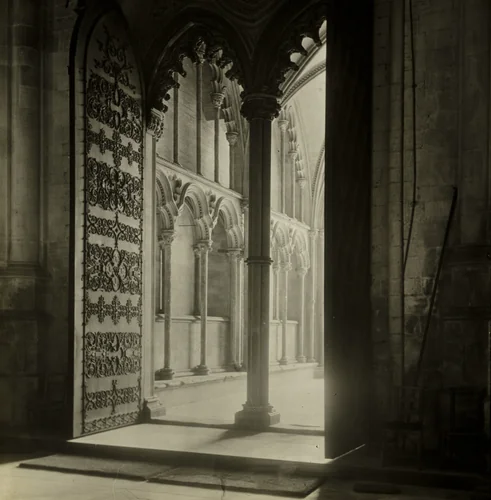
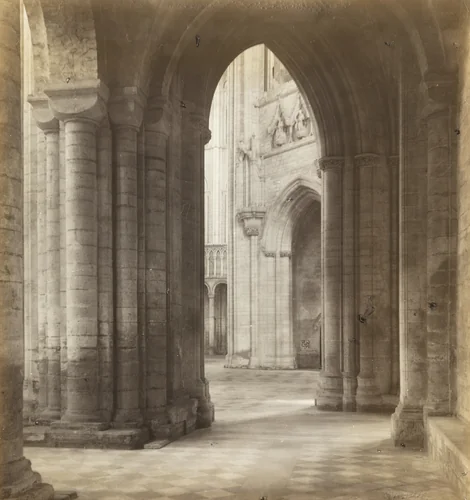
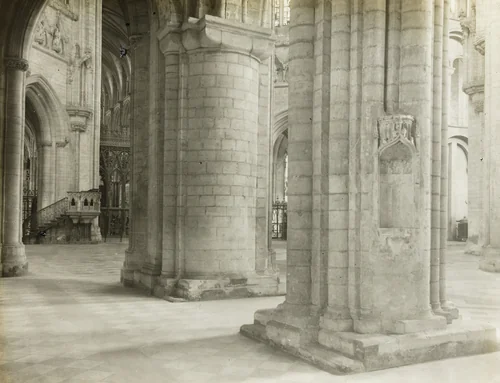
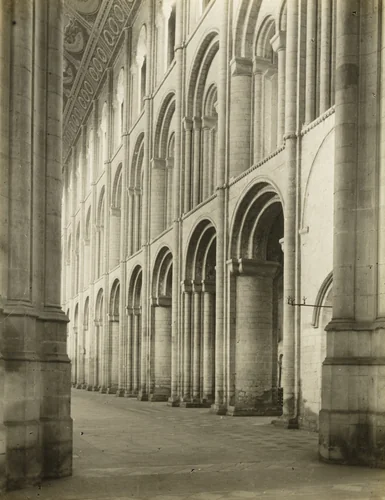
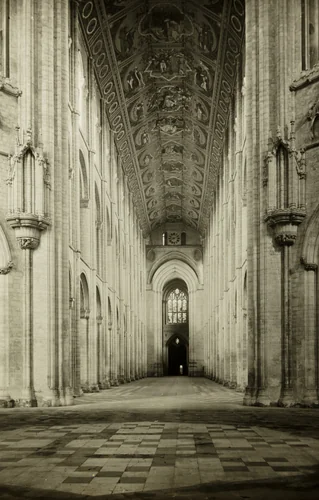
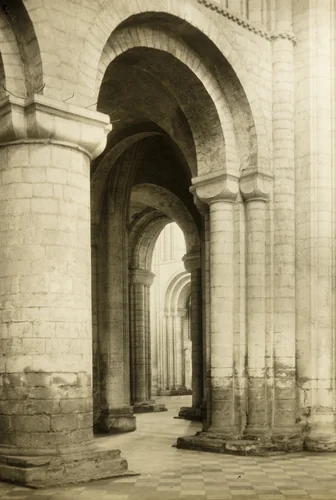
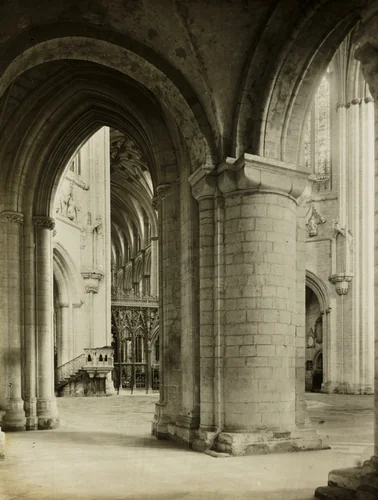
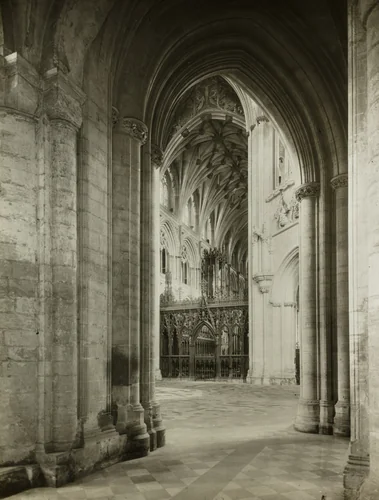
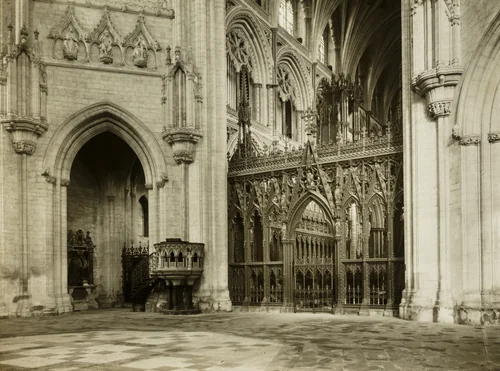
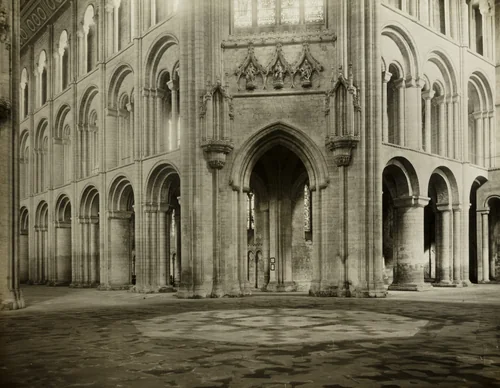
Evans’s technical mastery lay in his dedicated use of the platinum print, or platinotype, process. This exacting method was critical to his aesthetic goals, providing an exceptionally long, deep tonal scale and unparalleled archival permanence. The luminous quality achieved in his platinotypes allowed him to translate the delicate interplay of stone, air, and natural light into enduring visual statements. He specialized in interior views, demonstrating a rare genius for utilizing available light as a structural element, shaping spaces and drawing attention to the rhythm and repetition of arches and vaults.
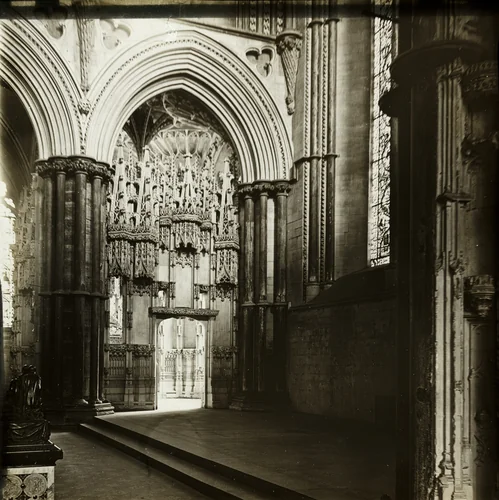
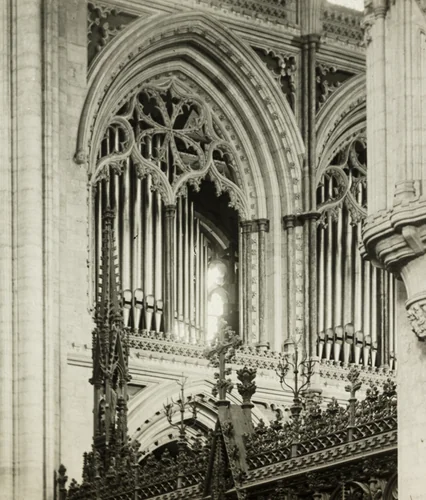
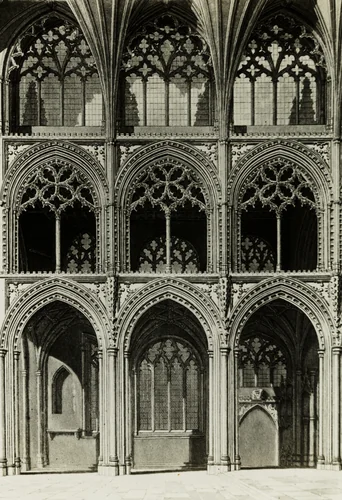
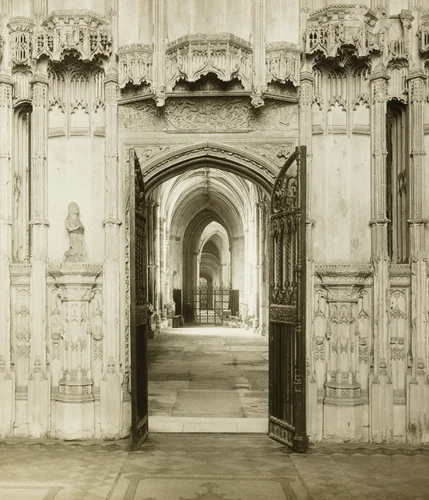
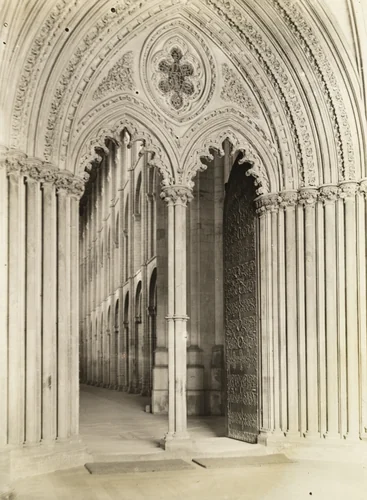
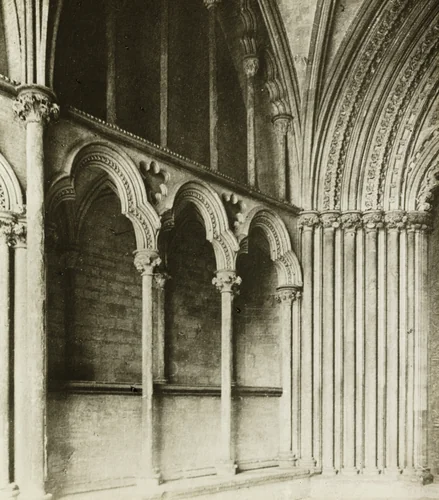
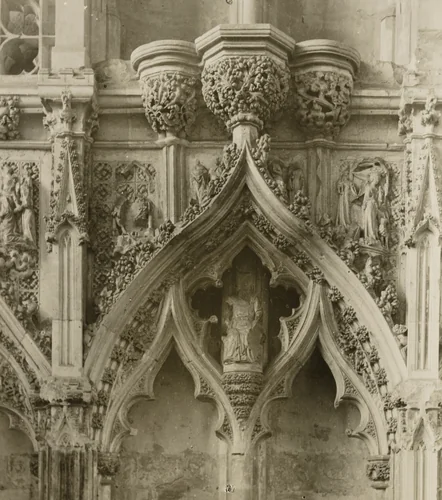
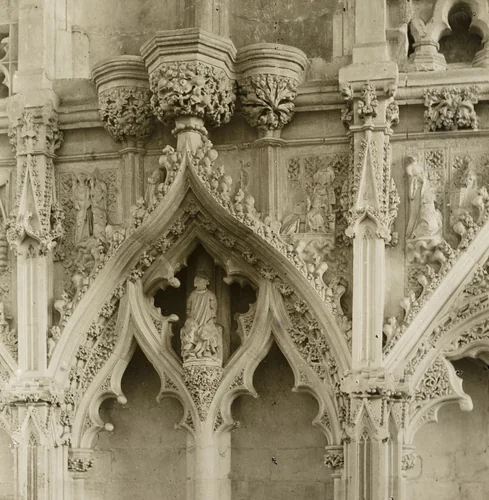
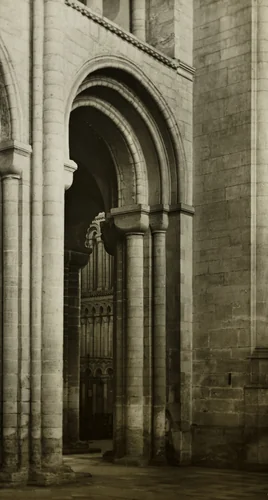
His sustained documentation of structures such as Peterborough, Lincoln, and Westminster Abbey are landmarks in photographic history, but his most definitive work remains the comprehensive series dedicated to Ely Cathedral. Photographs like Ely Cathedral: Choir Triforium, North Side and Ely Cathedral: Galilee Porch from Nave showcase his capacity to create an illusion of quiet, infinite depth, transforming stone geometry into contemplative art.
Though he maintained a successful career as a bookseller and was known to be a close personal friend of George Bernard Shaw, Evans’s lasting contribution rests in the lens he turned upon these historical monuments. His unwavering pursuit of perfection ensured his photographs attained an immediate museum-quality, influencing generations of architectural documentarians. Today, much of his exceptional imagery resides in the public domain, guaranteeing that contemporary collectors and enthusiasts can access high-quality prints and royalty-free downloadable artwork, preserving the subtle brilliance of this master photographer.
Source: Wikipedia · CC BY-SA 4.0