Frederick Bloemaert
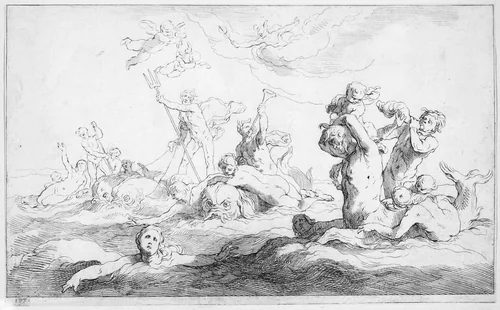
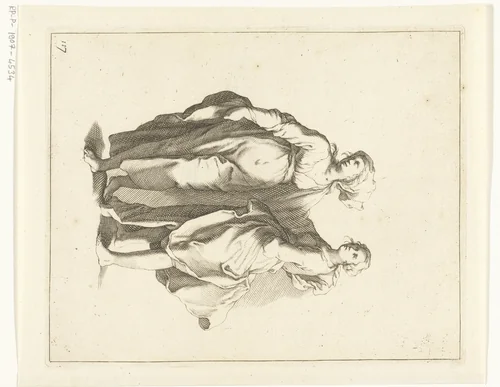
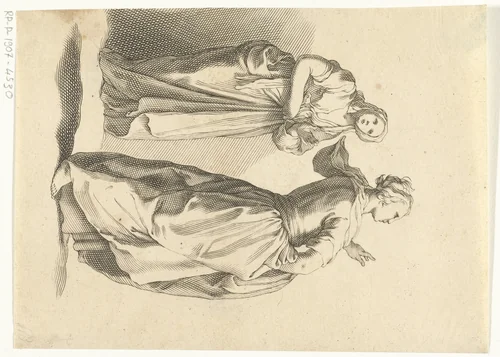
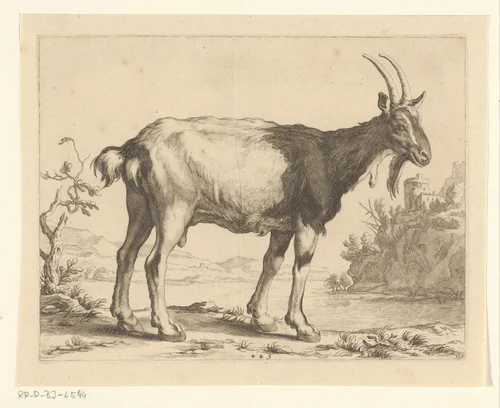
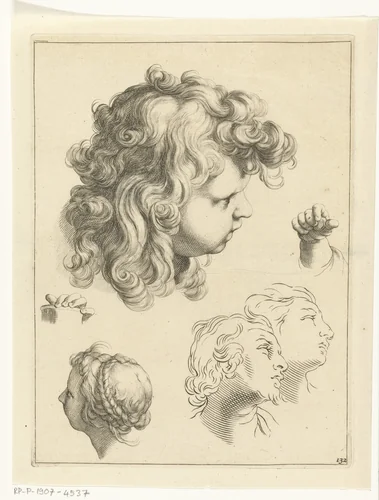
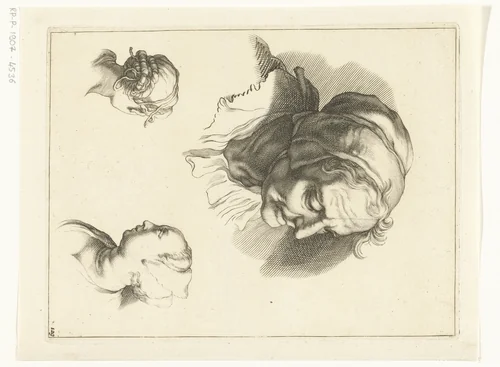
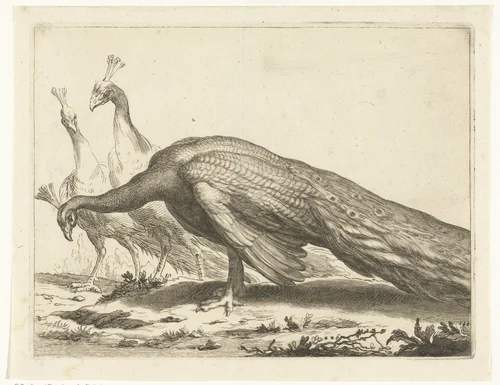
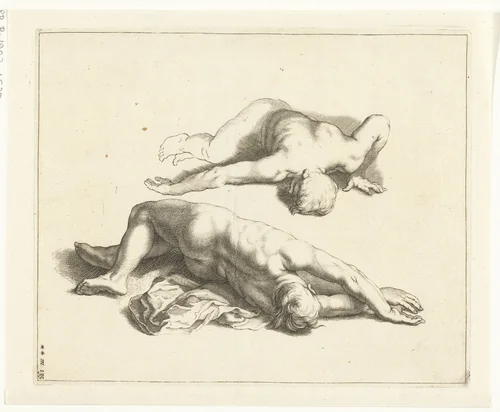
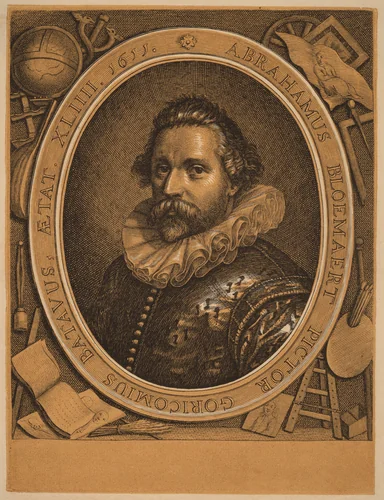
Frederick Bloemaert occupies a crucial, though sometimes overlooked, position in the visual culture of the Dutch Golden Age. Active throughout the late 16th and early 17th centuries, this skilled Dutch printmaker and draftsman was instrumental in disseminating the period's stylistic innovations across Europe. His technical facility ensured that sophisticated designs conceived by leading artists, including his famous father, Abraham Bloemaert, were rendered faithfully in copperplate, making them accessible to a wider European audience. His historical significance is confirmed by the sustained inclusion of his fifteen documented prints in major institutions like the Rijksmuseum and the Metropolitan Museum of Art.
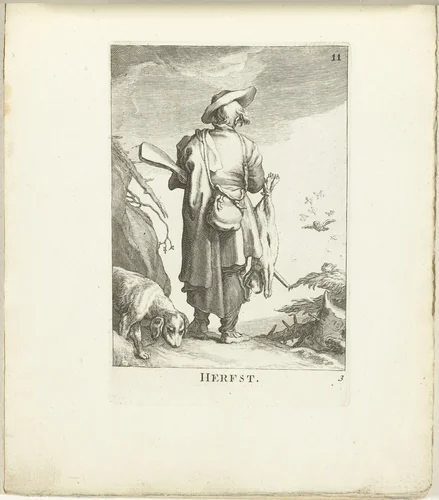
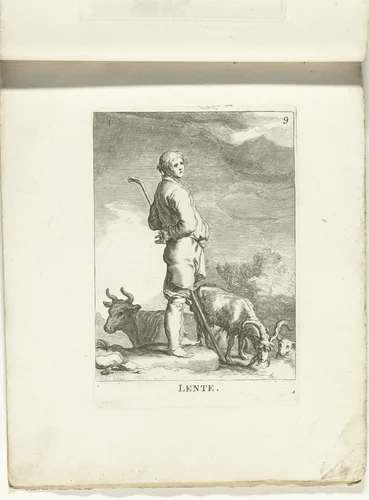
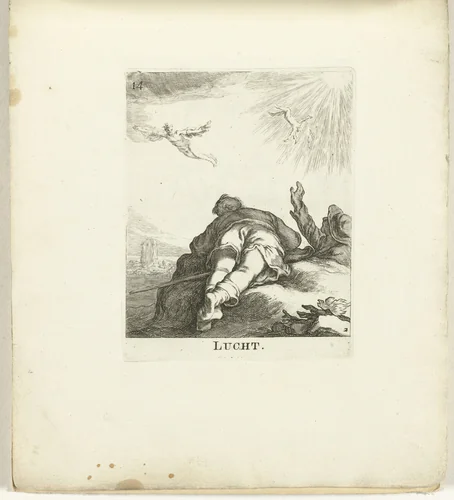
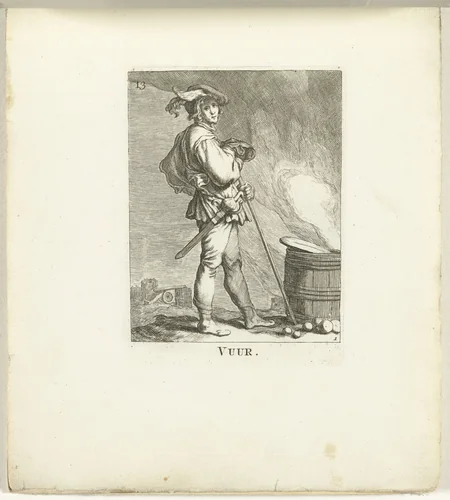
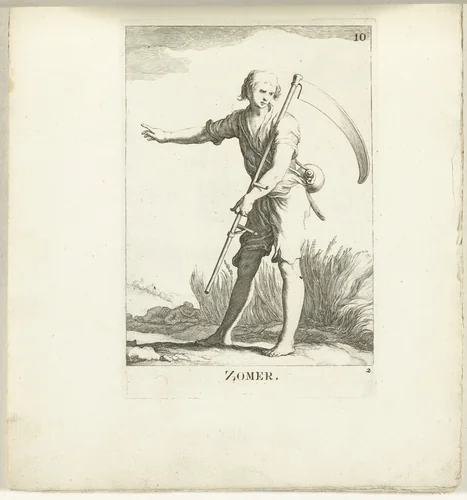
Bloemaert’s specialization was the reproductive print, a high-demand medium that required immense technical dexterity and focused patience. Translating the atmospheric washes and fluid lines of a master’s drawing into the rigid, controlled structure of a line engraving is a demanding task, requiring inventive handling of light, shadow, and texture. His body of work demonstrates remarkable versatility across varied subject matter. He moved seamlessly between meditative religious themes, such as Saint John the Baptist and Landscape with a Hermit Praying, to comprehensive allegorical studies like Aarde (Earth), the seasonal representation Herfst (Autumn), and vivid genre scenes, exemplified by Koken in de buitenlucht (Cooking Outdoors).
Bloemaert’s sustained focus on precision sets a technical benchmark for museum-quality engraving in the early seventeenth century. His high-quality prints were essential vehicles for the dissemination of Mannerist and early Baroque aesthetics, ensuring that the visual language developed by the Bloemaert workshop influenced artists far beyond Utrecht.
Today, these Frederick Bloemaert prints and associated works remain highly valued by scholars and collectors. Due to the diligent archival work of institutional holders, many of his masterful etchings are now considered part of the public domain, making downloadable artwork widely available for study and appreciation. Bloemaert’s enduring appeal is a quiet reminder that sometimes the most influential artists are those who perfect the meticulous craft of faithful reproduction, allowing the original spark of creation to shine further across time and geography.
Source: Wikipedia · CC BY-SA 4.0