Frédéric Théodore Faber
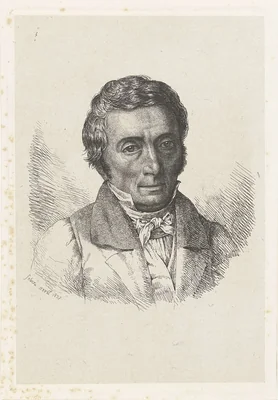
Frédéric Théodore Faber (1782-1844) was a significant Belgian artist whose career charted the changing definitions of fine art and high craft in the early 19th century. Born in Brussels, Faber received his initial instruction from his father before seeking rigorous formal training in Antwerp. In 1799, he began studying under Balthasar Paul Ommeganck, one of the foremost animalier and landscape painters of the era. This comprehensive tutelage grounded Faber in the meticulous observation and naturalistic detail characteristic of the Netherlandish tradition, skills that would later define his substantial graphic output.
A decisive professional shift occurred when Faber established a notable china manufactory in Brussels. This move signaled a distinct entrepreneurial redirection, prompting the artist to largely abandon traditional easel painting in favor of the specialized techniques required for decorative painting on porcelain. It is a subtle but telling observation of the period that a formally trained academic painter would pivot from the potential renown of the salon to the demanding precision and commercial volume of ceramics production.
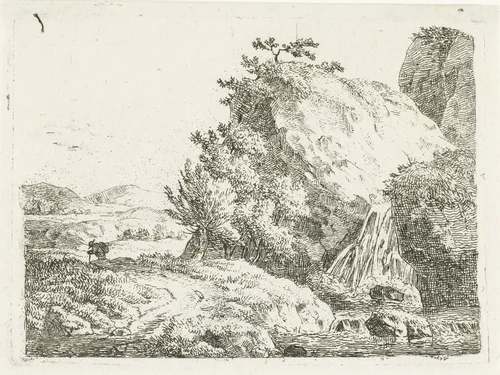
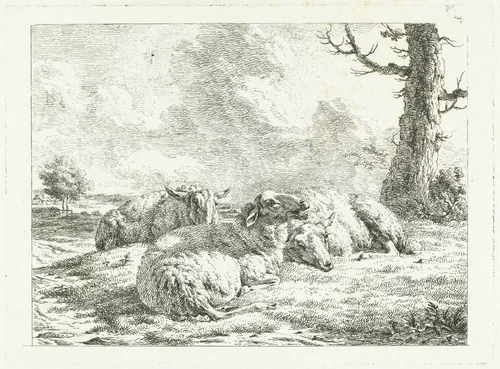
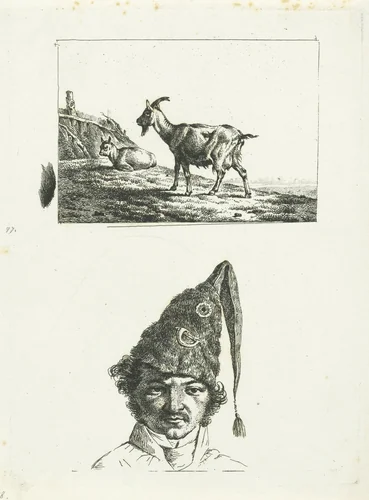
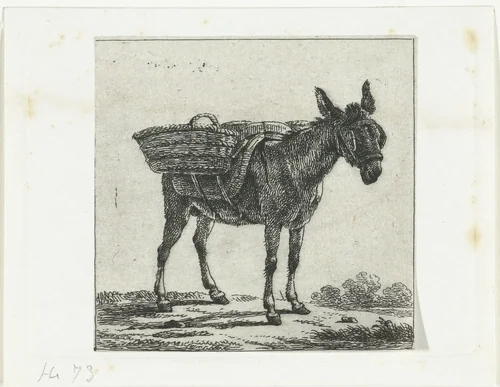
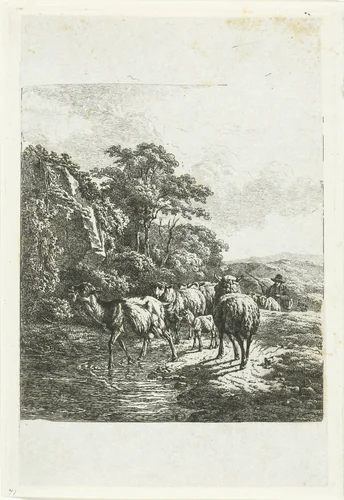
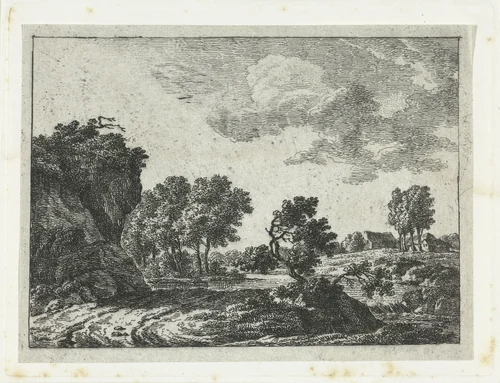
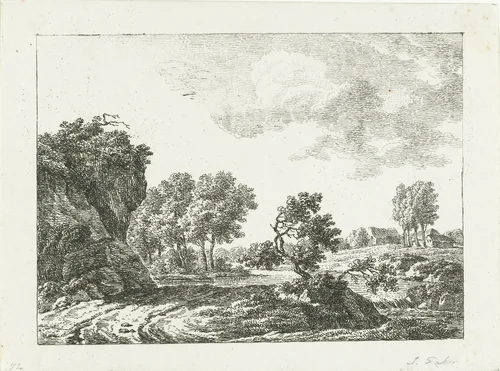
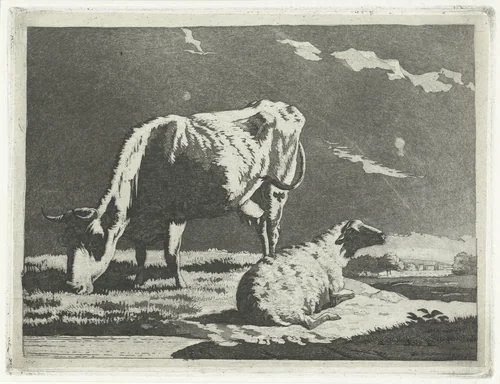
Although his output of oil paintings diminished following this pivot, Faber’s enduring legacy rests upon his prolific work as a graphic artist. He executed upwards of one hundred plates, encompassing both landscapes and detailed genre scenes focusing on domestic livestock. He not only created compositions of his own design, such as Berglandschap met waterval en wandelaar (Mountain Landscape with Waterfall and Walker), but also produced definitive, high-quality prints after the works of his master Ommeganck, as well as those by De Roy and Van Assche. Works like Gezadelde ezel met oogkleppen (Saddled Donkey with Blinders) demonstrate his sensitivity to light and texture within the print medium.
Today, many of these Frédéric Théodore Faber prints are housed in major institutions like the Rijksmuseum, confirming his status as an accomplished graphic artist. Because many of these historic plates are now in the public domain, they remain accessible globally, offering historians and collectors royalty-free access to this critical chapter of early 19th-century Belgian graphic art.
Source: Wikipedia · CC BY-SA 4.0