Franz Wilhelm Seiwert
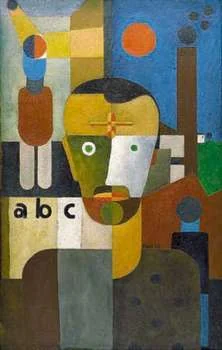
Franz Wilhelm Seiwert (1899-1933) occupies a critical position in the history of German modernism, standing as a pivotal figure in the development of applied Constructivism during the fraught political climate of the Weimar Republic. Active primarily between 1919 and 1930, Seiwert was unique in his rigorous dedication to integrating artistic practice with radical political commitment. His output successfully spanned painting, sculpture, and industrial graphic design, consistently adhering to an aesthetic of clarity, utility, and social purpose.
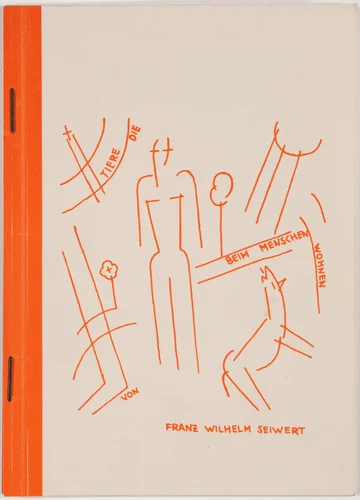
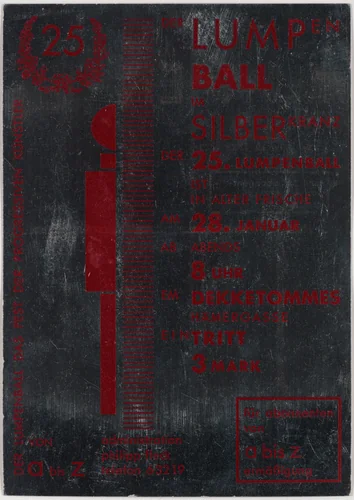
As a committed communist, Seiwert viewed art as a tool for political mobilization and educational clarity, not merely personal expression. He contributed crucial graphic and theoretical works to the influential expressionist and anti-war journal Die Aktion, using geometrically precise compositions to communicate urgent social messages. Key works such as Ihr Menschen Vereinigt Euch and Revolution exemplify his synthesis of simplified forms and didactic function, designed for mass communication and immediate impact within a revolutionary context. These designs reflect the powerful, utilitarian aesthetic shared by contemporaries attempting to redefine art's relationship to the public sphere.
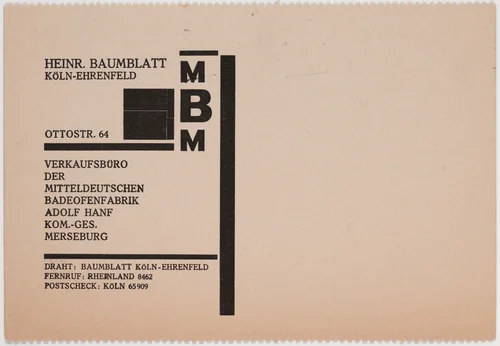
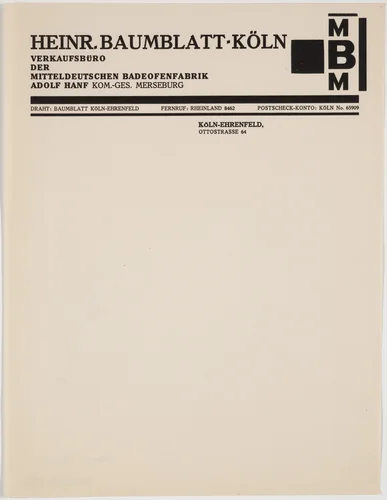
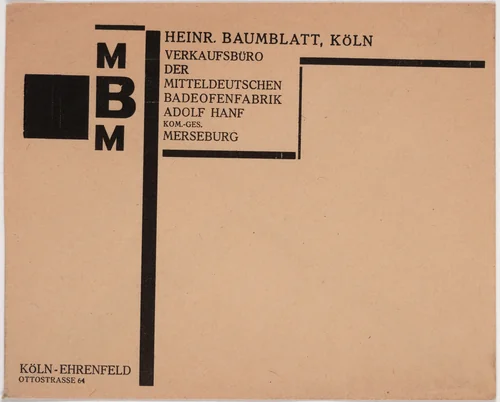
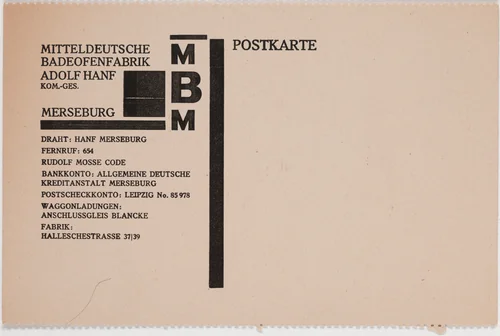
Seiwert’s commitment to applied art extended directly into commercial production. Alongside his overtly political endeavors, his oeuvre includes practical designs and detailed invoices, notably for the Mitteldeutsche Badeofenfabrik, Adolf Hanf, Merseburg. It is perhaps the highest irony of the period that an artist so dedicated to revolutionary socio-political ideals was simultaneously refining the aesthetic of everyday domestic utilities, confirming the core Constructivist belief that artistry must serve industry and function.
Today, surviving examples of Franz Wilhelm Seiwert paintings and designs are held in major institutional collections, including the Museum of Modern Art (MoMA) and the National Gallery of Art (NGA), ensuring museum-quality preservation of his legacy. Despite his tragically short working career, curtailed both by political pressures and early death, the clarity and strength of his graphic output remain significant. Much of this historical output is now freely accessible; many of his important works, originally intended for rapid dissemination, are available as downloadable artwork, ensuring their continued study long after their immediate political context faded.
Source: Wikipedia · CC BY-SA 4.0