Franz Seraph Hanfstaengl
Franz Seraph Hanfstaengl (1804–1877) was a pivotal figure in nineteenth-century Bavarian visual culture, recognized equally as a sophisticated painter, a foundational lithographer, and an early pioneer of commercial photography. His career trajectory uniquely charts the industrialization of image reproduction, demonstrating both artistic mastery and a keen technological foresight.
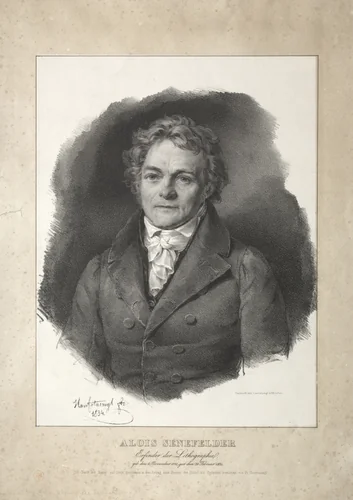
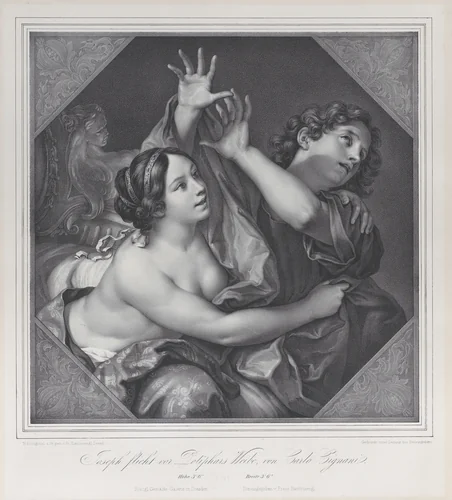
Initially trained as a painter, Hanfstaengl found his true professional calling in the rapidly expanding field of lithography. This medium, invented by fellow Bavarian Aloys Senefelder, allowed for the unprecedented mass circulation of detailed images, shifting art away from the sole preserve of the elite. Hanfstaengl quickly established himself as a master draftsman in this field. His ability to translate the texture and weight of oil paintings into reproducible forms earned him widespread acclaim, particularly through his ambitious project to reproduce masterworks from the Dresden Gallery, a monumental undertaking that solidified his international reputation. Works from this period, such as the portrait of Aloys Senefelder and the narrative scene Joseph and Potiphar's wife, exemplify his technical command over stone-based printing.
Unlike many contemporaries who resisted the incursion of technology, Hanfstaengl embraced innovation. By the 1850s, he transitioned seamlessly into commercial photography, establishing one of the most respected photographic studios in Munich in 1853. This move was not merely opportunistic; it was a pragmatic recognition of the medium that would ultimately define the future of art reproduction. He successfully applied the high standards and meticulous attention characteristic of his earlier printmaking endeavors to the emergent field of photographic portraiture, successfully merging the atelier with the laboratory. He was, in effect, one of the first entrepreneurs to understand that fidelity and distribution were intrinsically linked.
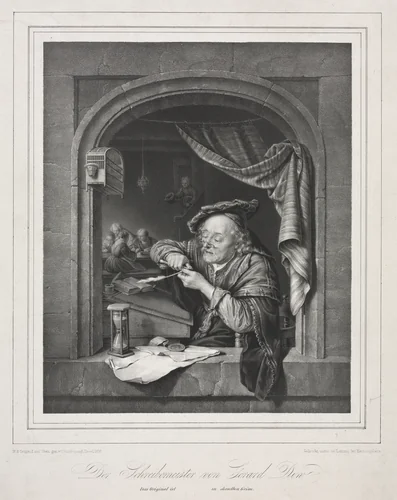
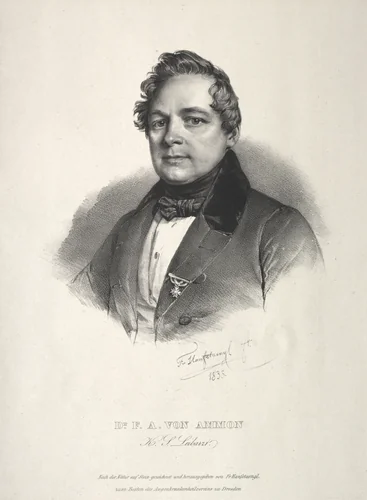
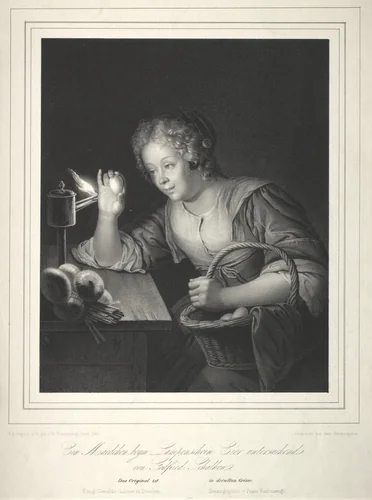
Hanfstaengl's dedication to precise documentation and broad accessibility ensured the survival of many significant images. His output, including celebrated Franz Seraph Hanfstaengl prints like Dr. Friedrich August von Ammon and Girl Candling Eggs, achieved a high standard that earned placement in major institutional holdings, including the Metropolitan Museum of Art and the Cleveland Museum of Art. Today, the foundational collection of his works, available as high-quality prints, increasingly enters the public domain, offering historians and enthusiasts royalty-free access to this important bridge between traditional artistry and industrial reproduction.
Source: Wikipedia · CC BY-SA 4.0