Franz Roh
Franz Roh (1890-1965) occupies a unique and historically vital position in the chronicle of modern art, distinguished equally as a pioneering critic, historian, and visual artist. His enduring significance rests primarily upon his 1925 theoretical treatise, Nach-Expressionismus: Magischer Realismus: Probleme der neuesten europäischen Malerei. Within this volume, Roh coined the seminal phrase Magic Realism, an intellectual intervention that fundamentally categorized and defined the stylistic pivot away from the intense, subjective emotionality of Expressionism. He argued instead for a renewed clarity, focusing on the unexpected strangeness and inherent objectivity found within precise visual representation.
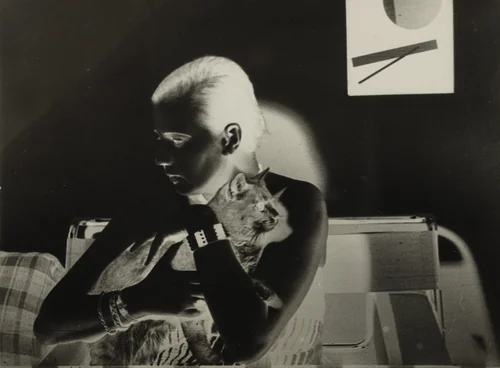
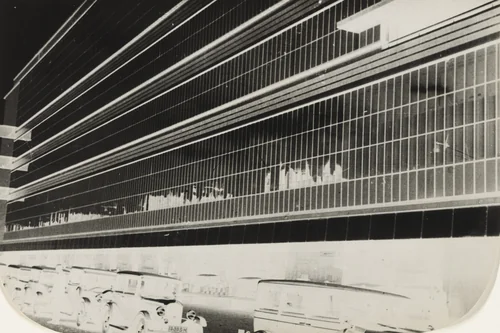
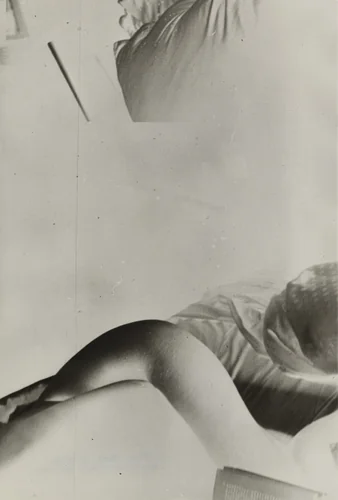
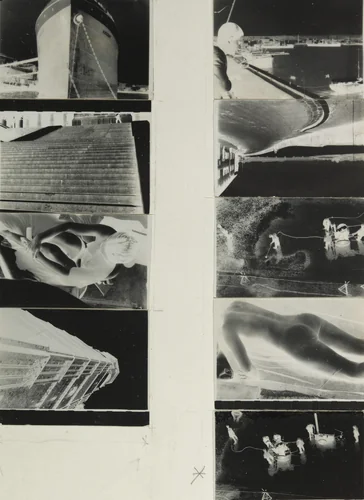
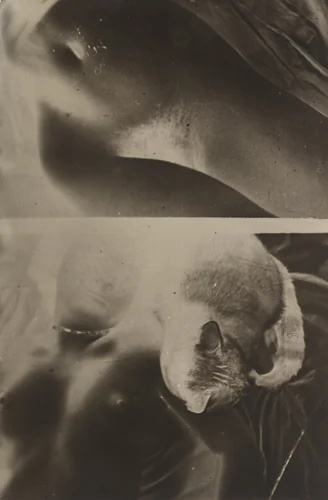
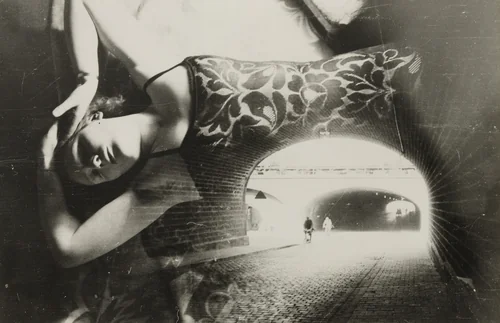
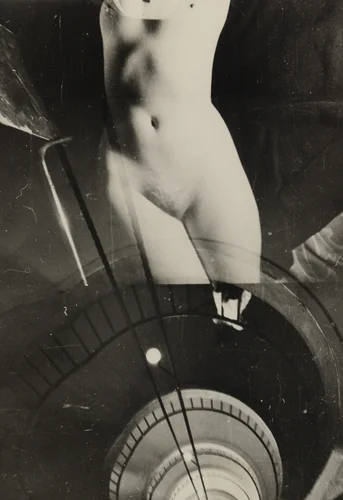
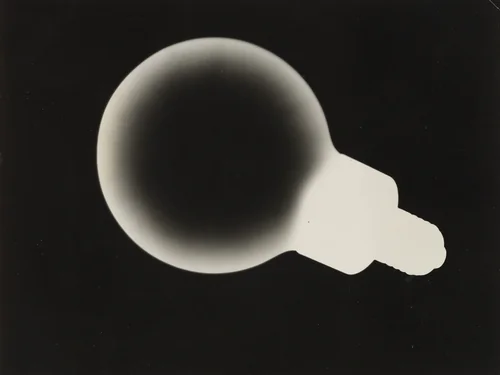
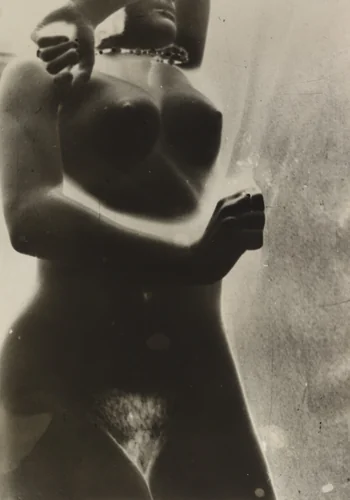
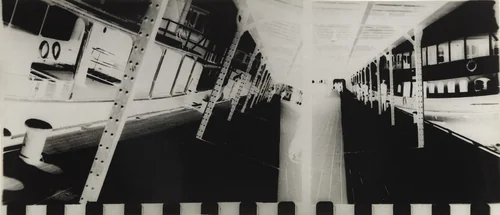
While Roh’s critical work laid the groundwork for decades of literary and visual production, his own artistic practice centered acutely on photography. Active around 1928, Roh produced a small but influential body of work, estimated at only ten surviving photographs, now represented in major institutional holdings such as the Museum of Modern Art (MoMA). Working during the highly fertile period of Weimar Germany, his photographic approach demonstrated a calculated formal detachment characteristic of the Neue Sachlichkeit (New Objectivity) movement, yet infused with the very 'magic' he defined in painting.
His compositions, including Under Water, Architecture, and the disquieting portrait Actress, subtly dislocate the viewer, finding formal tension in seemingly straightforward subjects. The titles alone, such as Mysterious Apparition, suggest an exploration into the hidden psychological depths underlying quotidian reality.
Roh's dual identity as a rigorous academic and a perceptive visual practitioner is rare; few art theorists manage to contribute conceptually while simultaneously producing lasting museum-quality visual work. Indeed, his most compelling achievement was defining a post-war visual mood that applied perfectly to his own unsettling photographic output just three years after his book’s publication. Although his historical legacy rests on the term he invented, these early Franz Roh prints offer sharp insight into the transitional cultural moment. Today, many of these historical works are available for study and enjoyment, having entered the public domain, allowing institutions and researchers to access high-quality prints reflecting his innovative approach to realism and illusion.
Source: Wikipedia · CC BY-SA 4.0