Franz Radziwill
Franz Radziwill (1893–1983) stands as a crucial figure in the landscape of 20th-century German art, known for synthesizing the disciplined precision of realism with an intensely subjective psychological atmosphere. While the artist is frequently grouped with the New Objectivity (Neue Sachlichkeit) movement that dominated the Weimar period, his distinct stylistic contribution was primarily channeled through Magic Realism. This unique approach maintained the movement’s characteristic clarity and meticulous detail, yet simultaneously suffused everyday scenes with an unsettling stillness and often apocalyptic or dreamlike undertones.
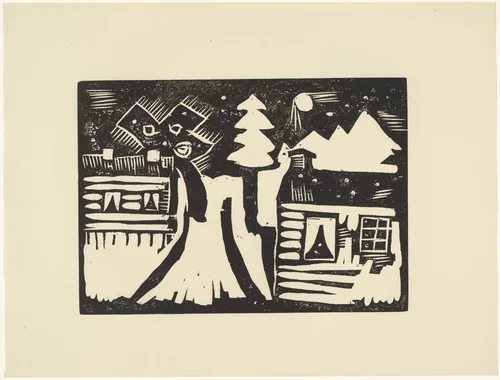
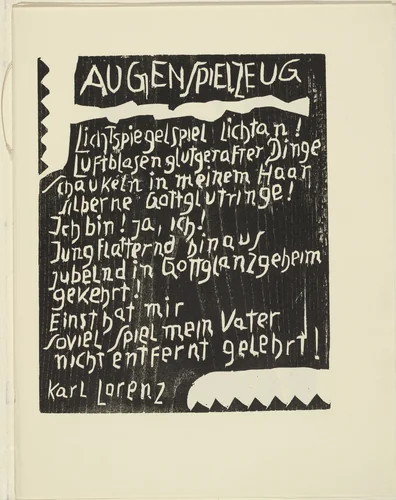
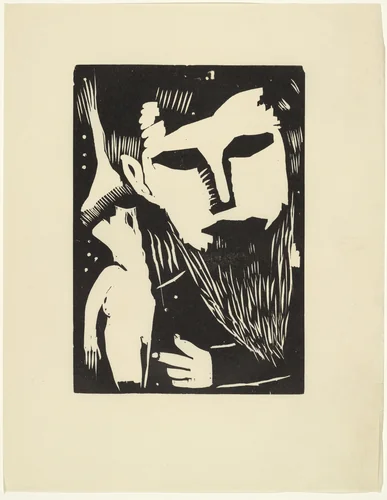
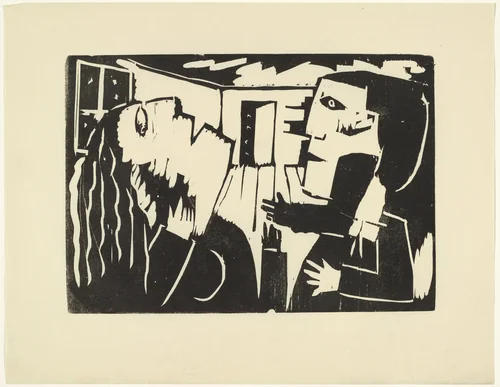
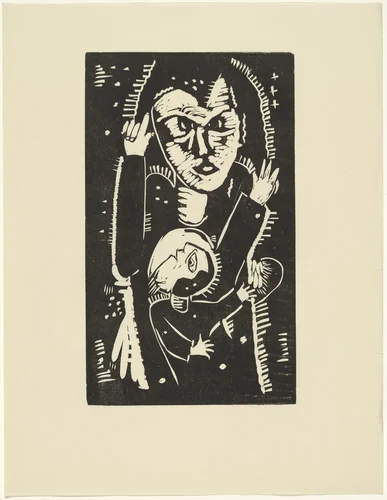
His early artistic activity confirms a swift engagement with the intellectual vanguard of the 1920s. By March 1921, Radziwill’s graphic output was featured prominently in the progressive periodical Kündung, illustrating his capacity to articulate complex visual concepts beyond pure painting. This issue alone contained five works: Landscape (Landschaft), Playthings for the Eye (Augenspielzeug), The Prophet (Der Prophet), Travails of Love (Liebesgram), and Turning Away (Abkehr). These early studies demonstrate the emerging command over form and narrative that would define his later career, even as he transitioned from graphic arts to oil paintings.
Radziwill achieved his mature, authoritative style by focusing heavily on meticulous technique, applying thin layers of pigment to achieve a flawless, smooth surface. This technical perfection contrasts sharply with the bizarre or isolated events depicted. Domestic architecture, industrial structures, and the coastal settings near his home in Dangast became stages for uncanny, often empty dramas, bathed in a strange, unearthly light. It is worth noting the artist’s peculiar fascination with aircraft and floating architectural elements, which frequently populate his seemingly tranquil domestic scenes, transforming them into symbols of vulnerability or impending change.
His distinctive contribution to German realism secured his inclusion in prestigious global collections, including the Museum of Modern Art. Scholars and collectors seeking comprehensive documentation of his output often rely on early Franz Radziwill prints and original studies. Many of these seminal works have entered the public domain, ensuring broad access and enabling the creation of high-quality prints and museum-quality reproductions for new generations to study and appreciate the enigmatic vision of this master of Magic Realism.
Source: Wikipedia · CC BY-SA 4.0