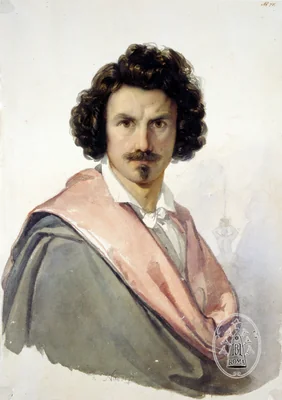
Franz Nadorp
Franz Johann Heinrich Nadorp (1793-1876) was a notable German painter whose professional identity became inextricably linked to the visual culture of Rome. While beginning his career in Germany, Nadorp eventually established his permanent residence in the Eternal City, positioning himself as one of the key Northern European artists drawn south by the promise of classical history and inspirational light during the early nineteenth century. This decision placed him firmly within the orbit of the German Romantic tradition and the specialized circle of Nazarene artists who prioritized meticulous observation and draftsmanship.
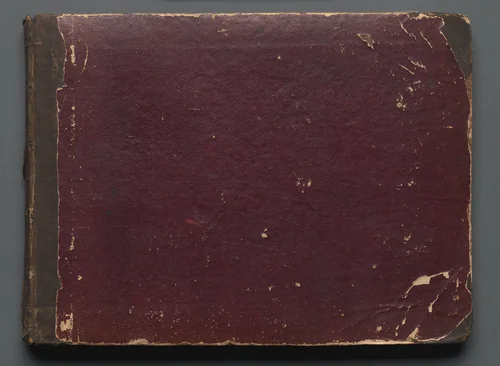
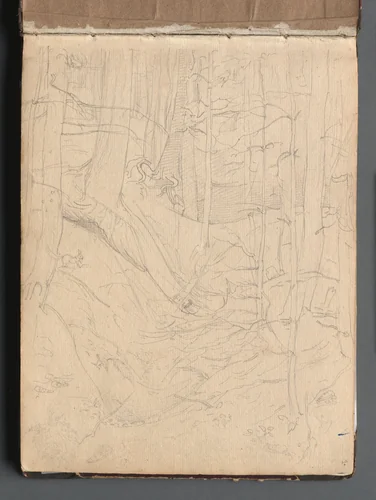
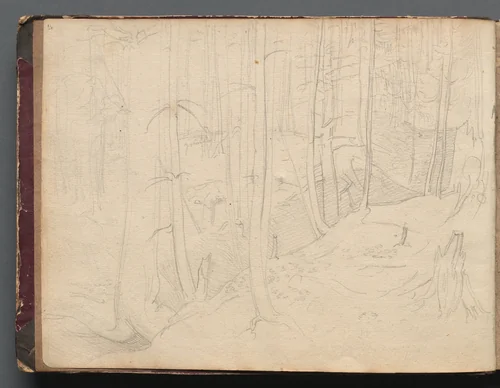
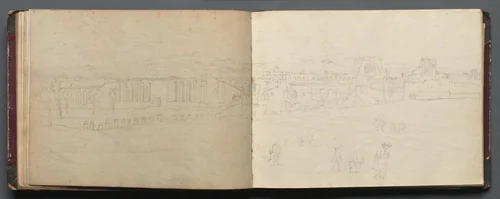
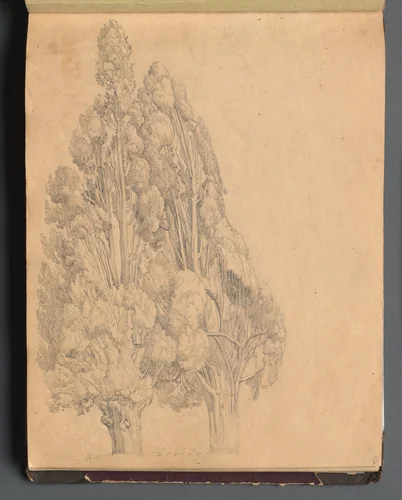
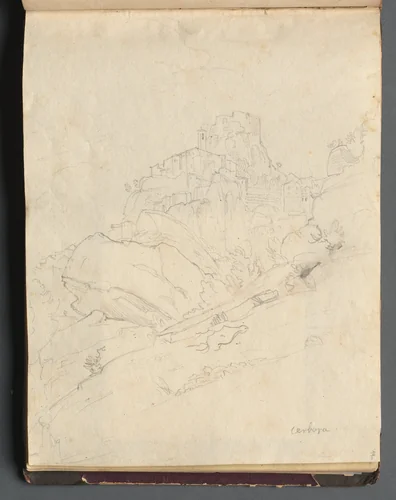
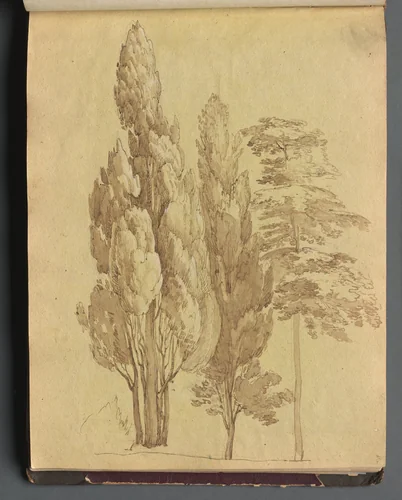
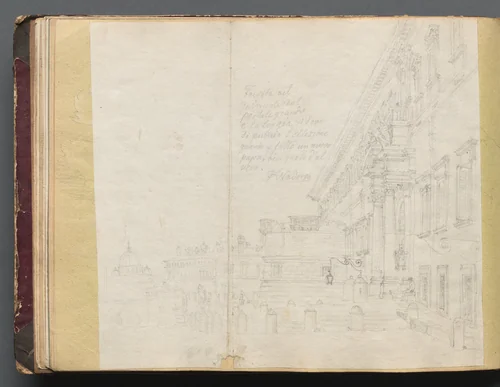
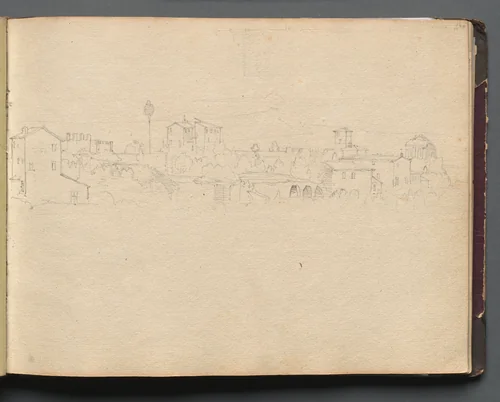
Nadorp’s working method favored the creation of detailed observational studies, often compiled into extensive albums rather than translated into large-scale finished oil paintings. This dedication to draftsmanship proved prolific; documentation indicates the production of fifteen distinct books of studies. These volumes provide an invaluable record of the specific sites, architecture, and topographical features that captured the imagination of early Romanticism.
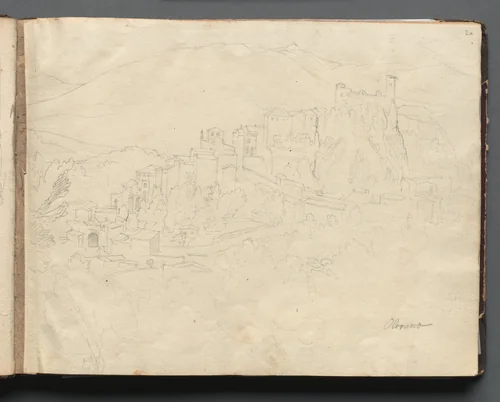
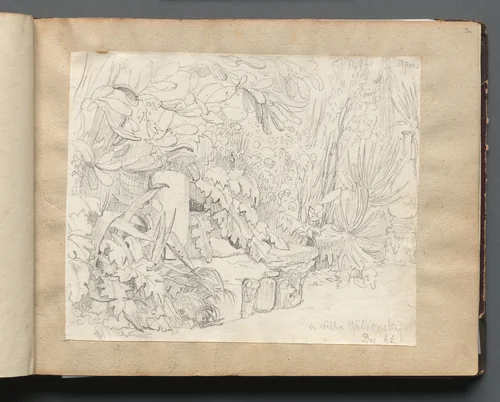
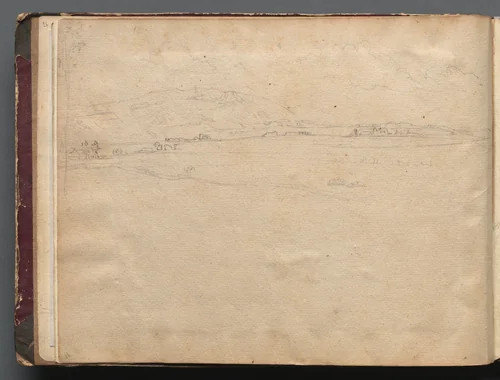
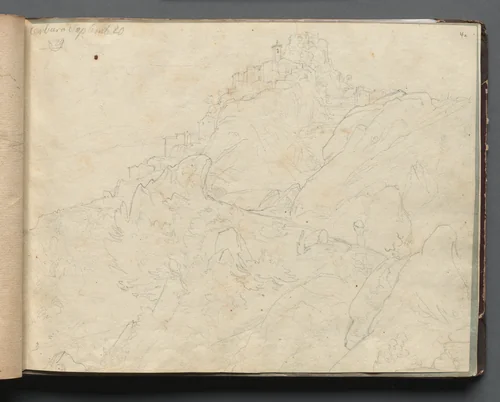
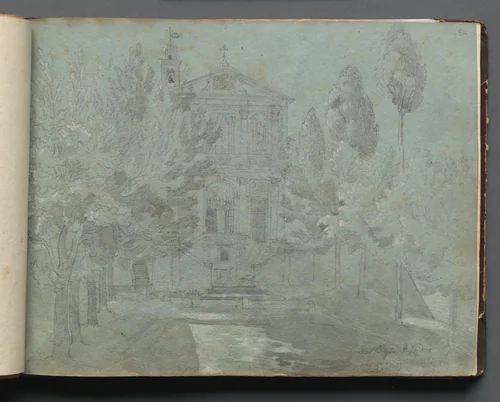
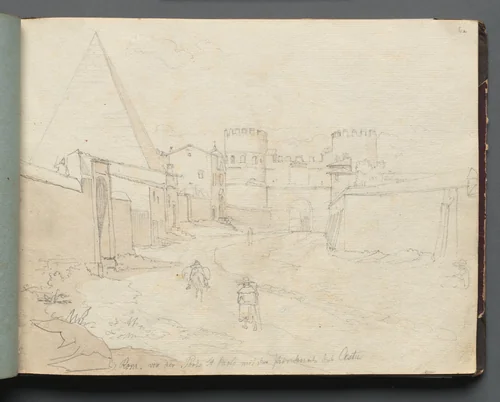
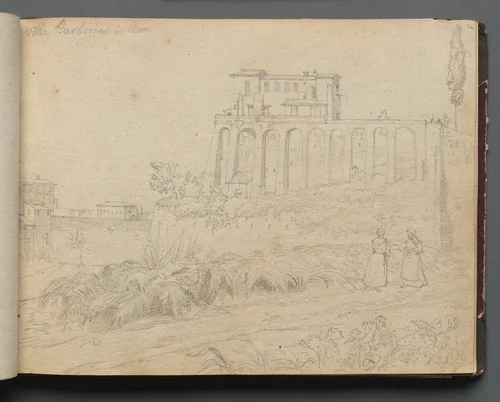
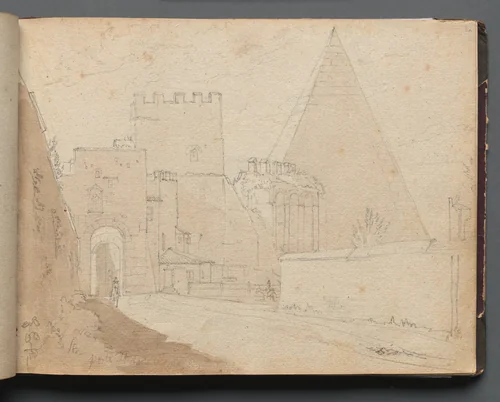
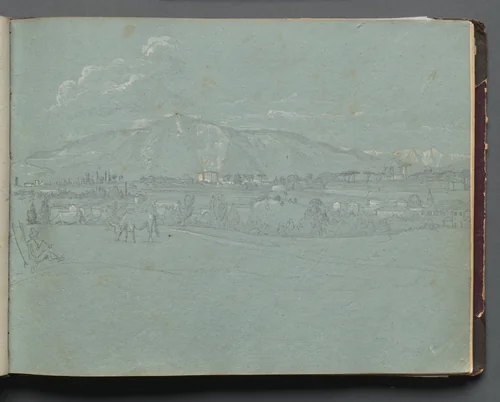
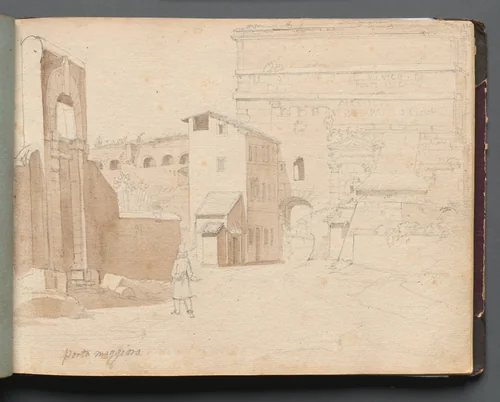
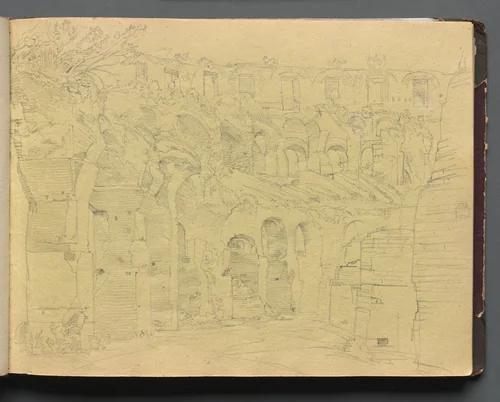
His output focused heavily on views of Rome and its surroundings, particularly the scenic area known as the Campagna Romana. Preserved studies documenting this period are held in major institutional collections, including the Cleveland Museum of Art. The albums contain highly specific location renderings, such as those titled "Olevano" and intimate views like "In villa Walkonsky," demonstrating his profound engagement with the landscape. Nadorp’s studies, including numerous untitled Roman Landscape pages, capture the interplay of light and ancient ruins with a clear precision that elevates them beyond mere preparatory work.
His commitment to these detailed recordings ensures his enduring relevance. For enthusiasts of nineteenth-century European draftsmanship, access to high-quality prints derived from these original documents offers a tangible connection to the period. Due to the age of his production, many of Franz Nadorp paintings and drawings are now in the public domain, ensuring this valuable historical record is preserved as museum-quality and often available as downloadable artwork for scholarly review. Nadorp remains a compelling figure, representing the foundational German belief that true artistic education required prolonged residence amidst Italy’s ruins—a commitment he underscored by remaining a permanent, quiet fixture of the Roman art scene for the majority of his adult life.
Source: Wikipedia · CC BY-SA 4.0