Franz Marc
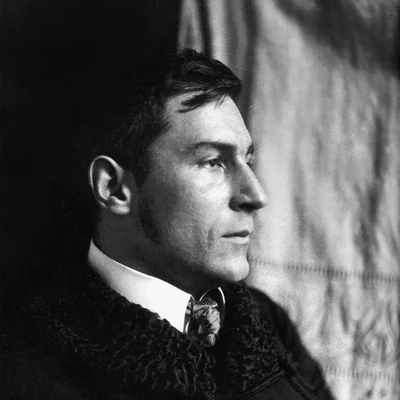
Franz Moritz Wilhelm Marc stands as one of the pivotal intellectual and artistic figures of early German modernism. Born in 1880, his brief but influential career was central to the formation of German Expressionism and the radical redefinition of painting in the years leading up to the First World War. His significance is immediately established by his role as a founding member of Der Blaue Reiter (The Blue Rider), an artistic journal and subsequently, a circle of collaborating artists whose aesthetic principles profoundly challenged traditional notions of representation.
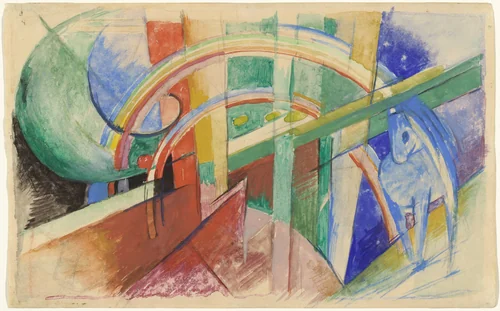
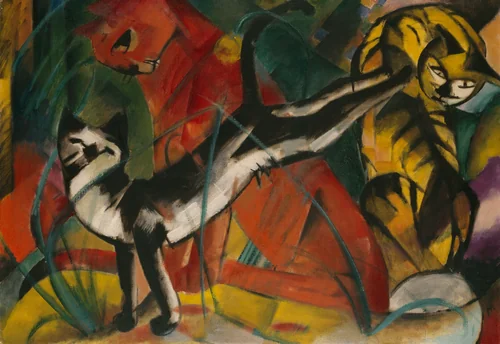
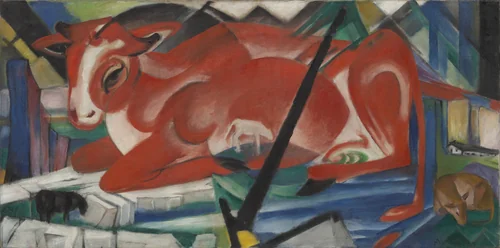
Marc dedicated his career to spiritualizing the material world, moving beyond surface appearances to reveal the innate energies of nature. He famously utilized animal forms, translating their internal states into a chromatic system: blue symbolizing the masculine or spiritual principle, yellow the feminine joy, and red the material violence. This systematic approach distinguished his work from his contemporaries, positioning him as a theorist as much as a painter.
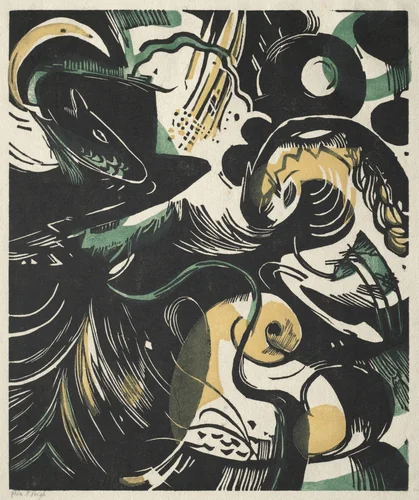
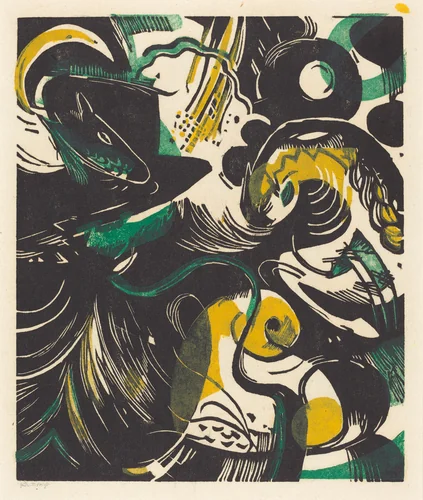
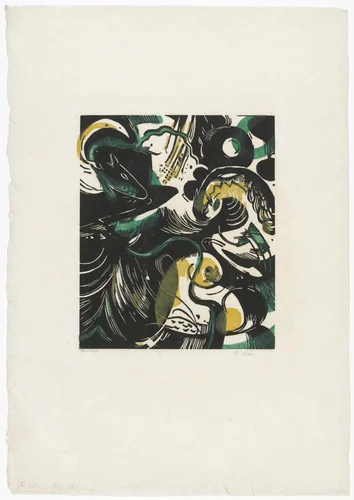
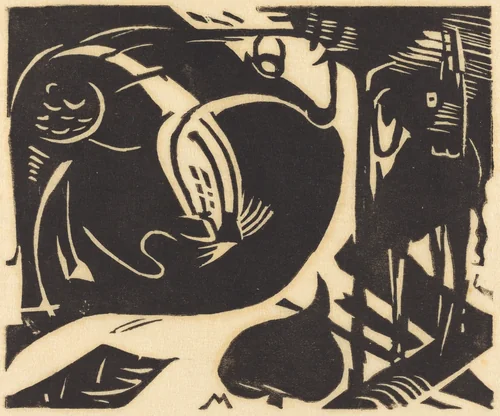
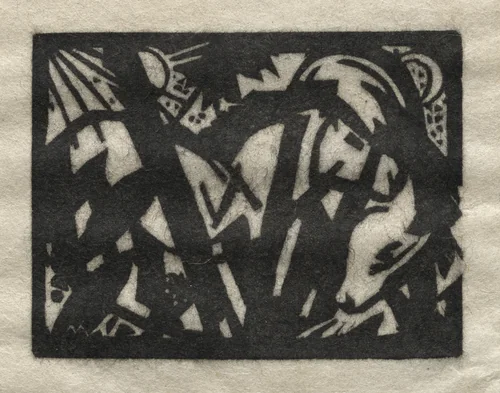
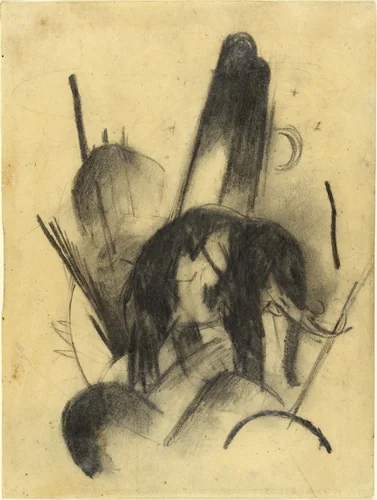
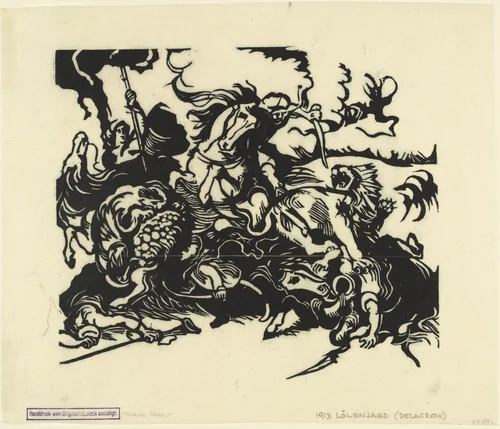
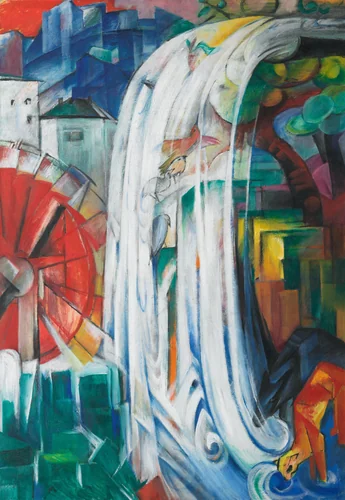
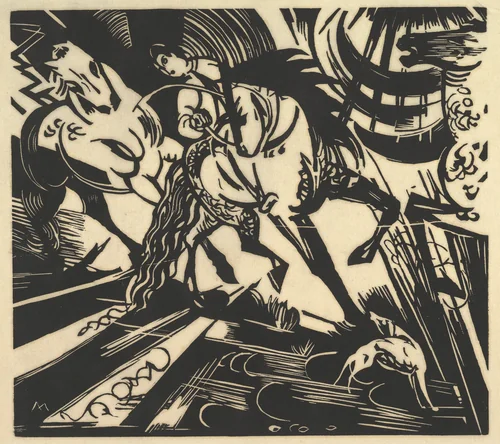
While best known for his large, dynamic Franz Marc paintings, Marc was also a prolific graphic artist. The active period of his production, roughly 1901 to 1912, generated not only his most iconic canvases but also a substantial body of graphic work, including twelve distinct prints and one illustrated book documented in extant records. These pieces often took the form of deeply personal bookplates (Ex Libris), such as the intricately detailed Exlibris Daniel Pesl I and Ex Libris Paul Marc I. These high-quality prints showcase the artist’s precise draughtsmanship and capacity to convey symbolic weight even within the confines of miniature formats.
Today, due to the temporal scope of his work, many of his early graphic pieces are available in the public domain. His tragically early death at Verdun in 1916, at the age of 36, ensured that his legacy remains that of a visionary whose commitment to abstraction and color theory shifted the trajectory of German art, even as his explorations were cut short. The intensity of his focus during a mere decade of sustained creativity remains a powerful testament to his artistic drive.
Source: Wikipedia · CC BY-SA 4.0
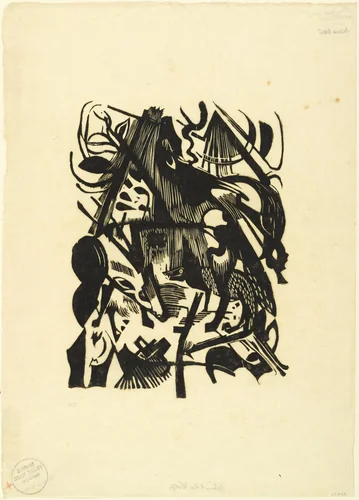
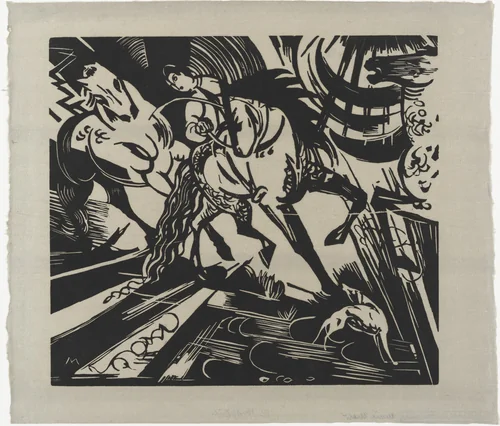
![Creation I from the portfolio "New European Graphics, Portfolio III: German Artists" [Schöpfungsgeschichte I from the portfolio Neue Europäische Graphik III: Deutsche Künstler] by Franz Marc, print, 1914](https://img.artbee.org/0b92f1d8-0b8a-44a7-86cc-35ec6afd66e5/small.webp)