Franz Ludwig Catel
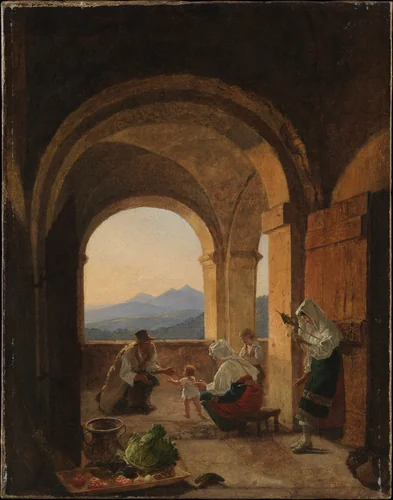
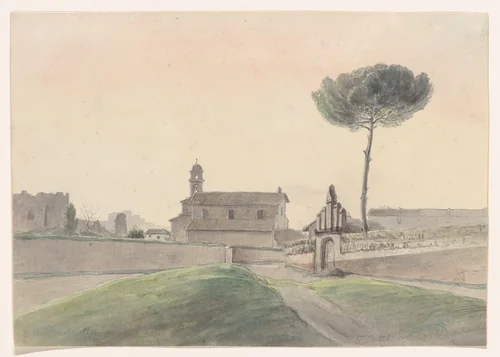
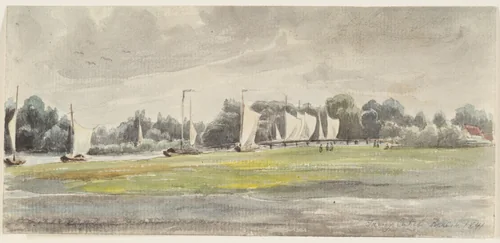
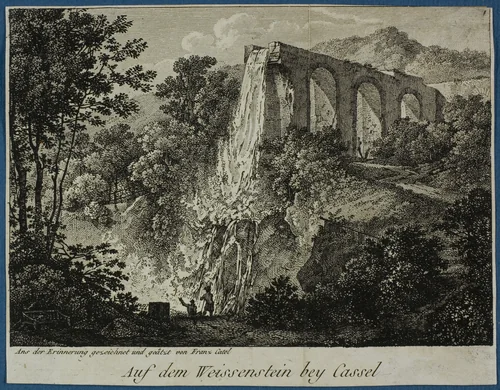
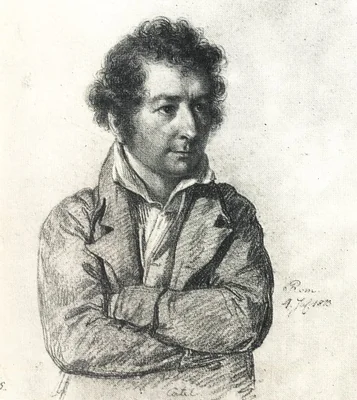
Franz Ludwig Catel (1778-1856) stands as a compelling figure within the nexus of German Romanticism and Italian Classicism. Although born in Berlin, Catel anchored his entire mature career in Rome, becoming an integral voice in the artistic interpretation of the Italian peninsula during the pivotal years between 1815 and 1880. His artistic output comprises a refined series of paintings, drawings, and prints that expertly capture the enduring visual fascination of the Grand Tour for emerging European patrons.
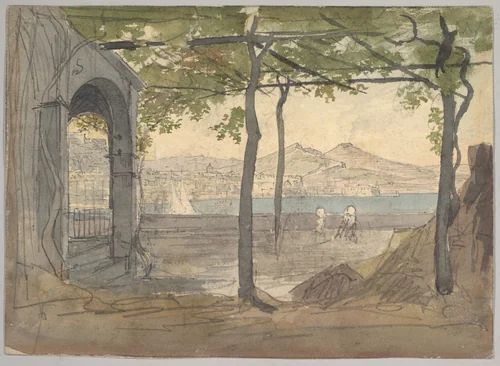
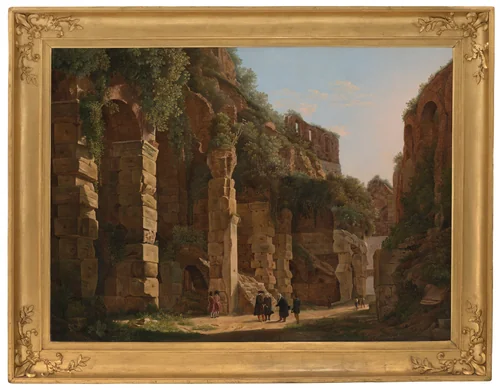
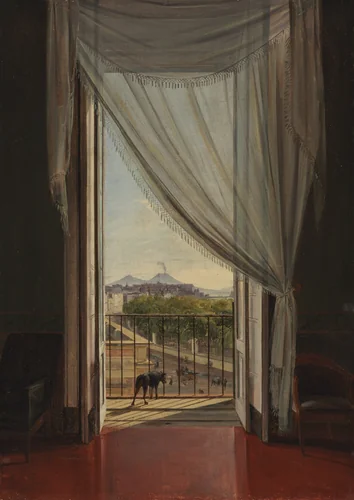
Catel specialized in the veduta, or detailed topographical view, often focusing on subjects that allowed for dramatic interplay between classical architecture, natural drama, and the sublime effects of Southern light. Works such as View of the Bay of Naples with Mount Vesuvius and the evocative Inside the Colosseum demonstrate his mastery of complex composition and atmospheric rendering. Unlike some of his German contemporaries who favored grand, allegorical landscapes, Catel often grounded his scenes with meticulous, sometimes almost intimate, human elements. In A View of Naples through a Window, for instance, the intense clarity of the exterior view is skillfully framed by the quiet, shadowed architecture of the interior—a technique that highlights his interest in the private, contemplative experience of place. This dedication to highly specific locales resulted in Franz Ludwig Catel paintings that were greatly sought after by European travelers.
The long span of his active career, covering nearly seven decades, testifies to Catel’s enduring relevance as the taste shifted from strict Neoclassicism toward the greater emotional range of Romanticism. His technical precision ensured that many of his drawings and refined high-quality prints survive, offering profound insight into the visual culture of nineteenth-century Rome. Today, his works are housed in significant international collections, including the Metropolitan Museum of Art, the Art Institute of Chicago, and the Cleveland Museum of Art, confirming his central role in the history of European landscape painting. Many of his compelling images are now available as downloadable artwork, ensuring that the details of his masterful draftsmanship remain accessible globally.
Source: Wikipedia · CC BY-SA 4.0