Franz Kobell
Franz Kobell was a pivotal German draftsman, painter, and etcher whose prolific career spanned the first two-thirds of the eighteenth century (c. 1700-1766). While he was active as a painter, his enduring reputation rests significantly on his dynamic and expressive approach to drawing, a medium in which he created a substantial body of work, estimated at least fifteen known extant examples. His detailed studies and finished cabinet pieces reveal a sophisticated understanding of atmospheric perspective and structural composition, securing his place among the foremost German graphic artists of the period.
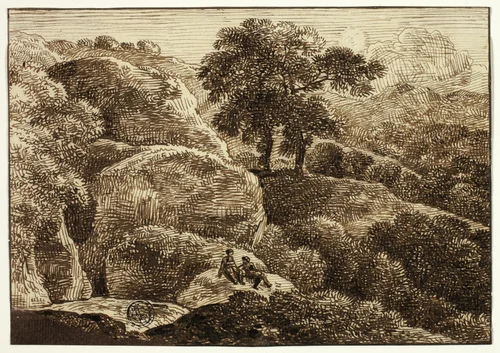
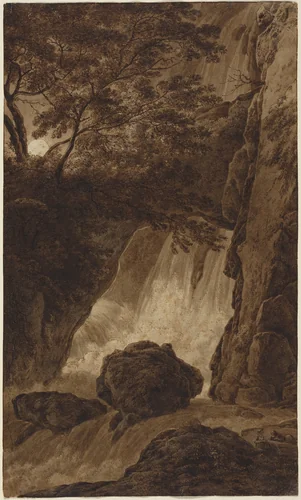
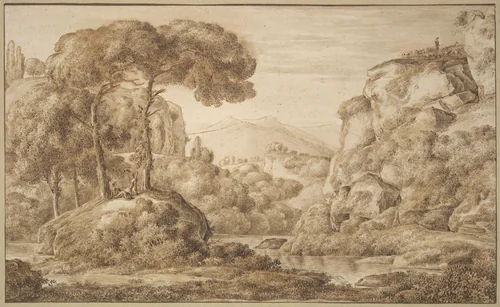
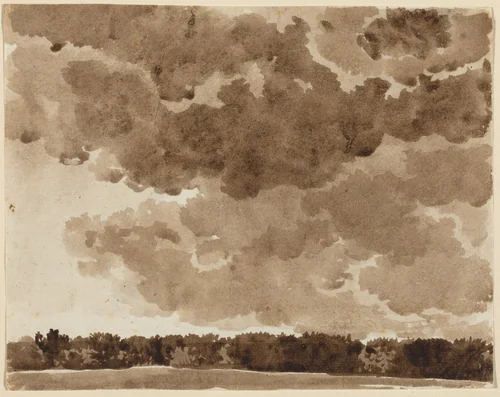
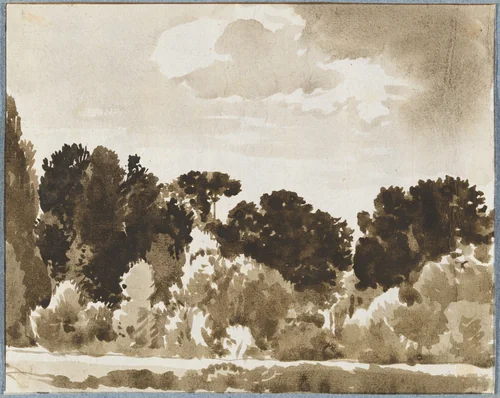
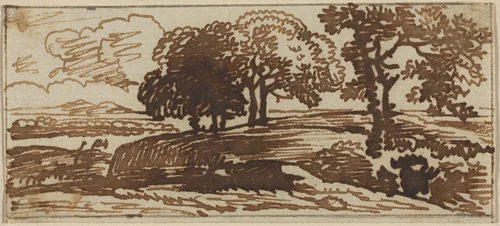
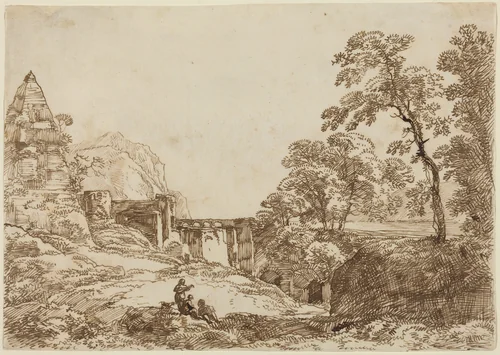
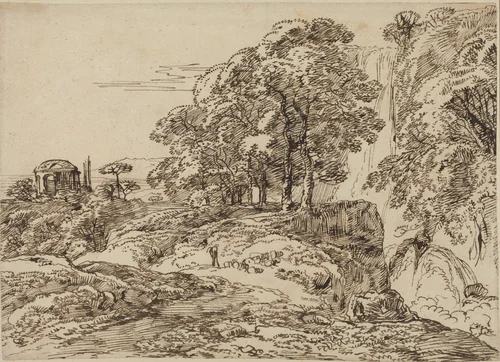
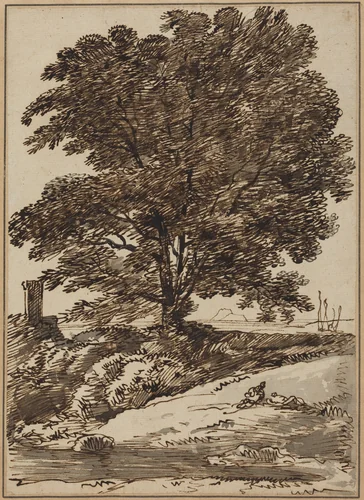
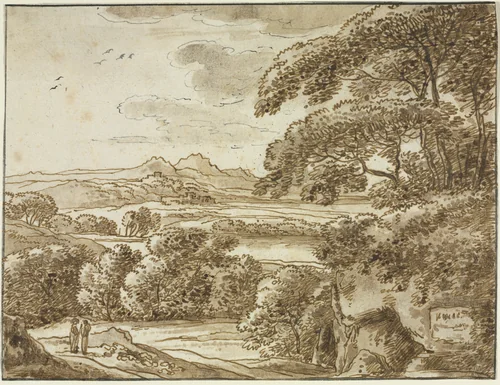
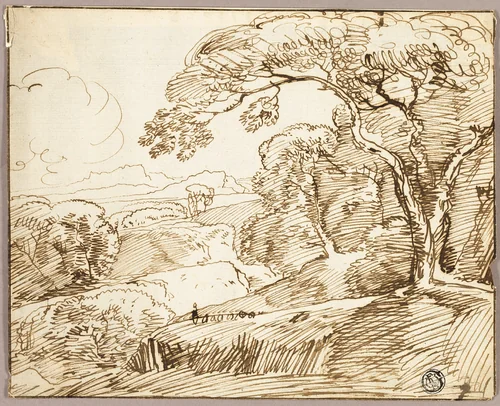
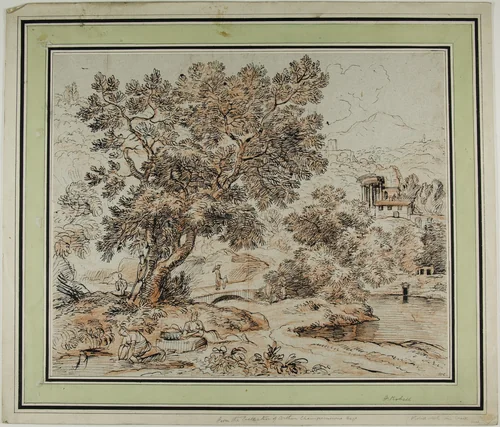
Kobell’s artistic achievements are heavily concentrated in the landscape genre. He was particularly drawn to capturing dramatic or unusual lighting conditions, as evidenced by compositions such as A Waterfall by Moonlight, where he demonstrates technical facility in rendering depth using stark contrasts. His output often oscillates between detailed, observational records and imagined classical scenes, such as Classical Landscape with Figures, where figures are used primarily as staffage to establish scale and narrative context. A frequent subject was the elemental power and caprice of nature, exemplified by the rapid sketch quality of works like Clouds over a Forest. It seems Kobell possessed a particular pleasure in rendering the transient effects of weather, valuing movement and immediacy over static classical perfection.
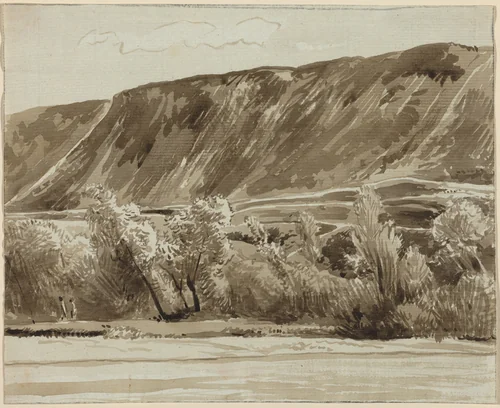
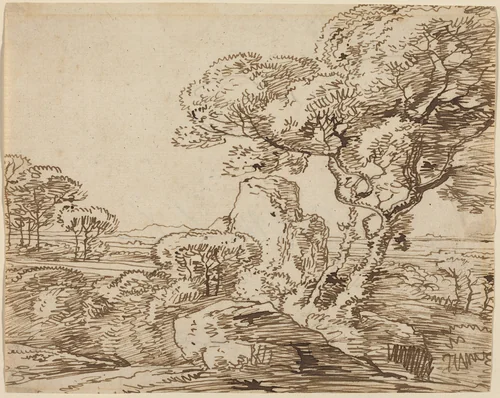
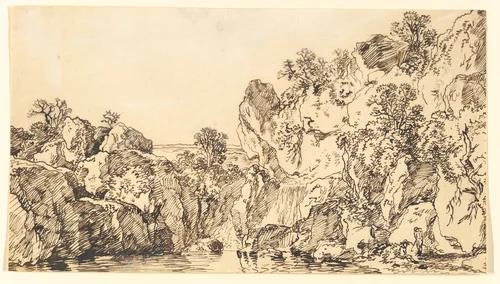
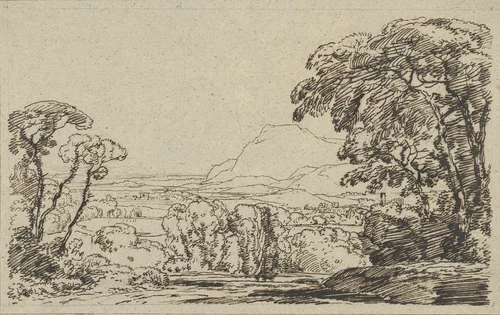
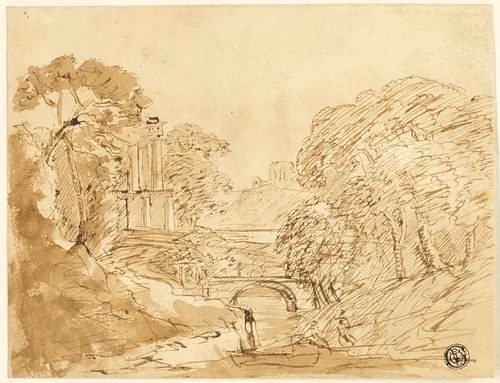
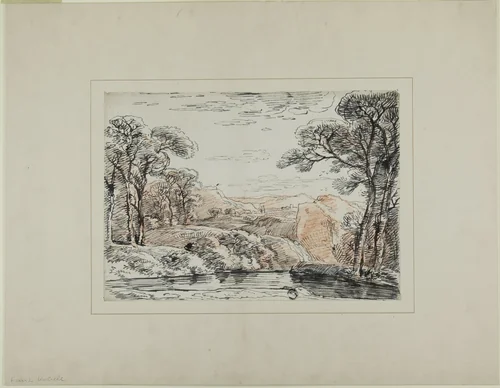
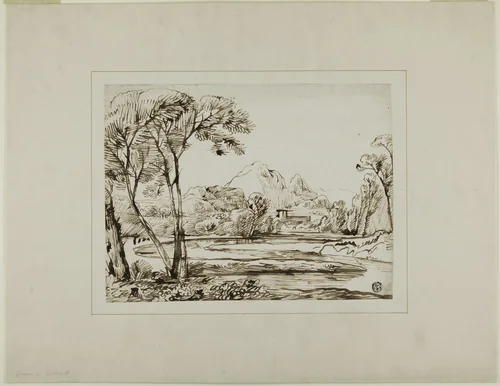
The survival of numerous Franz Kobell prints and drawings confirms his importance. Many of his finest studies are recognized as museum-quality works in their own right, offering intimate glimpses into his compositional method, such as the detailed A River Bank with Mountains Beyond. His legacy is confirmed by the placement of his works in globally significant institutions, including the Metropolitan Museum of Art, the Rijksmuseum, and the Art Institute of Chicago. Fortunately for scholars and enthusiasts, a substantial number of these early modern drawings have entered the public domain, ensuring that this segment of eighteenth-century German art is widely available for study. This accessibility allows for the circulation of high-quality prints derived from these masterful originals.
Source: Wikipedia · CC BY-SA 4.0