Franz Joachim Beich
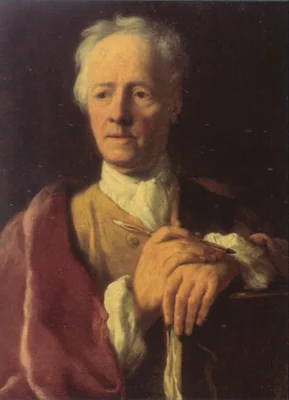
Franz Joachim Beich (1666–1748) was a prominent Bavarian painter and printmaker whose career spanned the final decades of the seventeenth century and beyond. Though his formal title was that of a court painter, his enduring artistic legacy rests significantly upon his meticulously rendered suites of prints, which established him as an important voice in Central European landscape documentation and interpretation during a period of significant geopolitical change.
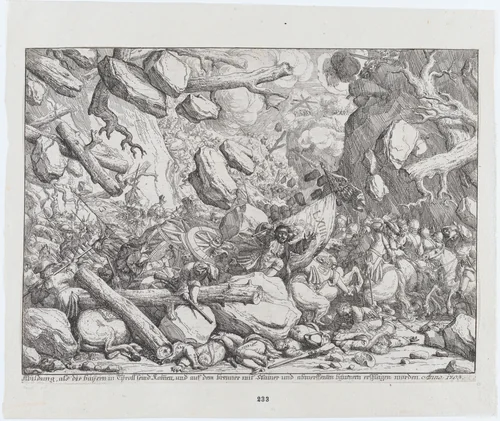
Active primarily between 1675 and 1695, Beich demonstrated mastery in two distinct pictorial modes. The first involved detailed, often dramatic topographical documentation of military campaigns and historical events, aligning his work with the established tradition of history painting. A definitive example of this approach is the print Maximilian Emanuel and the Bavarian Army in a Narrow Pass in the Tyrol, which expertly captures the rugged terrain and disciplined movement of the military forces. Such works function simultaneously as historical records and compelling compositional achievements.
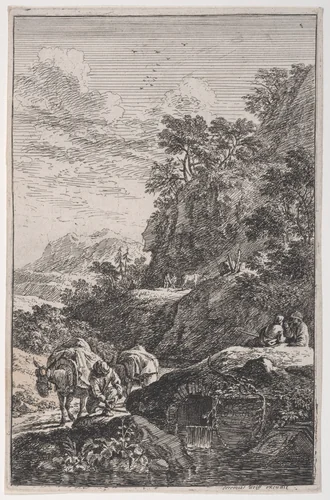
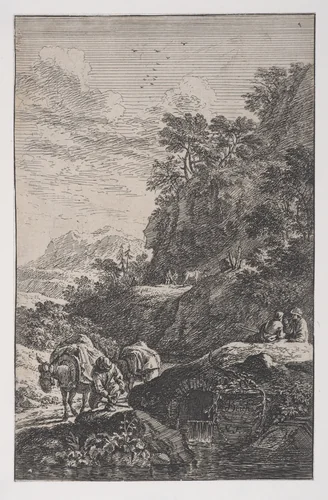
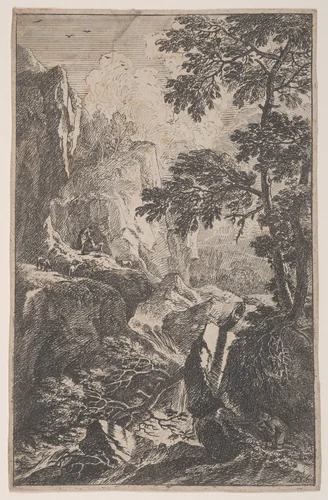
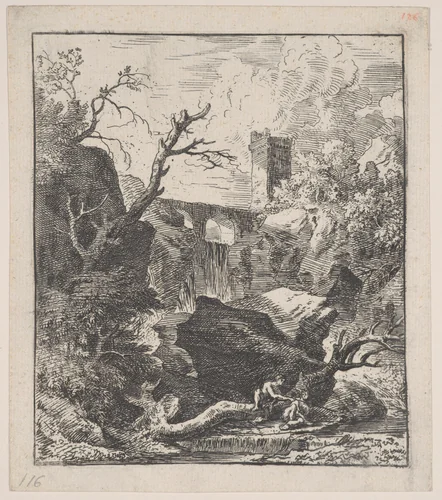
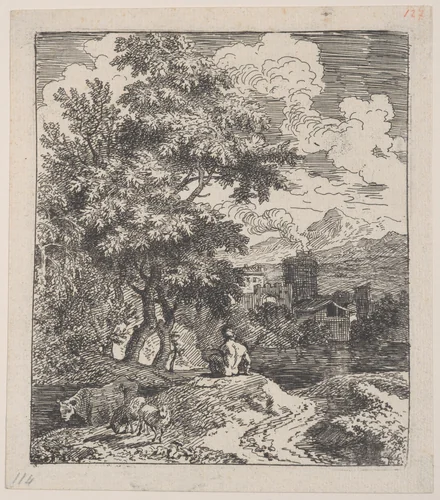
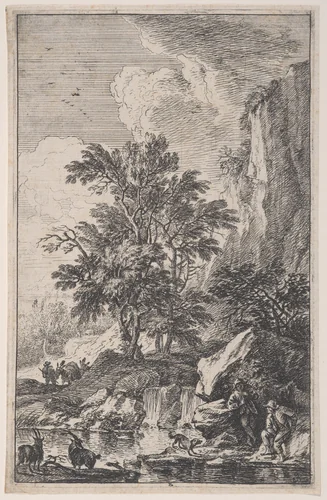
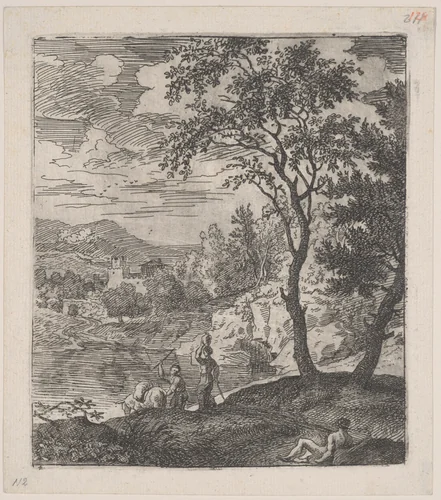
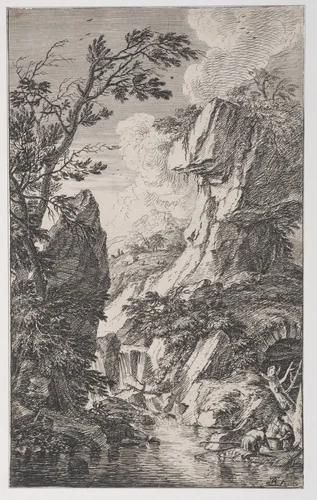
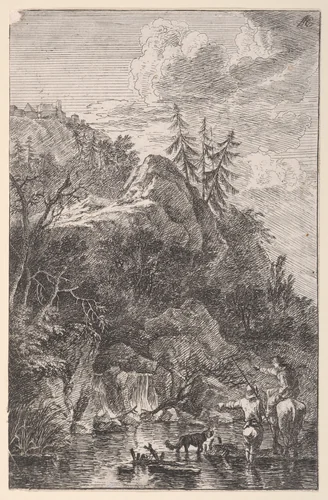
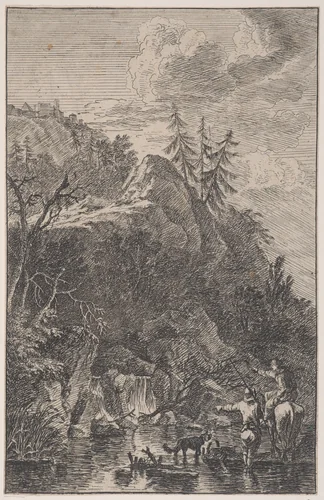
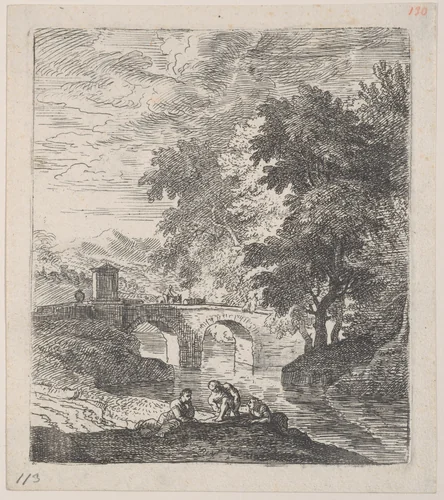
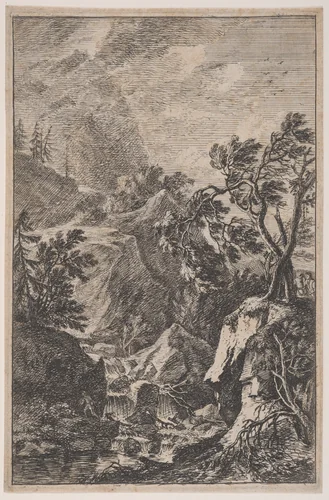
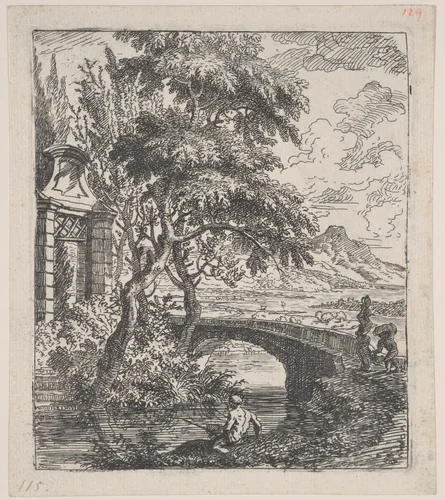
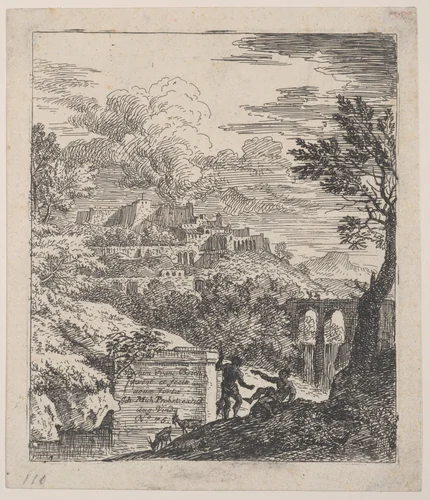
Beich's second, and perhaps more influential, contribution came through his extensive landscape print series. These works showcase his deft ability to absorb and channel the prevailing stylistic conventions of Italian masters, particularly through the use of high-quality prints that were widely circulated. His series Landscapes in the manner of Salvator Rosa (Die Landschaften in Sal. Rosa's) illustrates this aptitude, featuring dramatic, often tempestuous scenes populated by rustic figures, such as the initial plate depicting a peasant checking the hoof of his mule by a stream. Simultaneously, he channeled the highly classical, idealized vision of Gaspar Dughet, evidenced in works featuring Roman architectural elements like aqueducts and ruins, effectively serving two dramatically different aesthetic appetites simultaneously.
It is this precise versatility—the ability to pivot between the immediate demands of military documentation and the romantic escapism of borrowed Italianate styles—that defines Beich’s subtle historical importance. Today, examples of Franz Joachim Beich prints are housed in major international holdings, including the collection of the Metropolitan Museum of Art. Because his output utilized print media, much of his work has entered the public domain, allowing contemporary audiences to access and study high-quality prints and downloadable artwork that define the late Baroque Bavarian aesthetic.
Source: Wikipedia · CC BY-SA 4.0