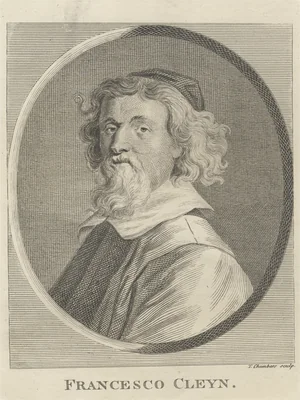
Franz Cleyn
Franz Cleyn was a pivotal figure in seventeenth-century visual culture, successfully navigating the transition between continental studios and the burgeoning art market in England. Though German-born, his principal career was forged in England, where his skill spanned painting and, most critically, industrial design for textiles. His active period, roughly 1621 to 1650, placed him at the heart of major courtly commissions.
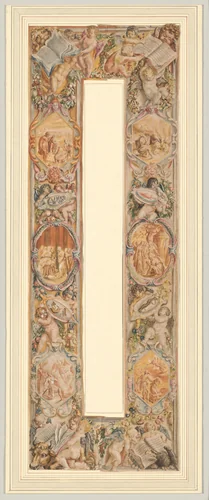
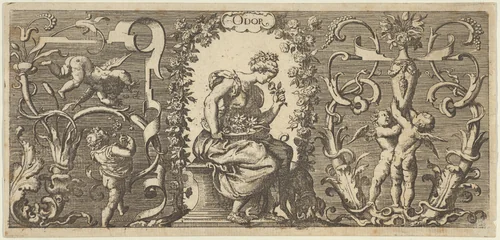
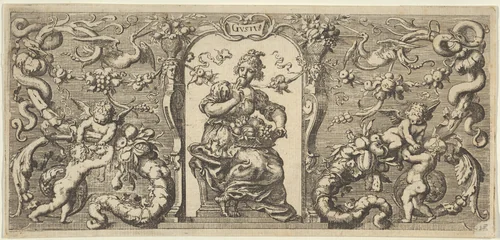
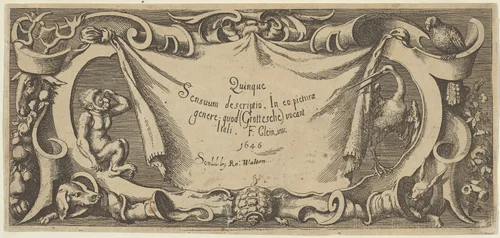
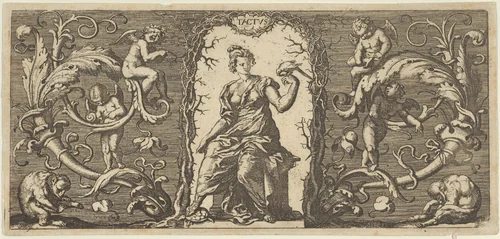
Cleyn’s most enduring influence is rooted in his work for the Mortlake Tapestry Works, then the premier facility for luxury textile production in Britain. He was instrumental in designing the crucial decorative elements and borders for the firm’s major cycles. A prime example is his contribution to the elaborate Border Designs for the Mortlake "Acts of the Apostles" Tapestries, where his meticulous drawings provided the necessary visual weight and structure expected of museum-quality state commissions. His versatility is confirmed by the range of extant material, including both preparatory drawings and final Franz Cleyn prints.
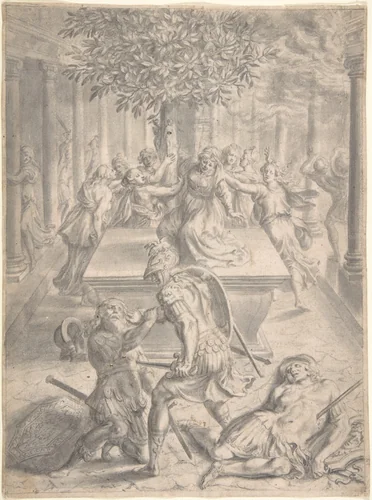
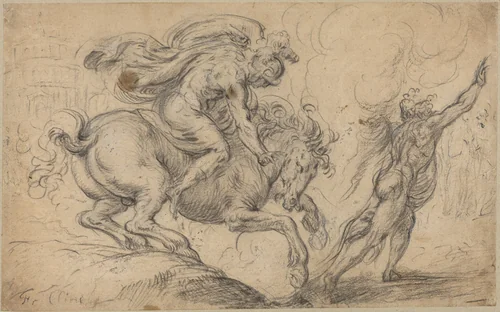
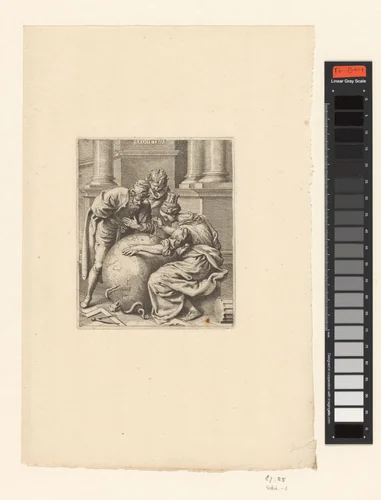
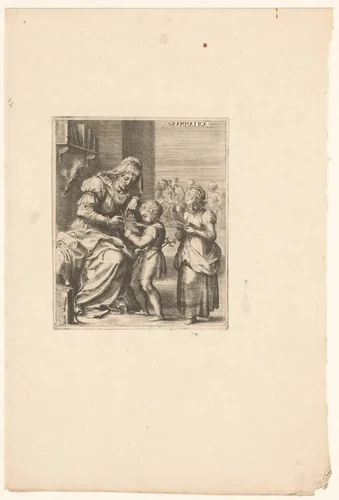
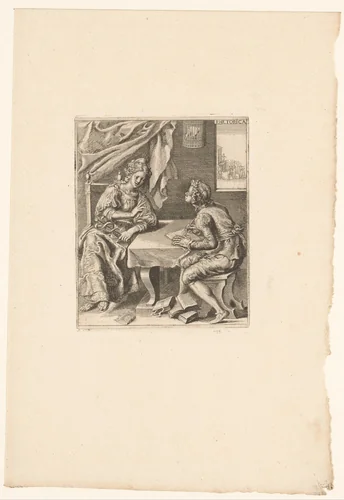
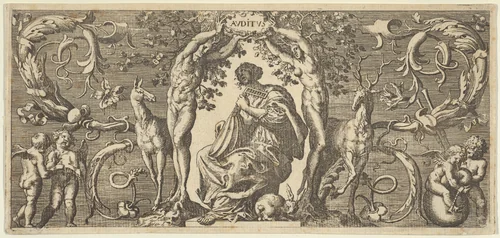
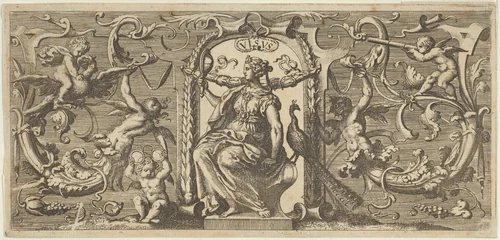
The collection of his surviving work, represented today by nine prints and three drawings held in prominent institutions like the Metropolitan Museum of Art and the Rijksmuseum, demonstrates a high degree of classical engagement. While perhaps best known for grand mythological and historical scenes, such as the dramatic The Sack of Troy: Pyrrhus Killing Priam or the Roman exemplum The Sacrifice of Marcus Curtius, Cleyn was equally adept at illustrating abstract concepts. The fact that the same hand produced precise allegorical studies like Geometrica and Grammatica suggests a mind equally comfortable with battlefield dynamism and intellectual rigor, a rare combination indeed for a designer whose primary medium was often silk and wool.
His legacy is preserved not only in the grand, often royal, textiles he designed but also in the detailed preparatory studies and high-quality prints that proliferated across Europe. Today, many of his graphic designs are available in the public domain, ensuring that this important designer's sophisticated contribution to decorative arts continues to be studied and appreciated long after the great looms of Mortlake fell silent.
Source: Wikipedia · CC BY-SA 4.0