Franz Anton Maulbertsch
Franz Anton Maulbertsch (1724-1785) is arguably the definitive Austrian master of the late 18th century, established as one of the most renowned exponents of Rococo painting across the German and Hungarian territories. His prolific output, which spanned both grand fresco cycles and intimate graphic works, defined the energetic, final expression of the Central European Baroque tradition just as Neoclassicism began to ascend.
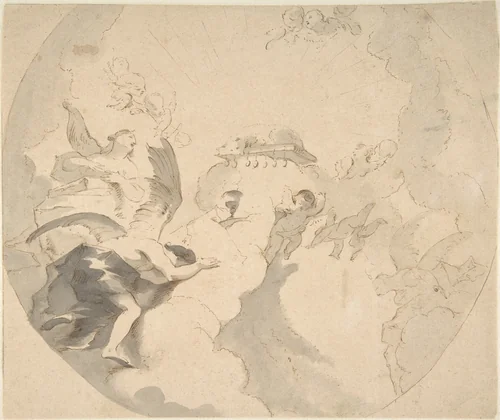
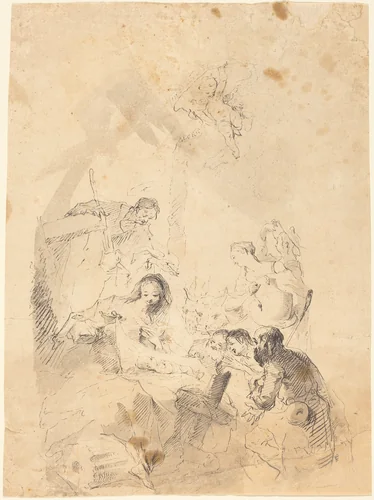
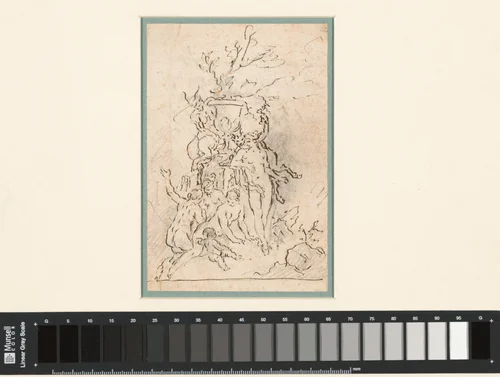
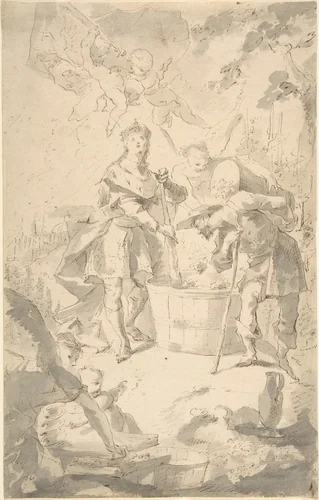
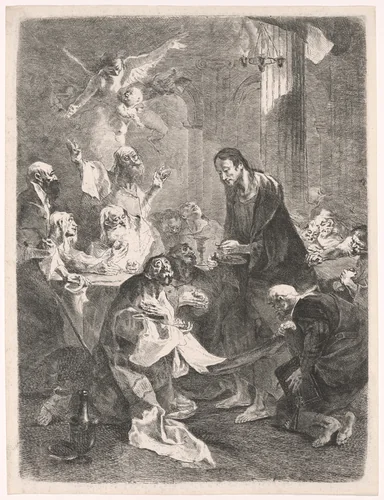
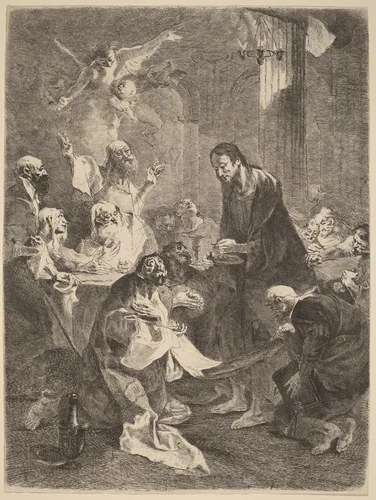
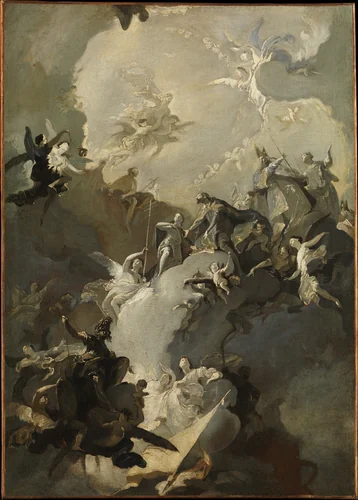
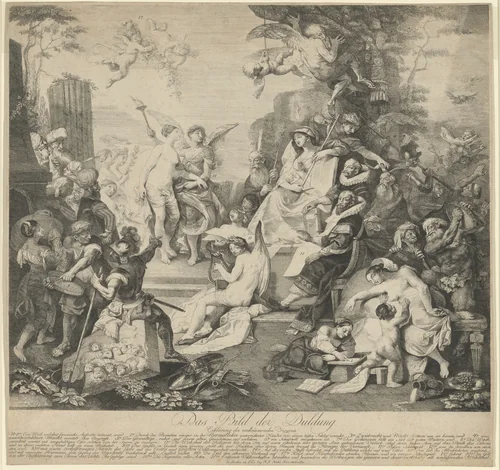
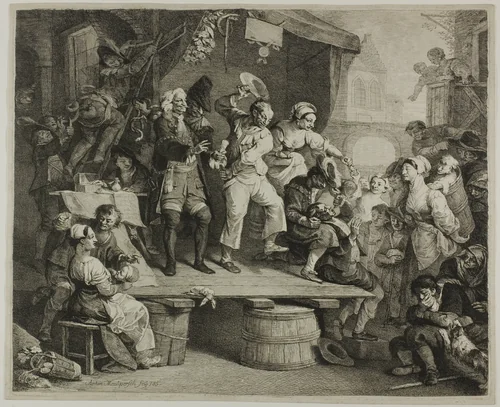
Though celebrated for monumental commissions, Maulbertsch maintained a vital practice in drawing and etching, areas where the kinetic energy of his design is most apparent. His style is characterized by a radical deployment of light, which he used less for conventional illumination and more as a dynamic force to dissolve solid form, resulting in figures defined by flickering contours and dramatic chiaroscuro. This technical daring is evident in works such as The Adoration of the Shepherds and the mythological scene Nimfen en saters opgesteld rondom een siervaas. The resulting effect is often restless and highly expressive, distinguishing the expansive corpus of Franz Anton Maulbertsch prints.
This intense visual language frequently placed the artist at a historical and stylistic crossroads. His willingness to sacrifice measured classical modeling for raw dramatic effect hints at an almost proto-Romantic temperament, a unique sensibility operating beneath the refined surface of the Rococo era. This internal urgency makes Maulbertsch a transitional figure whose innovations anticipate later expressive movements.
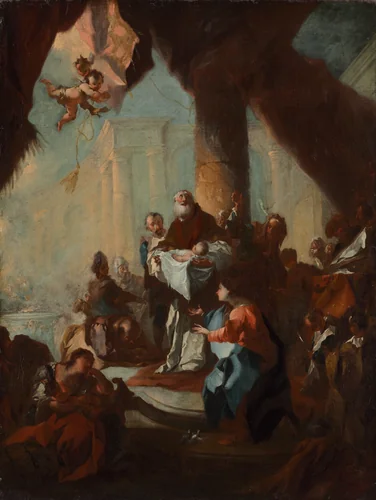
Today, Maulbertsch’s powerful contributions to European art are recognized globally. Significant Franz Anton Maulbertsch paintings and drawings, including preparatory sketches such as the Study for "The Presentation of Christ in the Temple" (for Saint Ulrich, Vienna), are held in prestigious institutions, including the National Gallery of Art, the Cleveland Museum of Art, and the Art Institute of Chicago. As a crucial figure in 18th-century graphic arts, much of his work has entered the public domain, allowing institutions and enthusiasts to access downloadable artwork and produce high-quality prints for study and display.
Source: Wikipedia · CC BY-SA 4.0