Franz Antoine
Franz Antoine (1815-1897) occupies a unique and compelling position within 19th-century visual culture, standing at the intersection of rigorous scientific methodology and the nascent technology of photography. Recognized globally for his seminal work in horticulture and botanical nomenclature—his identity fixed for posterity by the standard author abbreviation Antoine—it is a small, carefully preserved corpus of 15 photographs that redefines his legacy from pure scientist to perceptive visual historian.
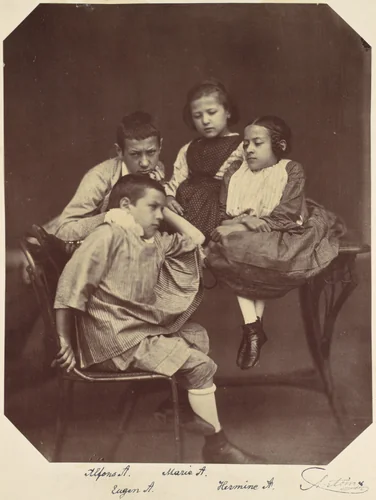
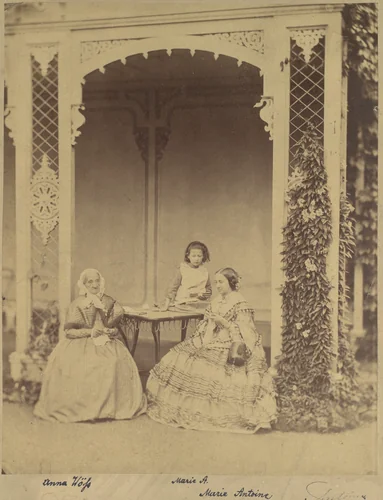
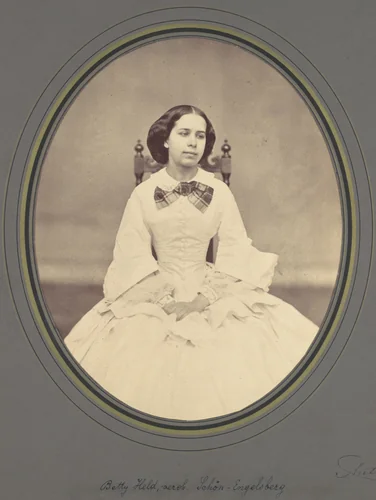
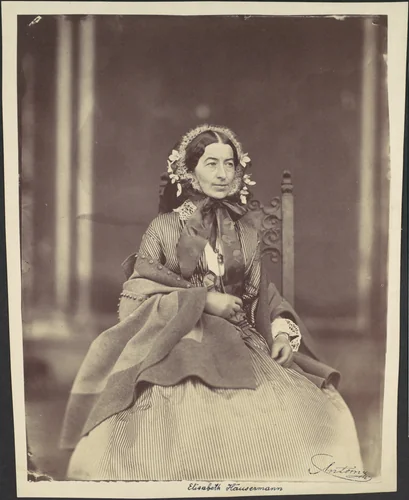
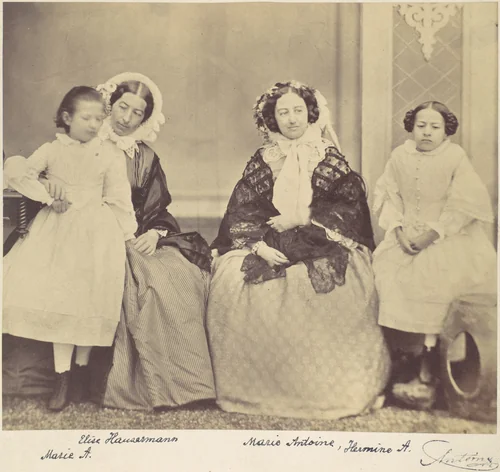
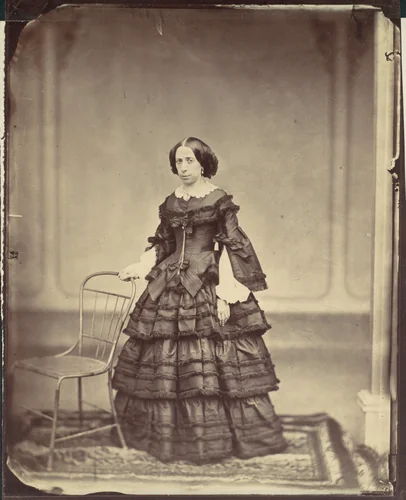
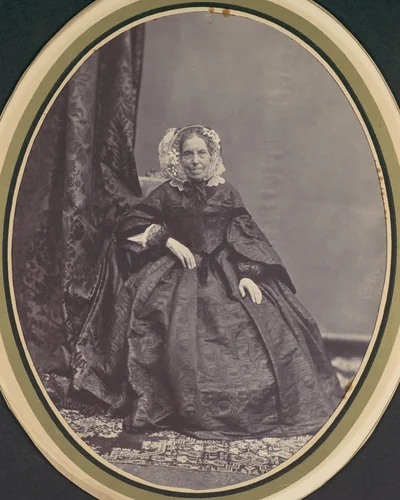
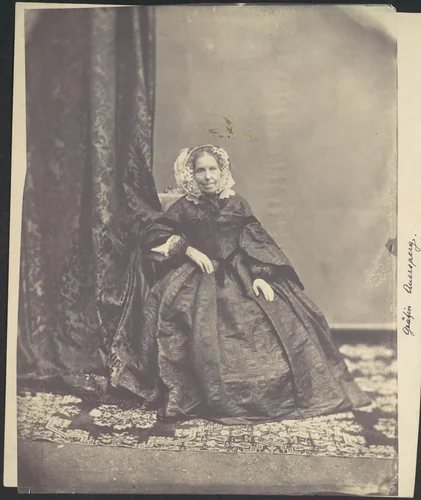
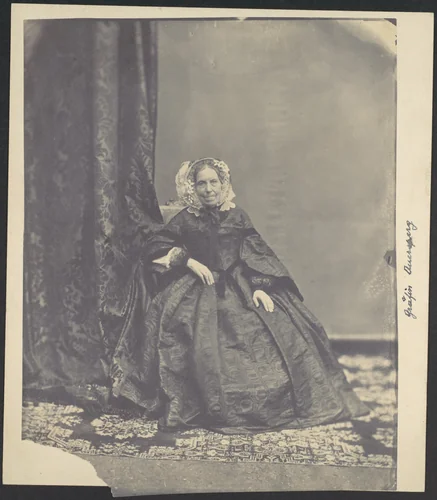
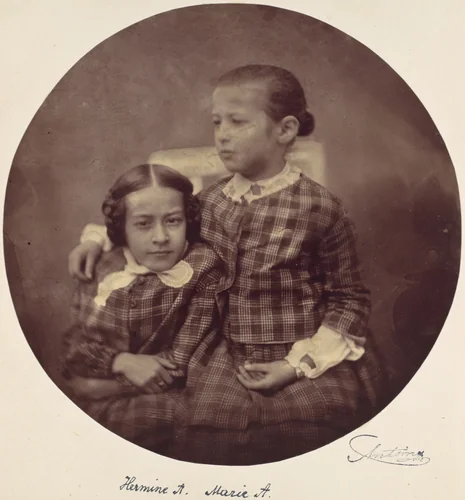
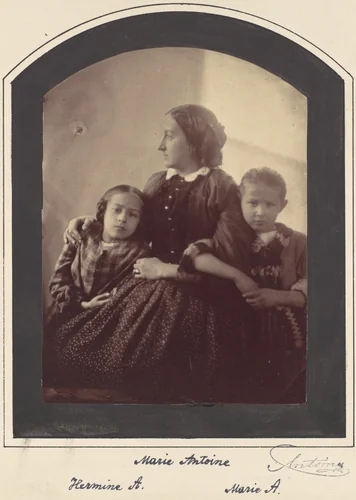
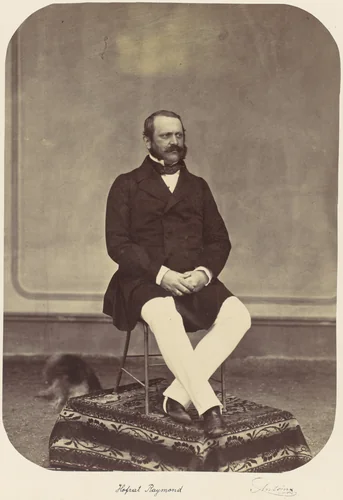
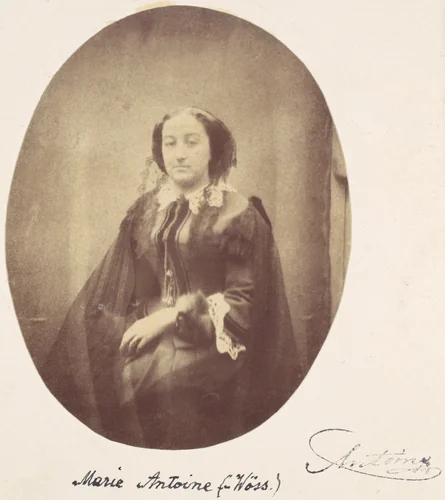
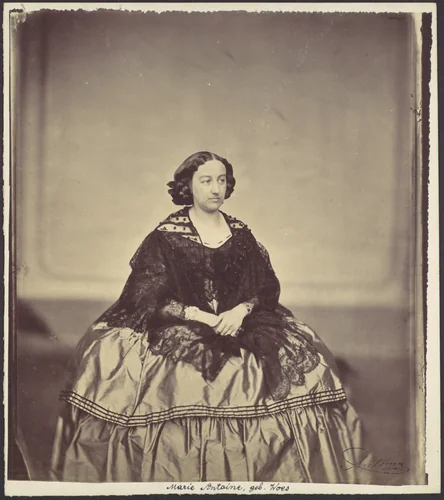
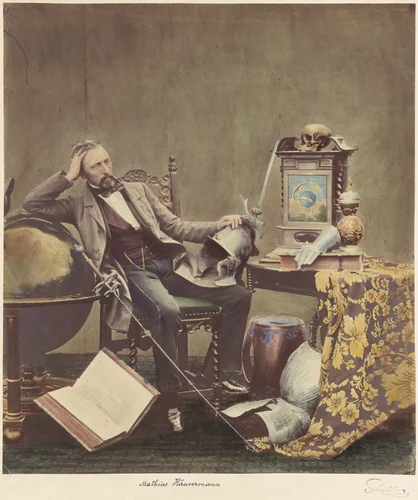
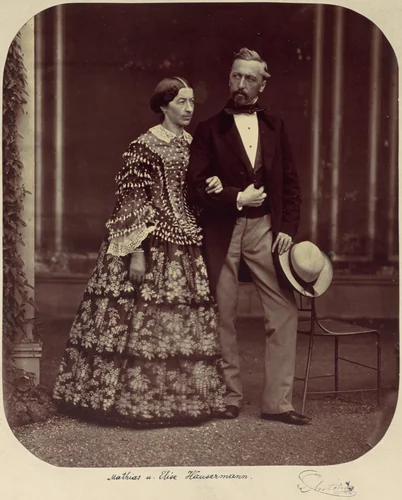
Active primarily around 1850, a crucial decade for the stabilization and refinement of photographic processes, Antoine’s images provide an intimate window into Viennese social life. Unlike many contemporaries who focused the lens on external landscapes or grand architectural projects, Antoine turned his camera inward, documenting family members, associates, and prominent figures within his circle. Works such as Anna Wöss, Marie and Marie Antoine and Elise Häusermann, Hermine, Marie and Marie Antoine demonstrate a compositional formality and technical precision that belie the works’ deeply personal subject matter. These compositions are marked by the clear, unforgiving detail inherent in early exposures, demanding an almost solemn stillness from their subjects.
Held in permanent collections, notably the Metropolitan Museum of Art, these museum-quality photographic works transcend mere domestic artifacts, serving as rare documentary evidence of mid-century life and costume. The surviving imagery suggests that Antoine approached the photographic plate with the same exacting standards he applied to botanical taxonomy; a meticulous arrangement of details defines each portrait. It is perhaps one of the subtle historical ironies that the man dedicated to charting the relentless growth and predictable classification of the natural world left behind visual records focused almost entirely on the fleeting, internal realities of the human condition.
Today, the work of Franz Antoine continues to attract scholarly attention. As these historic records have long since passed into the public domain, the precise detail of his early photographic practice is readily accessible. The sustained demand for Franz Antoine prints reflects a growing appreciation for the foundational practitioners of the medium, ensuring that these rare portraits, available now as high-quality prints, remain vital historical touchstones.
Source: Wikipedia · CC BY-SA 4.0
![[Female Portrait, Standing, Looking Left] by Franz Antoine, photograph, 1850-1869](https://img.artbee.org/3c726dfd-7bc6-4f39-bdac-517cfe4772fe/small.webp)
![[Group Portrait of Five Adults and Two Children in a Garden] by Franz Antoine, photograph, 1850-1869](https://img.artbee.org/37bd1f5b-d691-488c-8580-941efe016c4a/small.webp)
![[Group Portrait of Four Women and Three Children] by Franz Antoine, photograph, 1850-1869](https://img.artbee.org/676a7587-91e0-4ff6-afce-1e1afee0df49/small.webp)