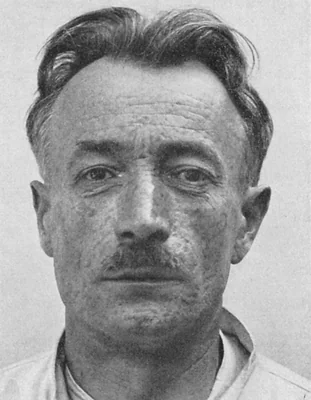
František Kupka
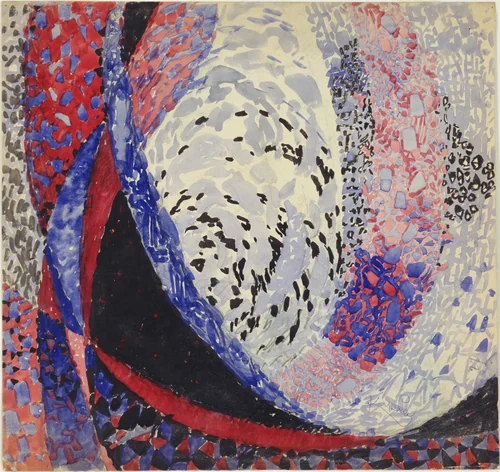
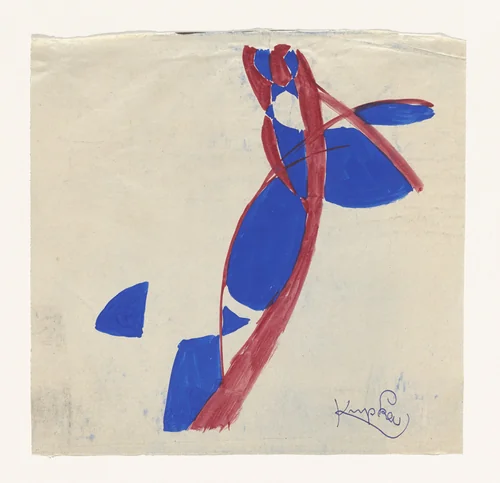
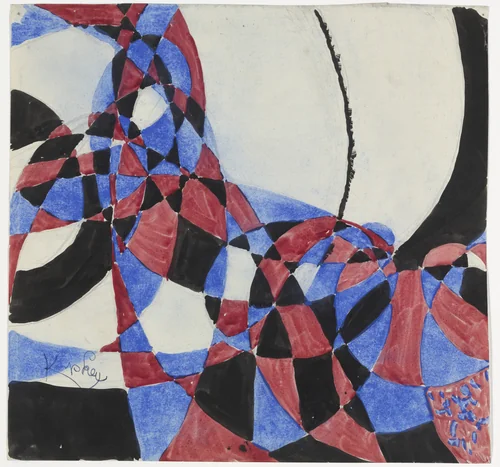
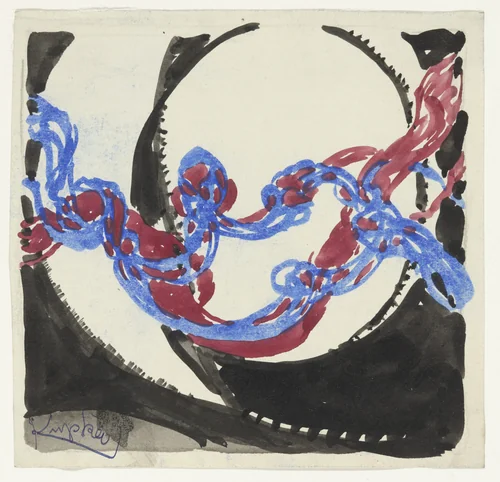
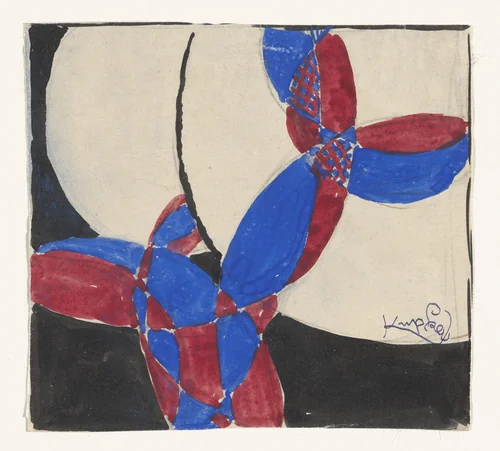
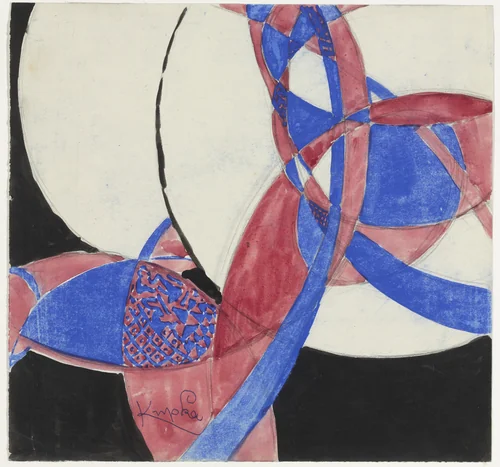
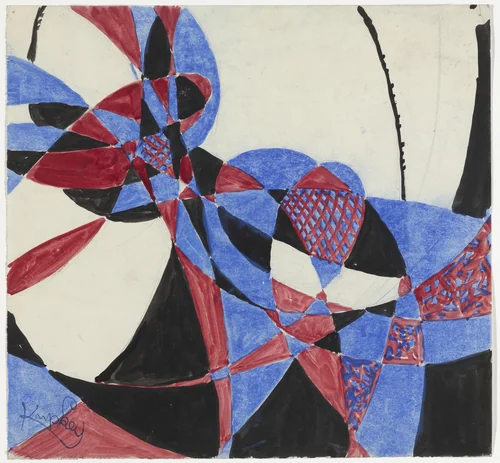
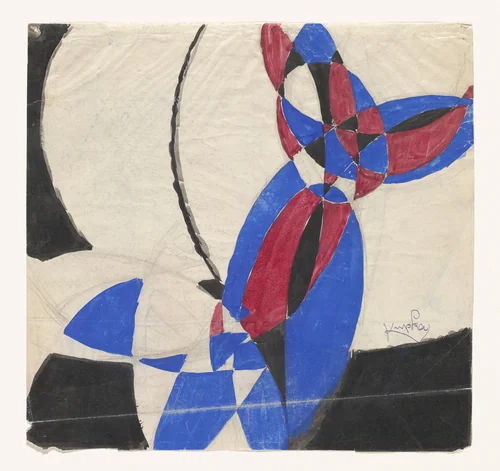
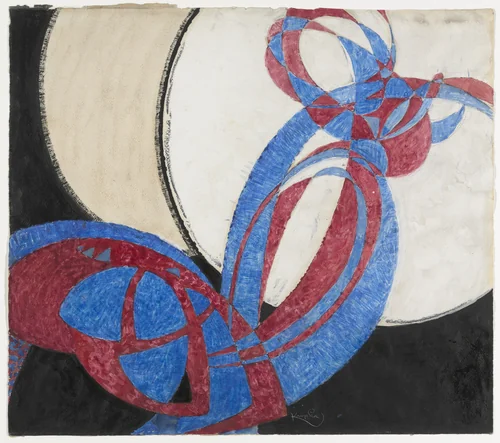
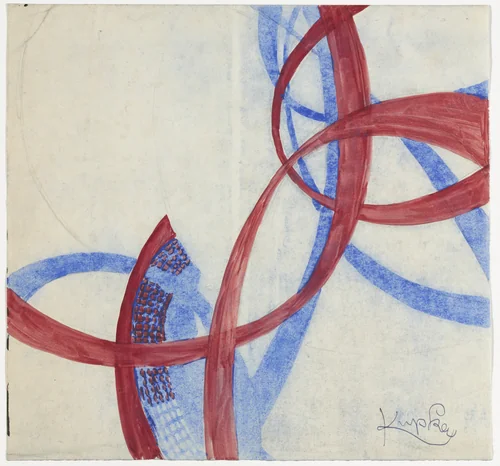
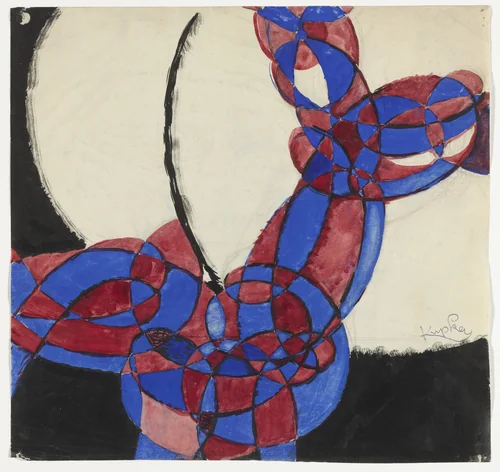
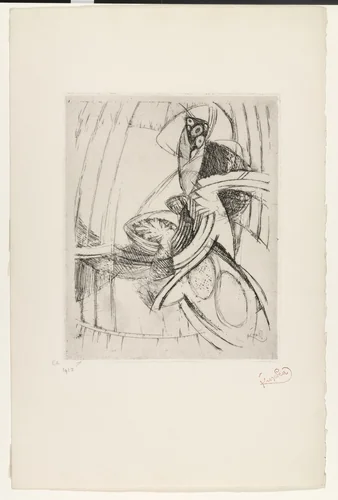
František Kupka (1871-1957) holds a singular and vital place in the development of early Modernism, being one of the first European artists to commit fully to non-objective abstraction. A Czech painter and illustrator by training, his trajectory began firmly rooted in conventional realism before culminating in the pioneering of Orphism, a movement fundamentally concerned with the visual expression of color, light, and movement divorced from representational subject matter.
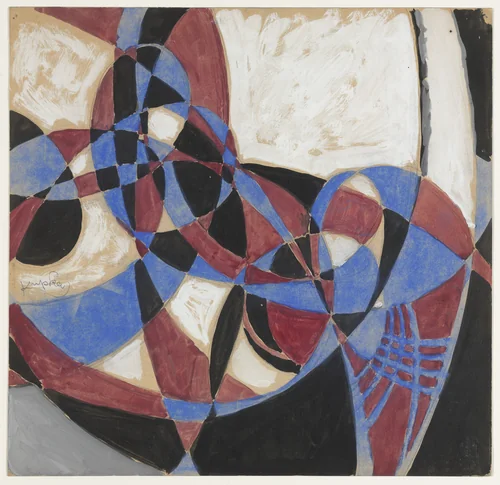
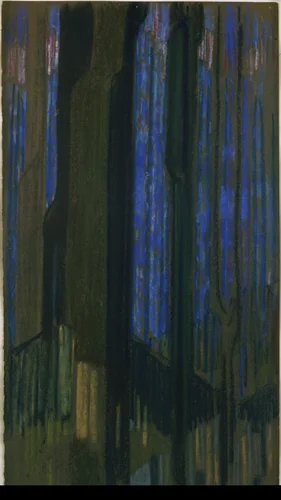
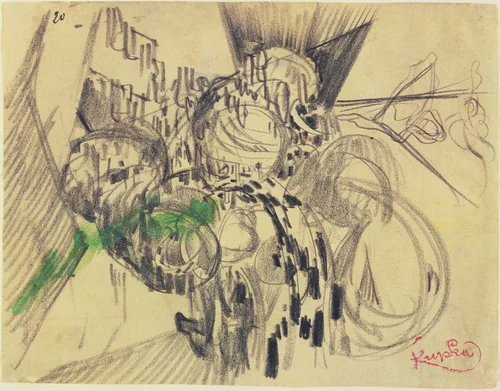
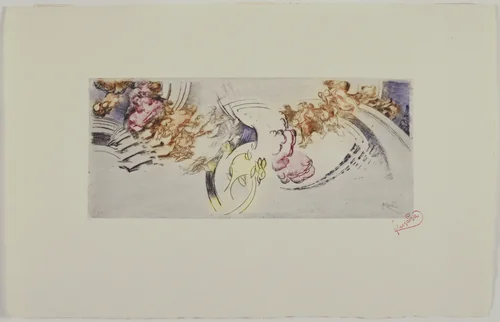
Kupka’s highly productive period spanning 1899 to 1912 documents this radical intellectual and artistic transformation. While early works like the figurative study Bather or the detailed Admiration showcase his technical skill, his interests quickly broadened into scientific and philosophical concepts. He was uniquely engaged with theosophy and early quantum theory, often attempting to visualize musical harmonies and spiritual vibration through line and color. This intellectual restlessness is visible in transitional pieces such as View from a Carriage Window, where the solid forms of traditional representation begin to dissolve under the influence of speed and perceptual dynamics.
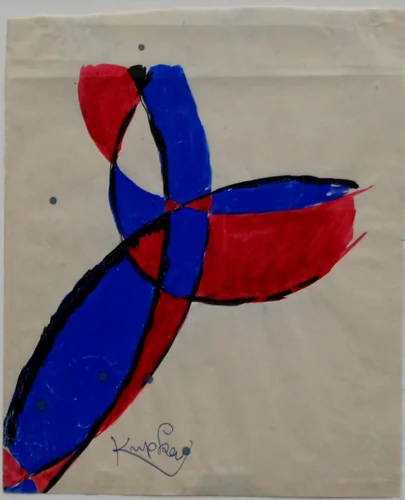
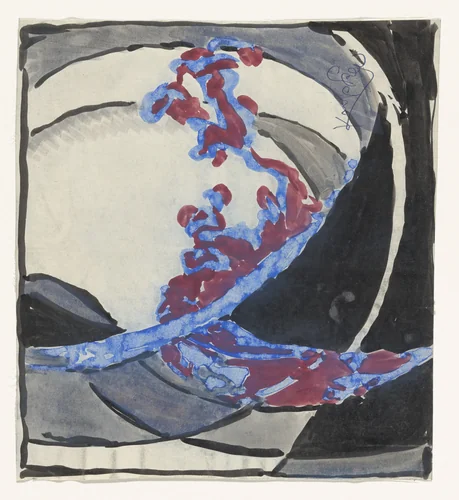
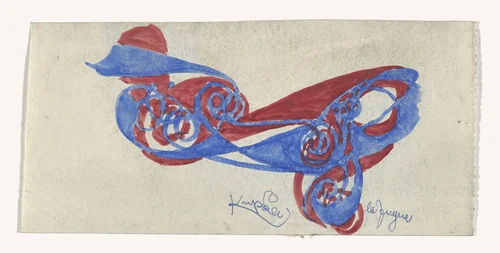
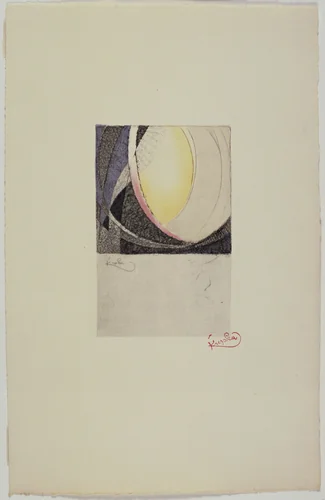
The decisive break occurred as Kupka systematized the use of pure, non-referential color as the primary structural element. Though frequently associated with Robert Delaunay, Orphism found its independent and rigorous grounding in Kupka’s calculated investigations into vertical and circular structures. Unlike many contemporaries who initially used abstraction for merely decorative effect, Kupka viewed it as the necessary path toward absolute painting, eliminating anecdote in favor of dynamic compositional truth. He was known for his extreme dedication to these principles, often leading him to be seen as something of a solitary intellectual within the bustling Parisian avant-garde.
His focused contributions, including the complex color theory explorations seen in works like Prometheus and Girl with a Ball, provided crucial early blueprints for later schools of abstract expressionism. Today, key examples of František Kupka paintings are held in major global institutions, including a robust collection at the Museum of Modern Art. For those studying the origins of non-representational art, his work remains essential viewing, and many high-quality prints derived from his estate are available as downloadable artwork, ensuring his foundational role in abstraction remains accessible to scholars and admirers alike.
Source: Wikipedia · CC BY-SA 4.0