Frans van Mieris
The name Frans van Mieris denotes a distinguished, multi-generational artistic lineage within the Dutch Golden Age, primarily defined by the meticulous execution of the Leiden fijnschilder tradition. The cornerstone of this legacy is Frans van Mieris the Elder (1635–1681), a pivotal figure known for his sophisticated, highly refined genre scenes and portraits. The tradition was successfully extended into the eighteenth century by his grandson, Frans van Mieris the Younger (1689–1763), ensuring the family name retained its elevated position in European art historical discourse.
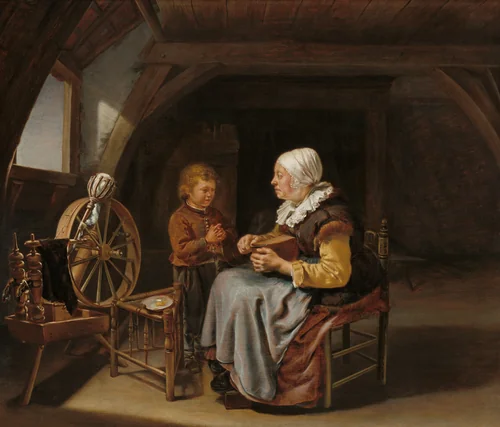
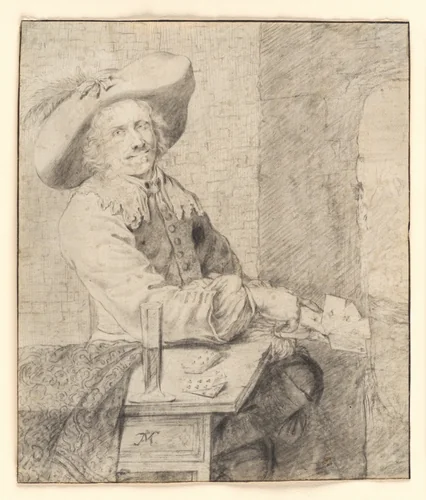
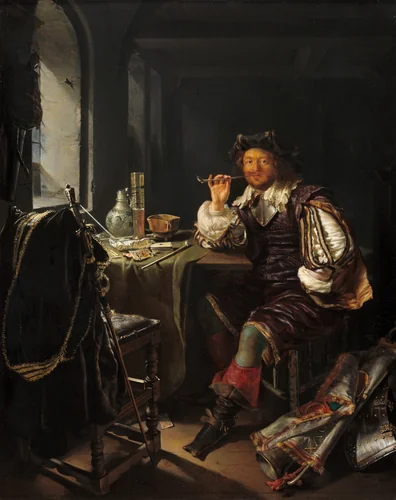
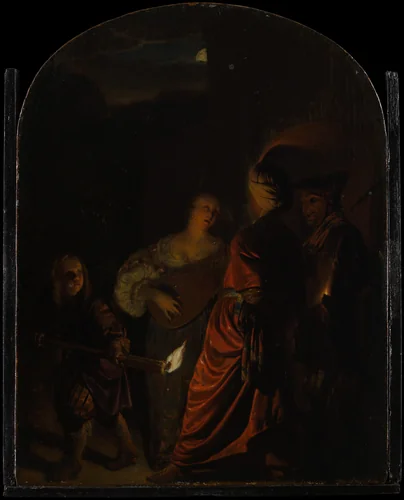
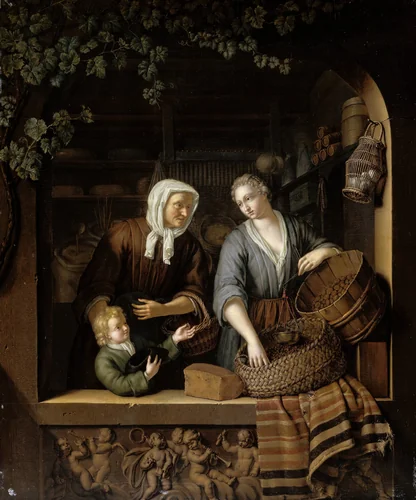
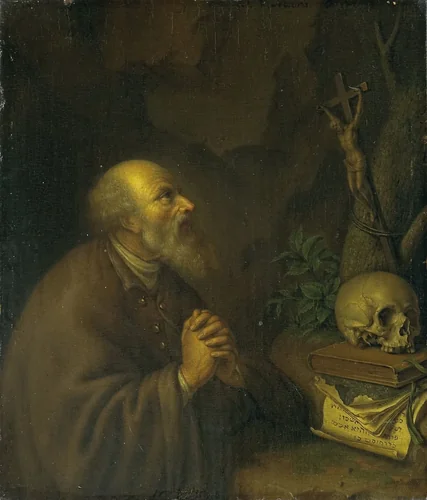
The Elder was a student of Gerard Dou, and he rapidly surpassed his contemporaries in technical brilliance and narrative subtlety. Van Mieris the Elder specialized in small-format scenes, focusing on the intimate world of the prosperous merchant class. Unlike those who depicted robust revelry, Van Mieris treated his subjects with an elegant, almost cinematic stillness, focusing heavily on texture and the play of artificial light. His works are characterized by an exceptional command of detail; a viewer might note the crisp rendering of a velvet drape in A Soldier Smoking a Pipe or the dignified austerity of a domestic scene like Saying Grace. Other key Frans van Mieris paintings, such as The Cardplayer, showcase the subtle moralizing themes often interwoven into his otherwise lighthearted social commentary.
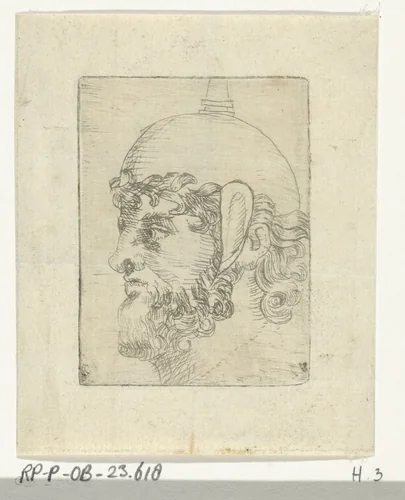
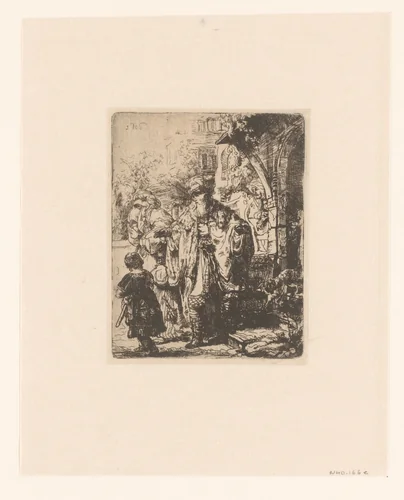
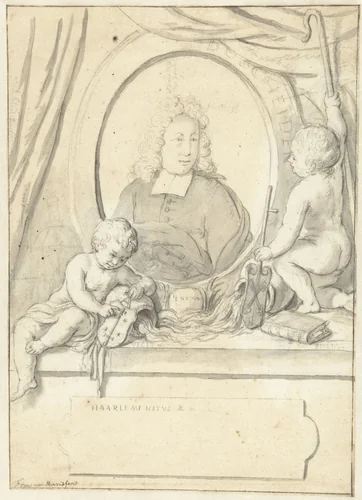
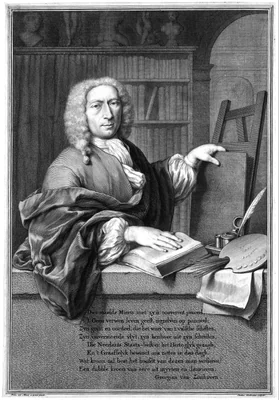
The short but incredibly impactful career of Frans van Mieris the Elder resulted in a relatively select oeuvre of documented works, including approximately five paintings, four drawings, and two known Frans van Mieris prints. Curiously, given the intense level of refinement demanded by the fijnschilder style, the Elder seems to have maintained an almost impossibly pristine level of execution in every documented piece.
Frans van Mieris the Younger successfully continued the family's dedication to precise draftsmanship and genre scenes, contributing significantly to collections today. Due to the high museum-quality standard established by the family, their works are foundational to major institutions globally, including the Rijksmuseum and the National Gallery of Art. Today, much of the family’s output resides in the public domain, allowing access to high-quality prints and downloadable artwork for continued study and appreciation.
Source: Wikipedia · CC BY-SA 4.0