Frans Snijders
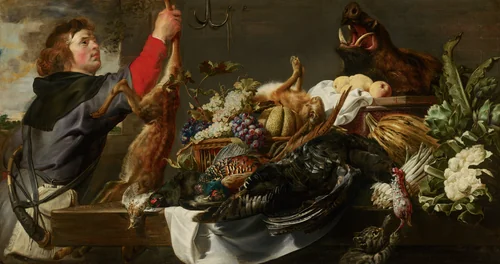
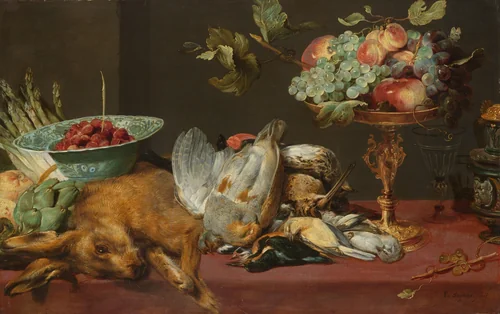
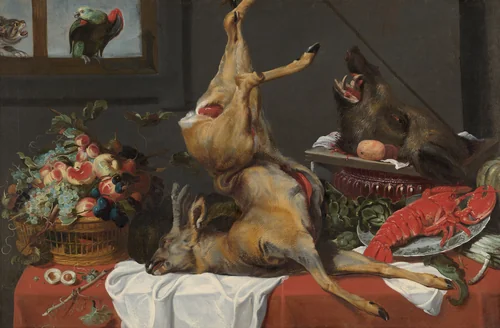
Frans Snijders (1579-1657) stands as a pivotal figure in 17th-century Flemish painting, distinguished as one of the earliest specialist animaliers. Active primarily in Antwerp, he fundamentally redefined the scope of still life and animal subjects, injecting dramatic vitality into genres previously considered secondary. His works, held in major institutions like the Mauritshuis and Rijksmuseum, represent a high point of Baroque dynamism that characterized the era.
A profoundly versatile master, Snijders moved seamlessly between opulent market scenes, visceral hunting narratives, and complex kitchen still lifes. His compositions are renowned for their almost encyclopedic detail, meticulously depicting a wide assortment of animals, specialized foodstuffs, utensils, and reflective tableware. He is credited with initiating a robust variety of new animal and still-life subjects that profoundly influenced the Antwerp school. The sheer energy and dramatic effects evident in his hunting scenes, which often depict the chaos and precision of the pursuit, engage the viewer with remarkable immediacy.
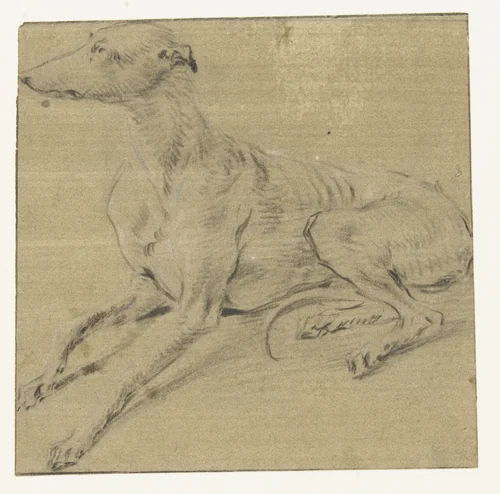
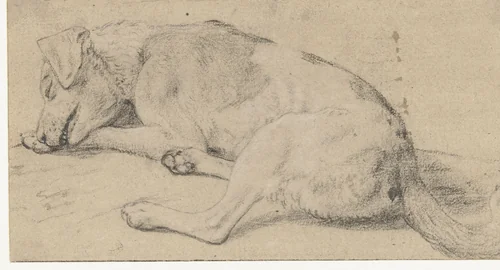
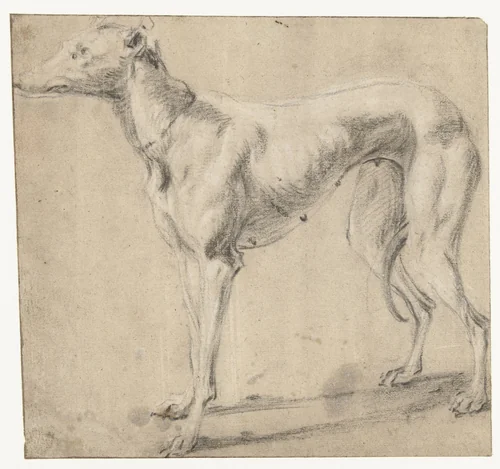
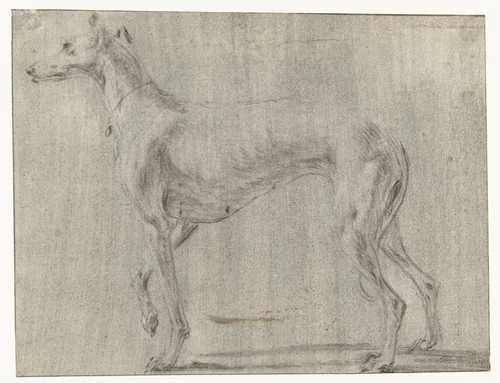
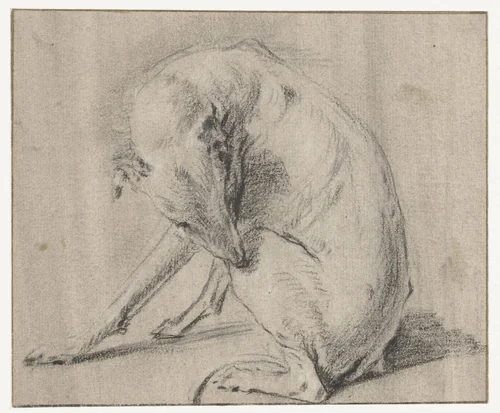
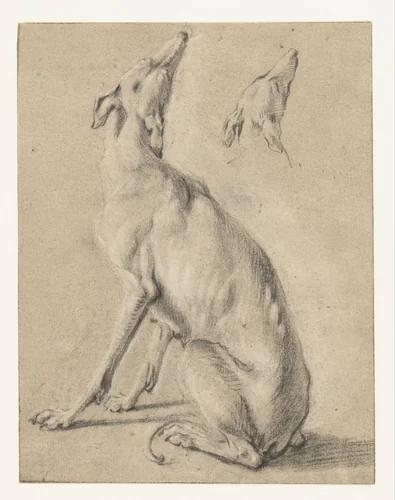
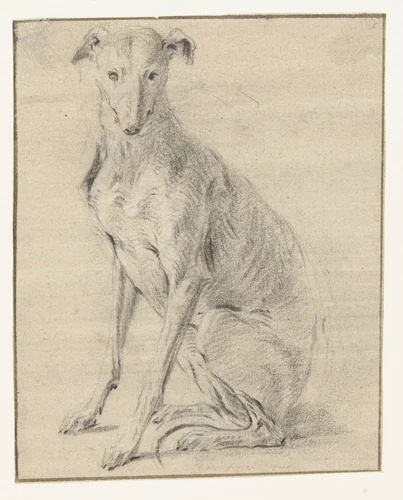
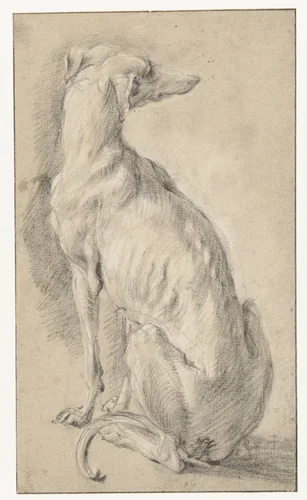
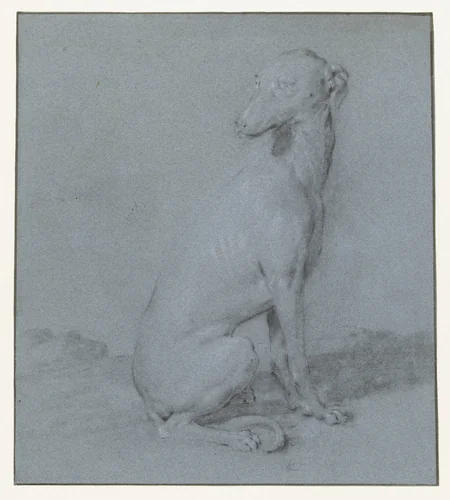
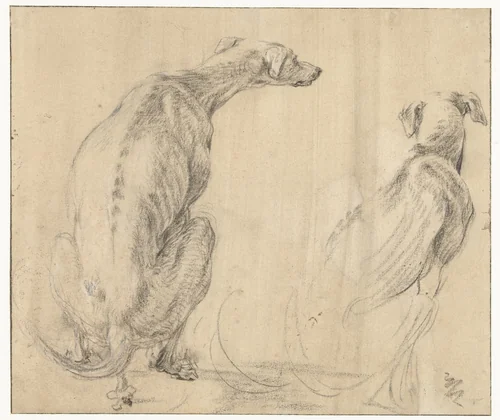
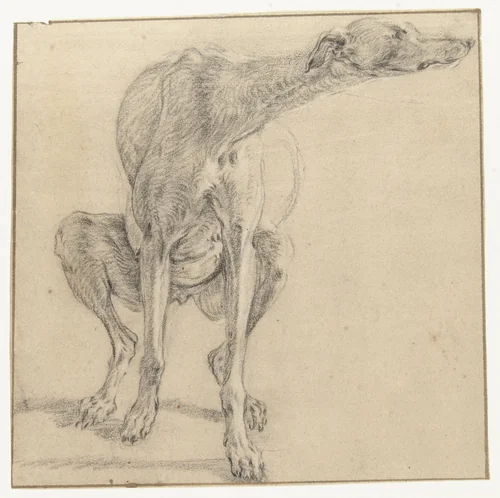
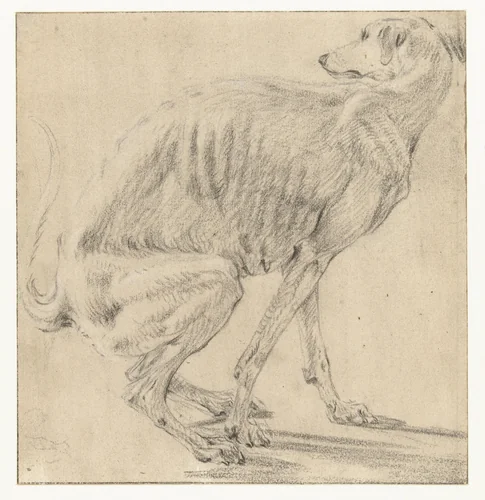
Snijders’ deep understanding of anatomy and movement allowed him to imbue his subjects, whether feathered game or fighting hounds, with palpable force. It is perhaps no surprise that an artist so adept at capturing the tension of the hunt would also display a keen, almost tender, observational interest in the quieter moments of domestic animals, as seen in studies like Een slapende hond or Een liggende hond, van opzij gezien.
Snijders' prominence is further evidenced by his vital role as a regular collaborator with the leading masters of the age, including Peter Paul Rubens, Anthony van Dyck, Jacob Jordaens, and Abraham Janssens. Snijders often contributed the meticulously rendered animals and provisions to their large-scale canvases, lending essential realism and texture to the primary narrative. This unique collaborative practice cemented his status in the competitive Antwerp art community. His powerful contribution to the genre ensures lasting relevance, with many Frans Snijders prints and paintings now accessible as royalty-free downloadable artwork through public domain collections.
Source: Wikipedia · CC BY-SA 4.0