Frans Hogenberg
Frans Hogenberg (1535–1590) was a highly influential Flemish-German artist whose prolific output as an engraver and cartographer provided a crucial visual record of 16th-century European geopolitical upheaval. Active across the mid-to-late century, his work transcends simple artistry, functioning as proto-journalism distributed throughout the volatile Low Countries and the German territories. Trained initially as a painter, Hogenberg found his definitive calling in the meticulous detail and reproducibility offered by copperplate engraving, an innovation that allowed him to document complex military and social events with striking immediacy.
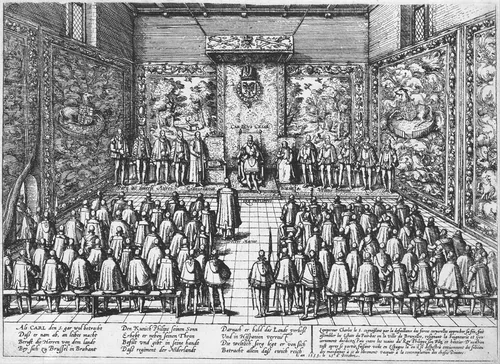
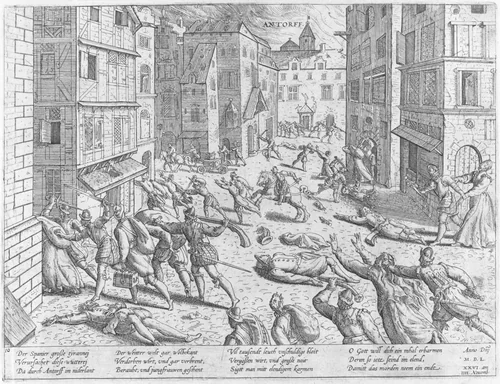
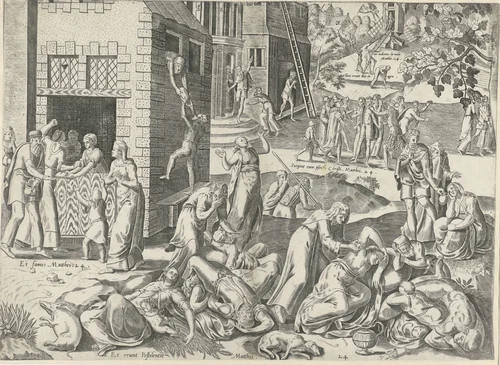
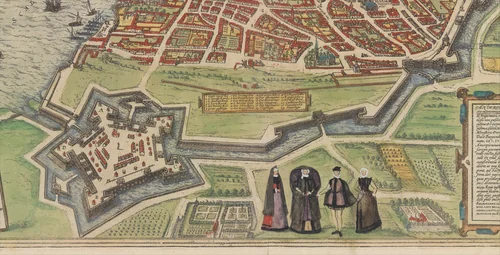
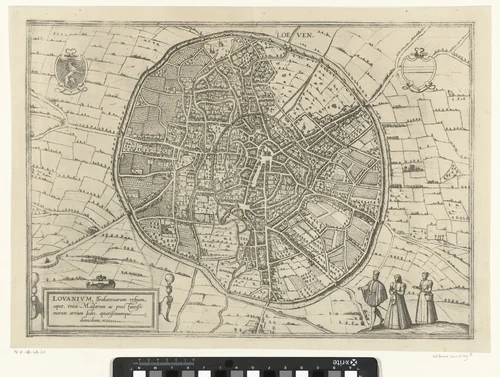
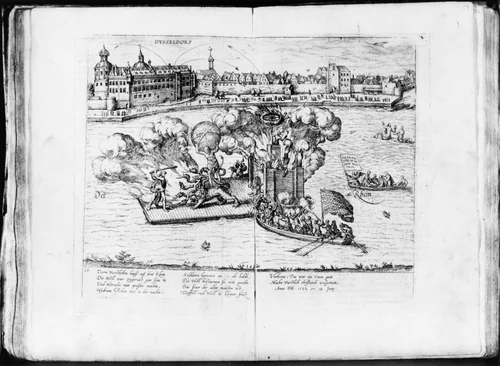
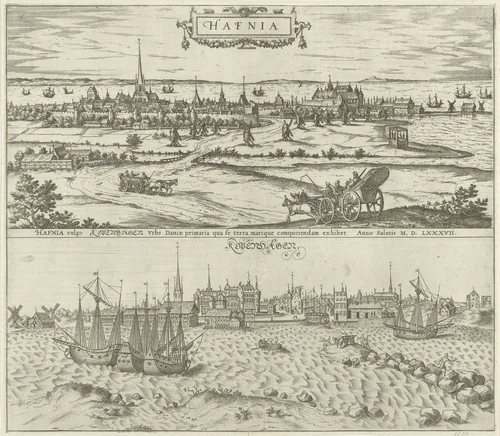
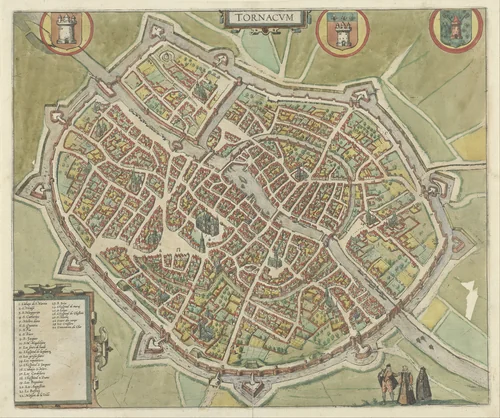
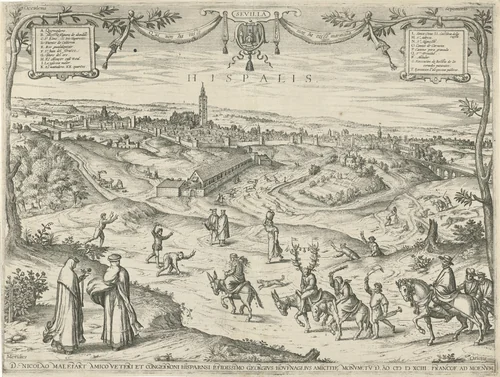
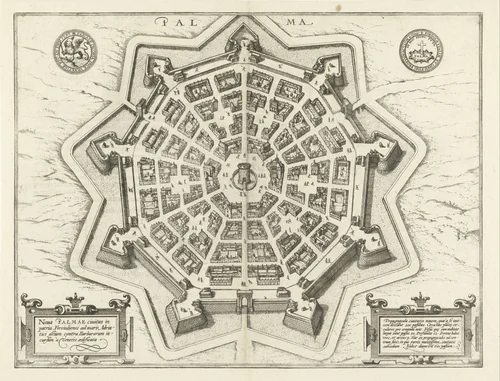
Hogenberg is perhaps best known for his extensive historical chronicles. His ambitious series, Events in the History of the Netherlands, France, Germany and England between 1535 and 1608, often produced in collaboration with his brother, Abraham, served as a comprehensive, visual history spanning decades of religious and political conflict. Pieces such as The Sack of Antwerp from Events in the History of the Netherlands, France, Germany and England between 1533 and 1608 illustrate his capacity to transform chaotic moments into legible, narrative compositions suitable for widespread dissemination. His contributions to mapmaking, often featuring finely detailed city views and battle plans, further cemented his reputation as a master chronicler of the era.
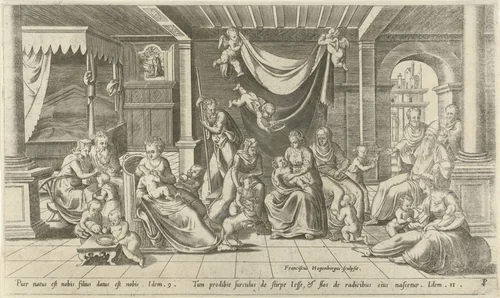
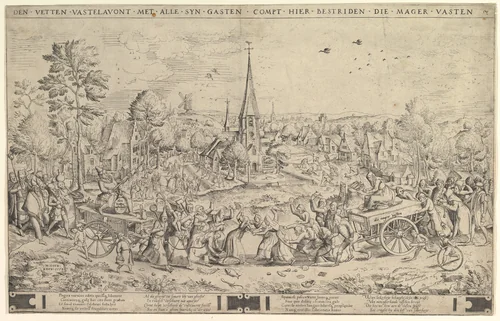
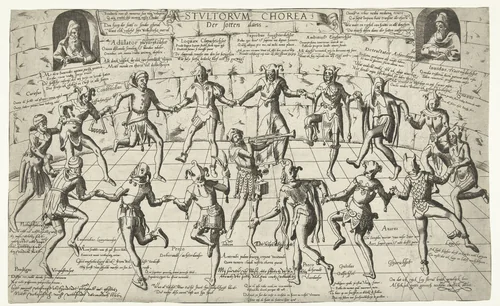
While the historical prints were fundamental to his career, Hogenberg also demonstrated a sharp eye for social commentary and genre scenes. Works like Lent and Carnival and the satirical Narrendans (Dance of Fools) reveal an artist keenly observing human folly and ritual, blending biblical and allegorical themes with contemporary customs. Here, the authoritative chronicler subtly gives way to a witty observer, capturing the absurdity inherent in daily life alongside historical gravity. His rendering of the popular theme Heilige verwantschap (Holy Kinship) further showcases his technical dexterity in religious subjects, proving him capable of addressing spiritual narrative as well as secular reportage.
Hogenberg’s sophisticated, high-quality prints ensured his inclusion in major global collections, including the Metropolitan Museum of Art and the Rijksmuseum. Although few verifiable Frans Hogenberg paintings survive, his legacy rests securely upon his engraved output. The detail and accuracy of these historical prints make them highly valued resources today. Due to their antiquity, much of this material resides in the public domain, offering institutions and researchers royalty-free access. Increasingly, these powerful historical visualizations are available as downloadable artwork, ensuring that the visual chronicles of this pivotal period remain accessible for study and appreciation.
Source: Wikipedia · CC BY-SA 4.0