Frans Crabbe van Espleghem
Frans Crabbe van Espleghem (c. 1480, Mechelen – 1553, Mechelen) holds an esteemed position among the Netherlandish graphic artists operating at the crucial transition point of the sixteenth century. Active primarily within Mechelen, the artist established his reputation during a period of intense cultural flux, navigating the visual demands of the Burgundian State and, later, the burgeoning influence of the Habsburg Netherlands. While his known output is surprisingly focused, comprising just twelve recognized high-quality prints, the mastery displayed within this corpus ensures his canonical placement in the history of Northern European etching and engraving. He was active as a printmaker for a substantial duration, roughly 1480 to 1530, producing work that expertly bridges the late Gothic sensibility with emergent Renaissance forms.
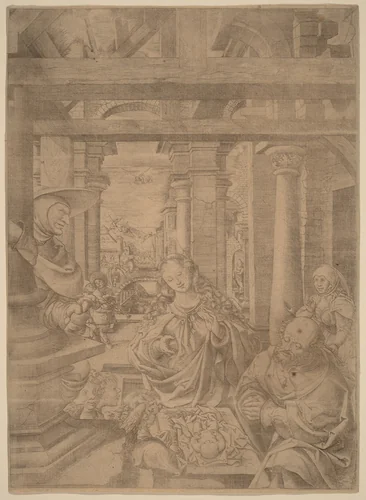
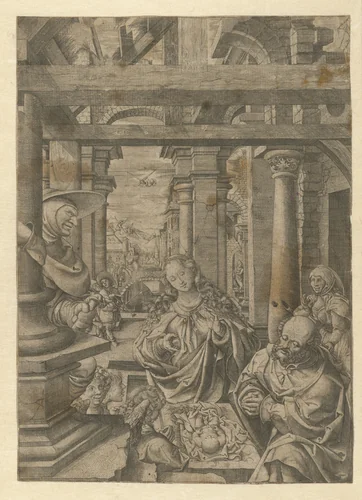
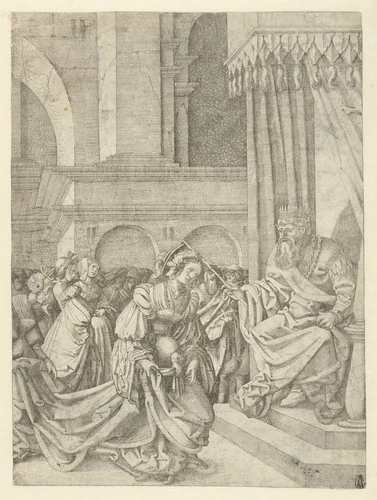
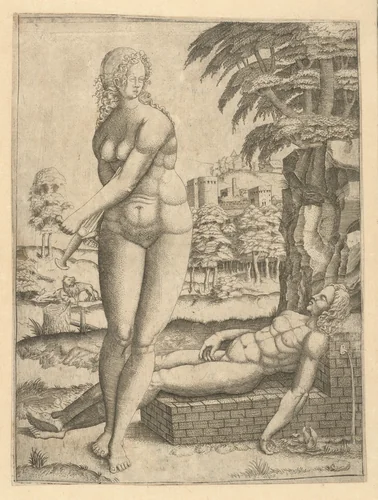
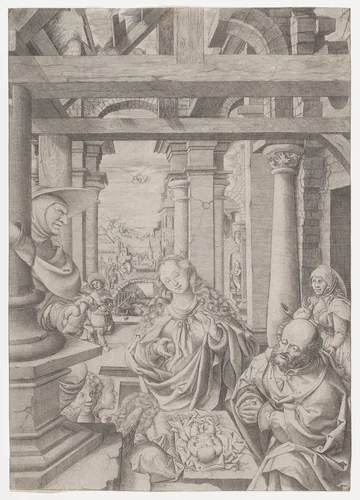
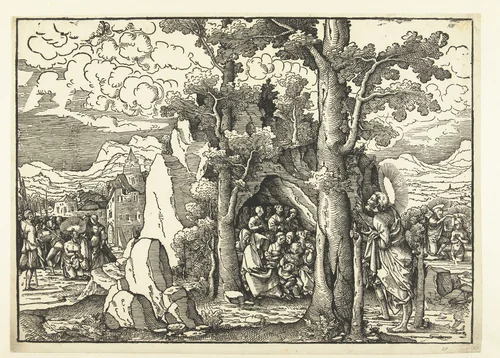
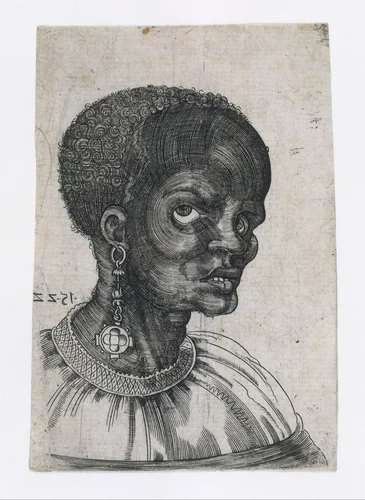
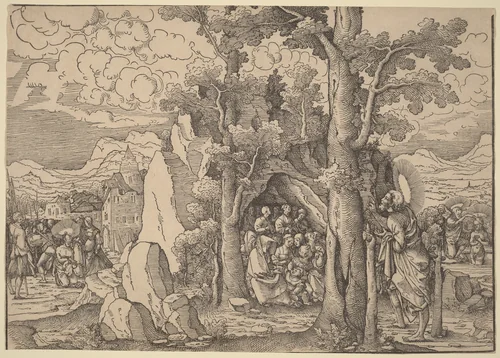
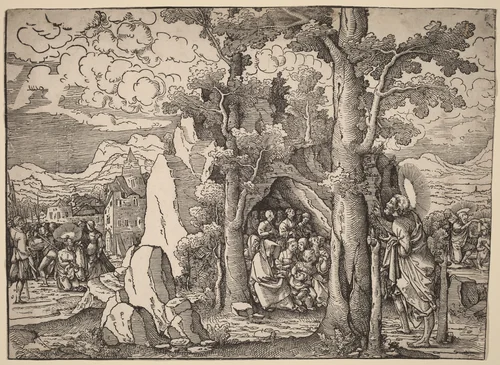
Crabbe’s compositions reveal an artist deeply engaged with both complex biblical narratives and the emerging popularity of classical literature. Works such as Aanbidding door de herders (Adoration of the Shepherds) and the dramatic historical scene Esther voor Ahasverus demonstrate his technical prowess. His execution emphasizes fine, sharp linearity and dense hatching, techniques crucial for the clarity demanded by the early print market. He was evidently comfortable moving between devotional subjects and the high drama of antiquity, evidenced by his sophisticated handling of the mythological tale Pyramus en Thisbe. The style is characteristically transitional; he retained the intricate detail of Northern Gothic design while exploring the spatial depth and anatomical ambition championed by Italian contemporaries.
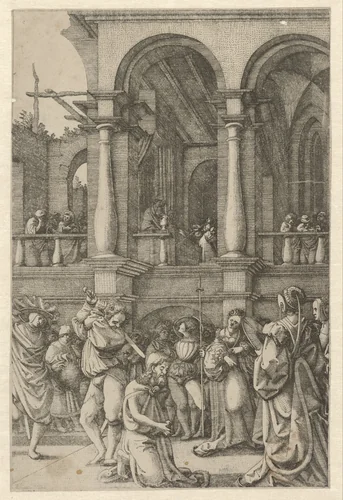
It is perhaps a unique irony of art history that an artist active across five decades is judged primarily on just a dozen prints, yet the quality and ambition of these twelve justify their lasting historical importance. The stark power found in his Onthoofding van Johannes de Doper confirms his ability to imbue even familiar religious subjects with novel theatricality.
Today, the institutional recognition of Frans Crabbe van Espleghem is secured by the presence of his surviving works in major global repositories, including the Rijksmuseum, the National Gallery of Art, and the Metropolitan Museum of Art. Because many of these historic pieces are now part of institutional collections, they are frequently available as downloadable artwork, allowing modern viewers unprecedented access to these museum-quality examples of early Netherlandish printmaking. His compact, yet forceful, graphic legacy provides essential insight into the intellectual and technical ferment of the early sixteenth-century Netherlands.
Source: Wikipedia · CC BY-SA 4.0