Frank Short
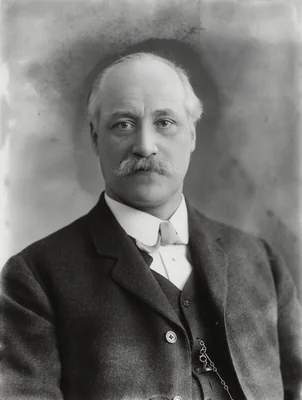
Sir Francis Job Short (1854-1945) emerged as an indispensable figure in late nineteenth and early twentieth century British graphic arts, cementing his significance not only through a substantial output of distinctive images but through the revolutionary revival of neglected techniques. While many of his contemporaries favored speed and modern efficiency, Short dedicated himself to technical archaeology, ensuring the survival of complex, subtle media.
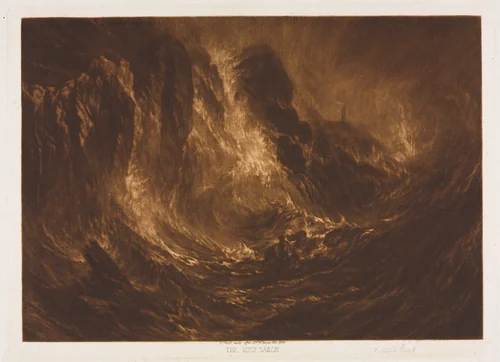
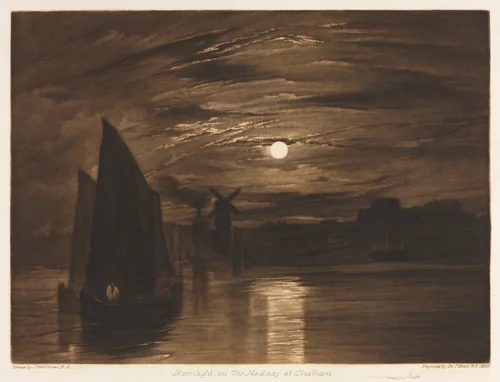
He is widely credited with the successful revitalization of pure aquatint and the demanding process of mezzotint, mastering the latter’s ability to create deep, velvety tones without the aid of line. Beyond restoration, Short enhanced the expressive potential of established processes like drypoint, etching, and engraving, fundamentally expanding the artistic vocabulary available to printmakers. The technical quality and atmosphere he achieved set a new standard for the genre.
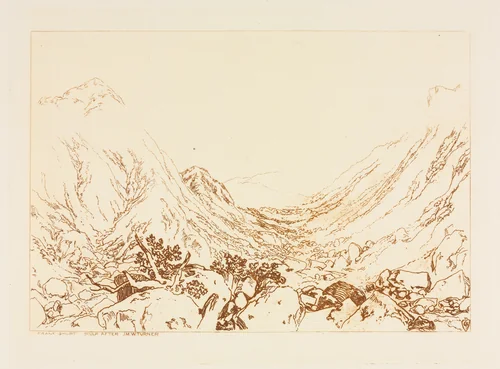
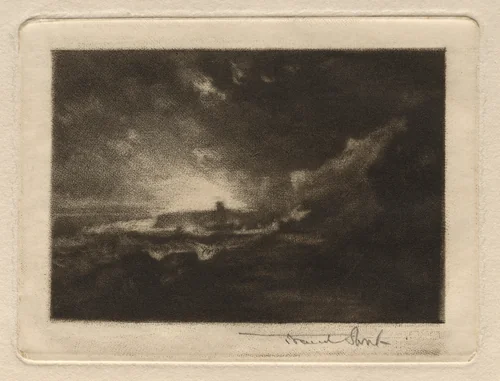
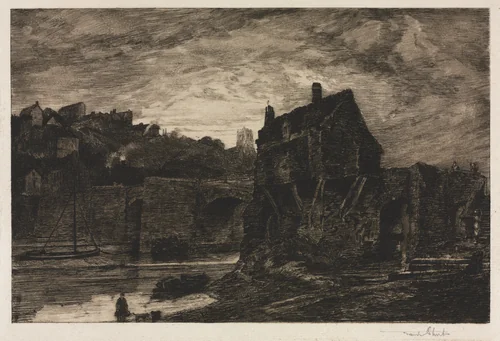
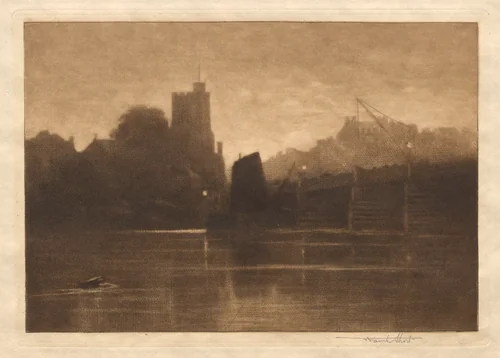
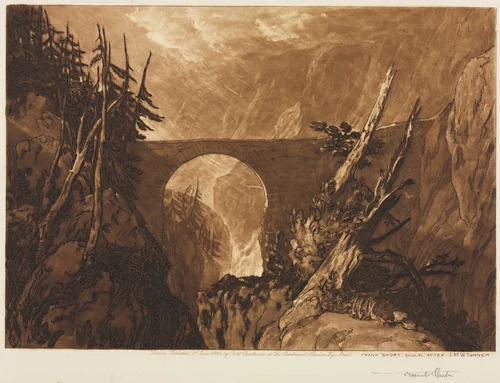
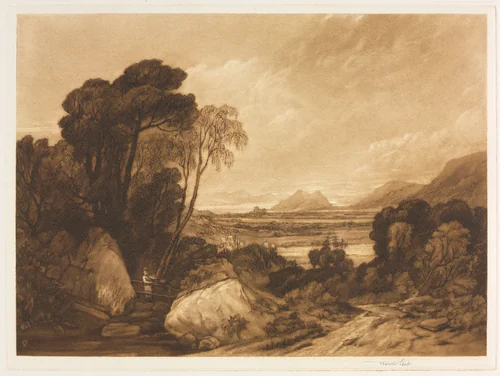
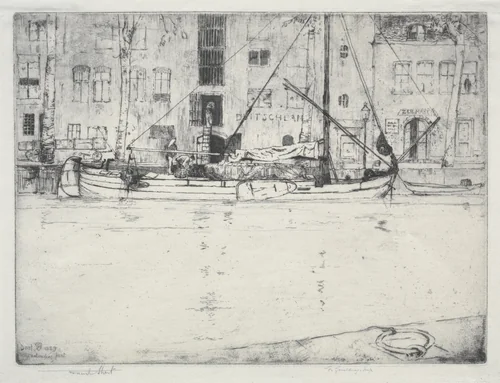
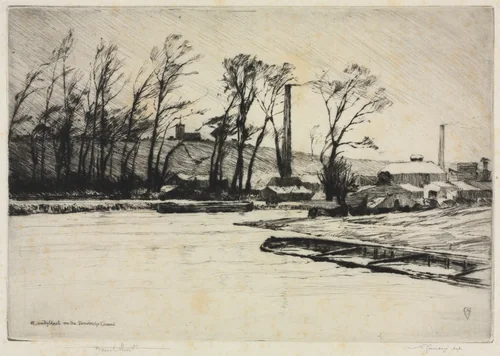
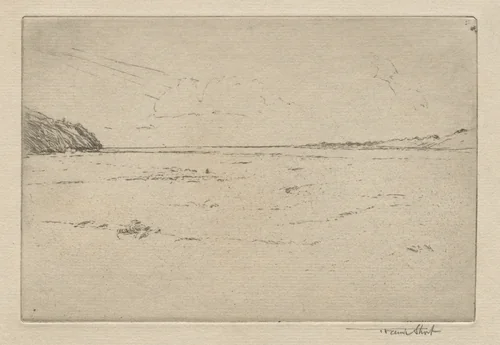
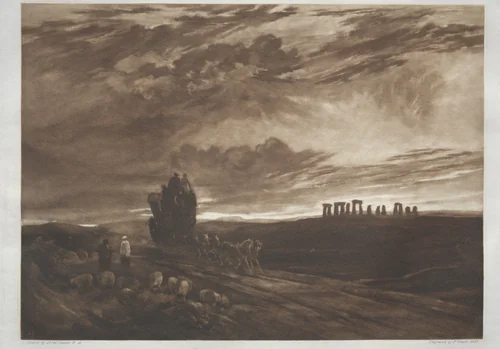
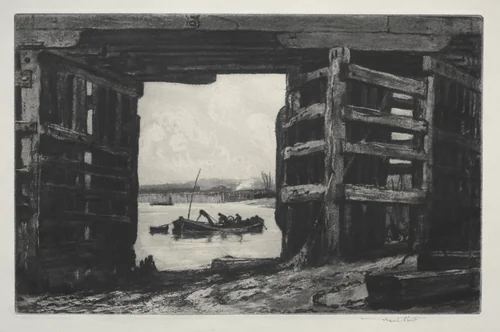
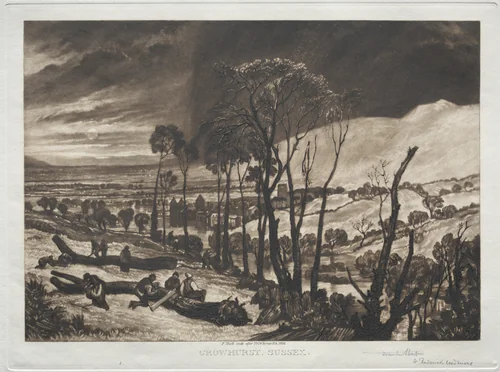
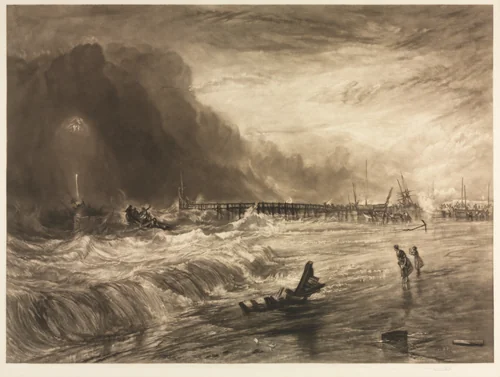
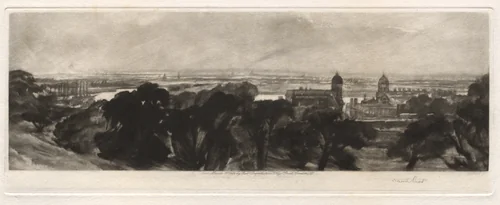
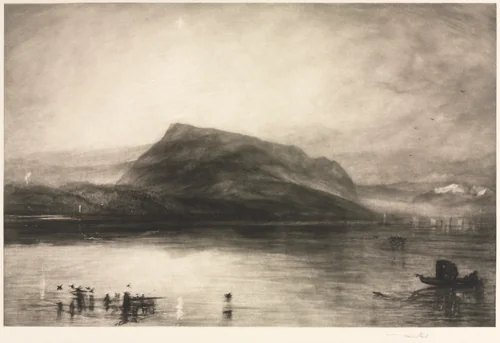
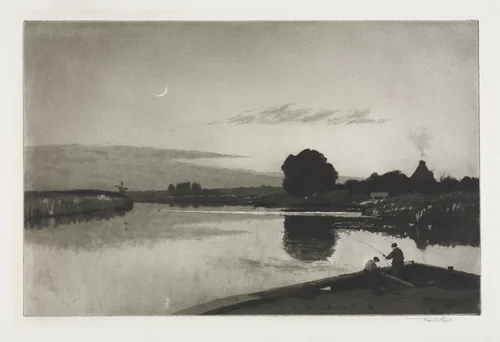
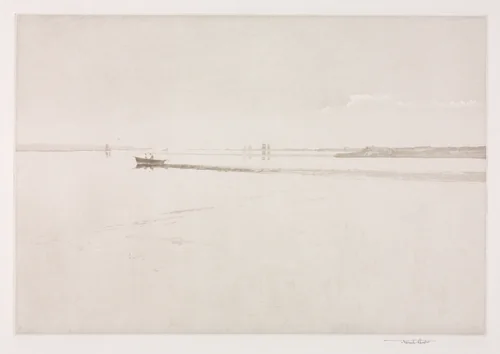
Short’s active output, represented by works like the dramatic Ben Arthur, Scotland, the detailed architectural study Bridgenorth, and the atmospheric dock scene Ebb Tide, Putney Bridge, demonstrates his profound ability to interpret both natural and industrial landscapes. His works often possess a melancholy grandeur and an acute sensitivity to light and weather, making his compositions compelling visual records of the era. The superb execution evident in these early Frank Short prints ensures their continued preservation in institutions such as the Cleveland Museum of Art.
Beyond his creative studio practice, Short accepted the crucial mantle of educator and administrator. Recognizing that technical knowledge must be shared, he authored texts on printmaking, working diligently to educate a wider public about the intricacies of the medium. This institutional dedication culminated in his nearly three-decade tenure as President of the Royal Society of Painter Etcher & Engravers, holding the post from 1910 to 1938. He managed the organization so successfully, one might argue that his greatest legacy was in securing the structural relevance of British printmaking itself. Earlier, in 1901, his stature within the larger design community was confirmed upon his election as Master of the prestigious Art Workers’ Guild. Today, the high-quality prints and studies he produced remain an enduring testament to his commitment to technical excellence.
Source: Wikipedia · CC BY-SA 4.0