François Verdier
François-Alexandre Verdier (1614-1671) was a highly significant French draftsman, painter, and engraver active during the long artistic dominance of the Grand Siècle. His professional identity was fundamentally defined by his close, decades-long affiliation with Charles Le Brun, the preeminent artistic director and arbiter of taste for the court of Louis XIV. As a key student and later an essential assistant, Verdier worked within the demanding environment that standardized French classical aesthetics, absorbing the rigorous academic principles that defined the Royal Academy.
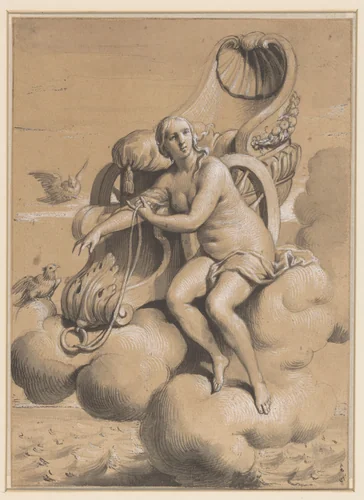
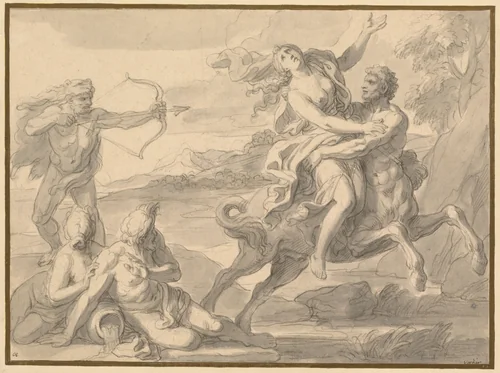
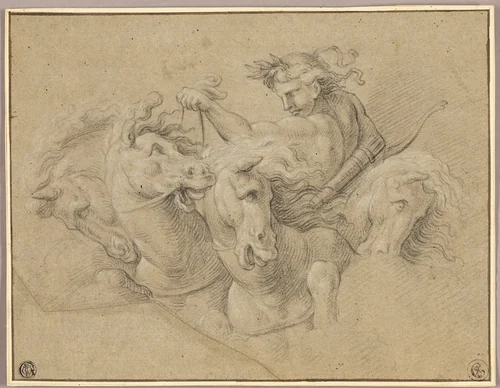
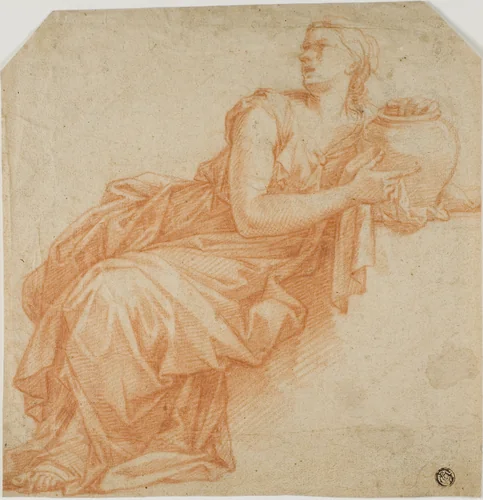
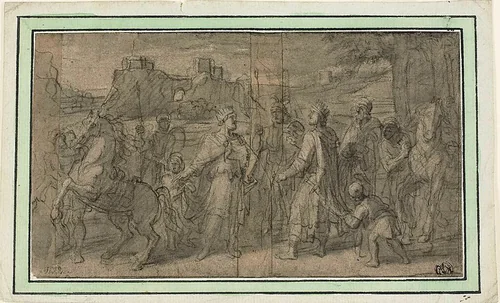
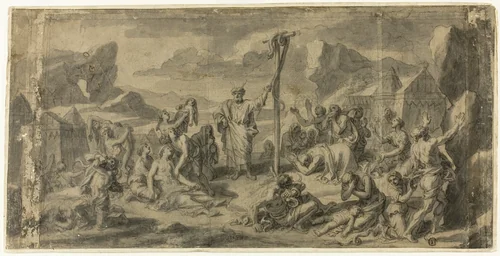
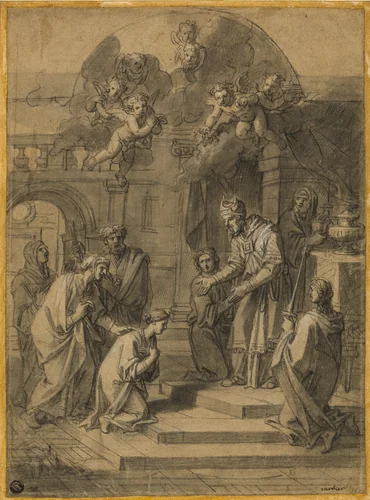
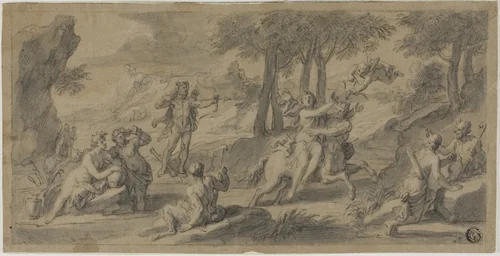
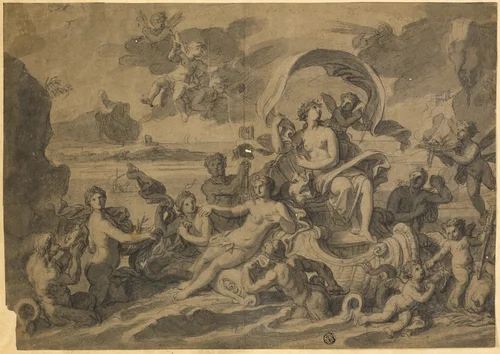
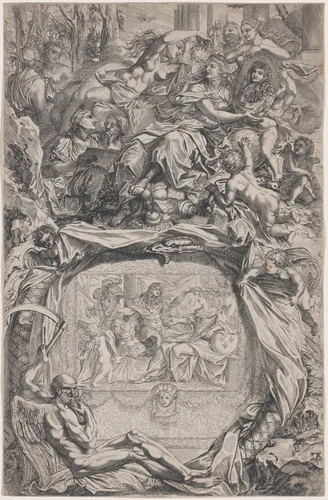
Verdier’s career provided invaluable service to the massive, large-scale decorative projects spearheaded by Le Brun. While his output as a standalone painter is less documented than his master's, Verdier’s technical skill is particularly evident in the substantial body of his surviving works on paper. These sheets demonstrate a fluid, confident mastery of figure study, focusing primarily on the mythological, religious, and academic subjects that reflected the Baroque classicism championed by the Academy.
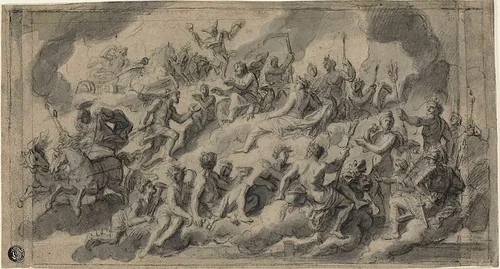
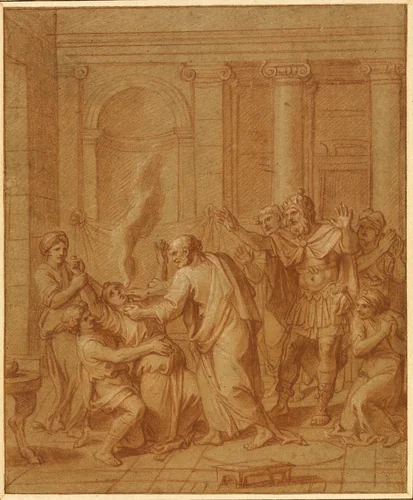
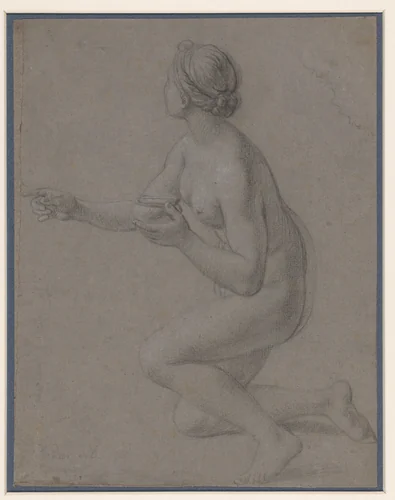
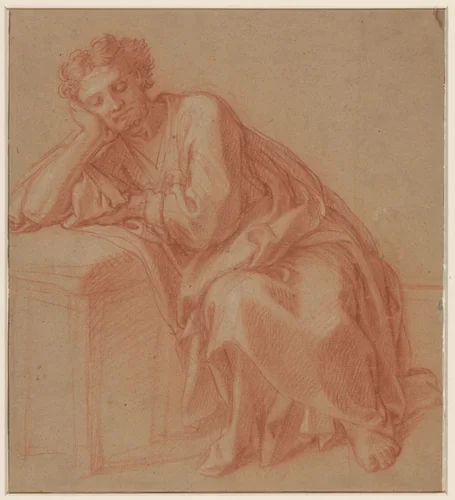
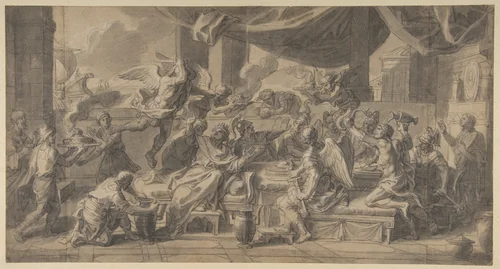
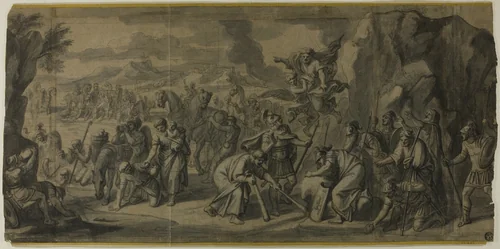
Major surviving pieces, such as Gods on Olympus and the dramatic Death of Sapphira, showcase his adherence to narrative clarity and controlled dramatic tension, skills essential for a historical painter. Individual academic studies, including Studie van een knielend naakt meisje and Studie van een rustende man, stand as important primary artifacts of 17th-century French training, revealing the meticulous preparatory rigor required of artists destined for court commissions.
It is perhaps a minor irony that this assistant, whose reputation was necessarily overshadowed by the Sun King's favorite, today holds a firm, international place in major institutional repositories, including the National Gallery of Art, the Rijksmuseum, and the Art Institute of Chicago. His legacy is one of technical precision and unwavering adherence to the high standards of French official art. The enduring quality of his draftsmanship ensures that interest in François Verdier prints and drawings remains high, confirming his status as a critical if secondary figure of the era. Many of his works are now in the public domain, offering researchers access to high-quality prints and royalty-free images for further scholarly study.