François Gérard
François Pascal Simon Gérard, titled Baron Gérard in 1809, was a central figure in French Neoclassical painting at the turn of the nineteenth century. His career spanned the final years of the Ancien Régime through the height of the Empire, defining the stylistic demands of powerful patrons like Napoleon’s court. Born in Rome, where his father held a post in the French embassy and his mother was Italian, Gérard’s cosmopolitan origins subtly informed his refined artistic sensibility, granting his style a grace distinct from many Paris-centric contemporaries.
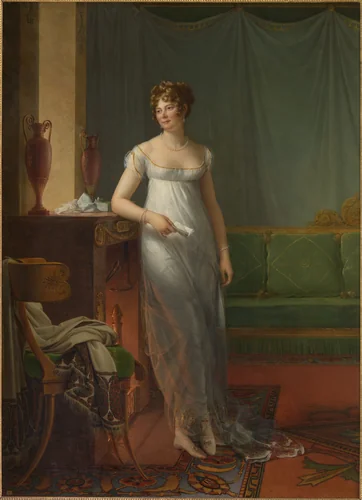
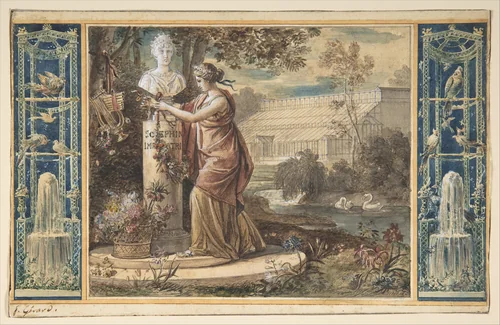
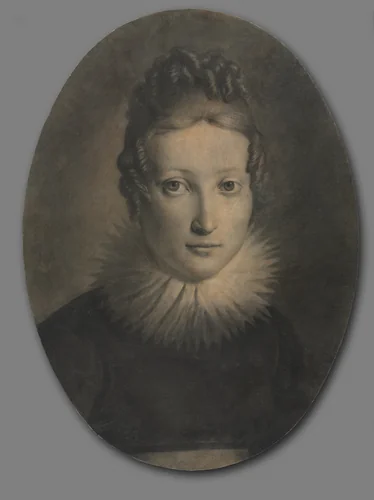
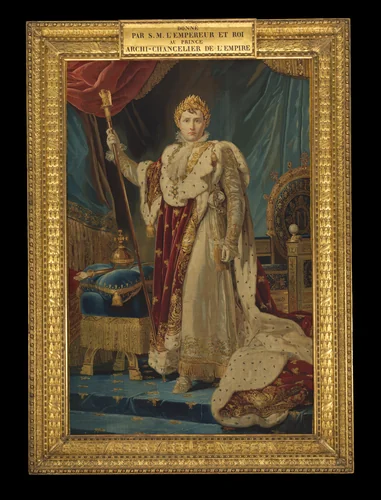
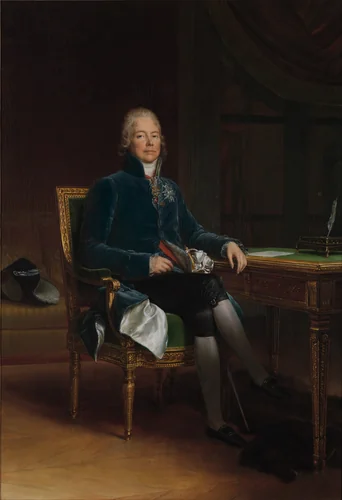
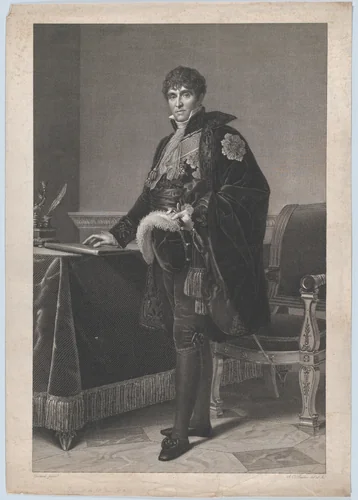
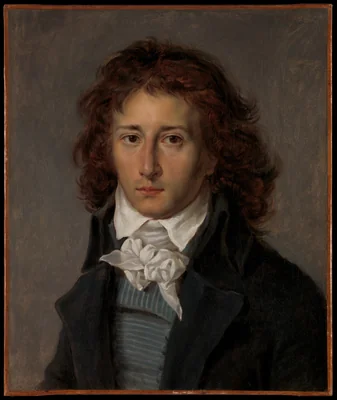
Gérard established himself primarily through high-profile portraiture and ambitious allegories, crucial components of the official aesthetic of the Napoleonic Empire. His technical skill was not confined to oils; his extant oeuvre demonstrates proficiency across various media, including numerous detailed drawings and at least one important surviving textile piece. His output during his most active period, 1785 to 1812, secured him highly prestigious commissions from the newly established elite. The official nature of these works is clear in the authoritative portrait of Madame Charles Maurice de Talleyrand Périgord (1761–1835). More complexly, allegorical paintings, such as An Allegory of Empress Josephine as Patroness of the Gardens at Malmaison, illustrate his ability to successfully combine classical tropes with courtly flattery.
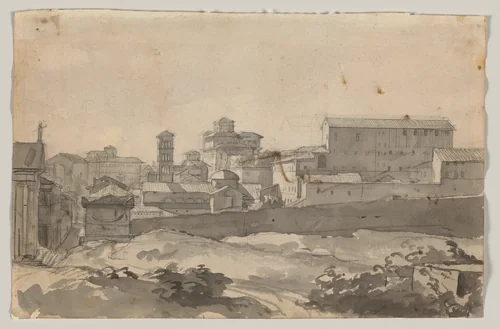
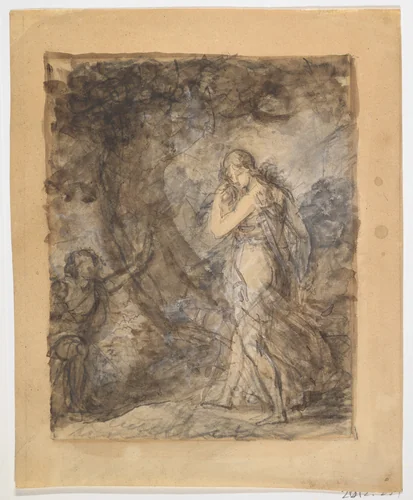
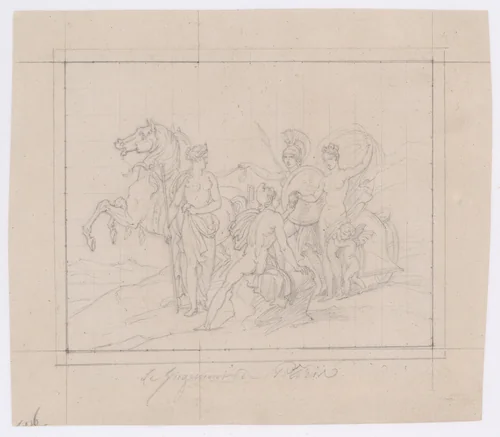
A significant portion of Gérard’s legacy rests on the preparatory works and studies that inform his major canvases. Pieces like the classical compositions Daphnis Running toward Chloe and The Judgment of Paris showcase the formal rigor expected of his academy training. Perhaps the most insightful glimpse into his working methods, however, is found in the sheet bearing View of Rome (recto) and A Woman's Head In Profile (verso), showing how seamlessly his eye shifted between observational architecture and rapid figure study.
These finished François Gérard paintings and drawings now reside in major institutions, including the Metropolitan Museum of Art and the Cleveland Museum of Art, preserving his defining contribution to French official art. For scholars and enthusiasts seeking access to these materials, the widespread availability of high-quality prints and downloadable artwork ensures that the refined Neoclassicism of Baron Gérard remains vital to the study of the period.
Source: Wikipedia · CC BY-SA 4.0