Francois de Poilly
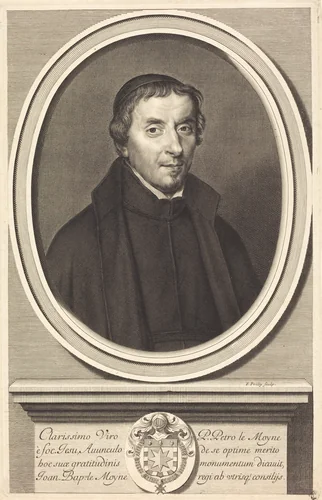
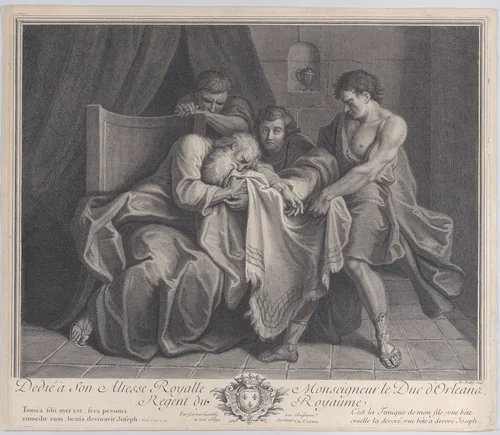
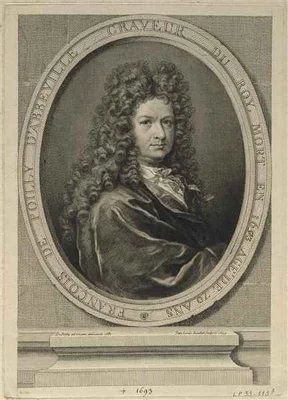
François de Poilly, an accomplished French engraver, maintained a prominent role in European printmaking across a remarkable span, with documented activity ranging from the 1620s until the 1720s. His technical expertise allowed him to serve the intense demand for both commemorative portraiture and the dissemination of popular devotional imagery. Today, his significant contribution to seventeenth and early eighteenth-century graphic arts is confirmed by the presence of his prints in major institutions worldwide, including the Metropolitan Museum of Art and the National Gallery of Art.
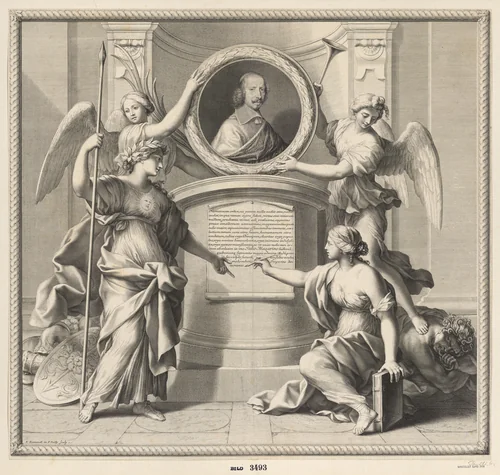
Poilly specialized in translating complex baroque compositions into the print medium, a task that required both precision and interpretive skill. A key example is his portrait of Cardinal Jules Mazarin, an elaborate allegorical study required to flatter the high-status sitter. The composition is dense with symbolic detail, showing the Cardinal flanked by angels and classical figures, including the specific iconography of an angel standing atop a vanquished figure entwined with snakes, signifying the triumph of piety or order over vice.
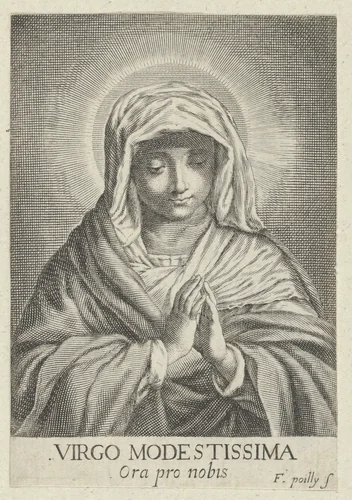
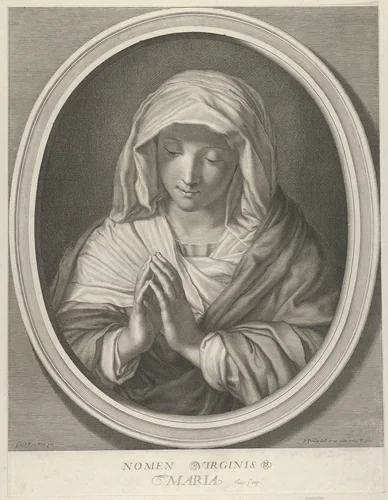
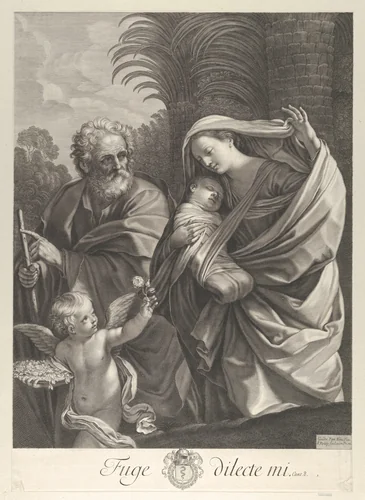
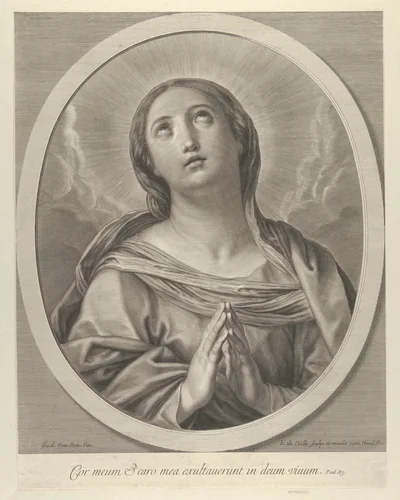
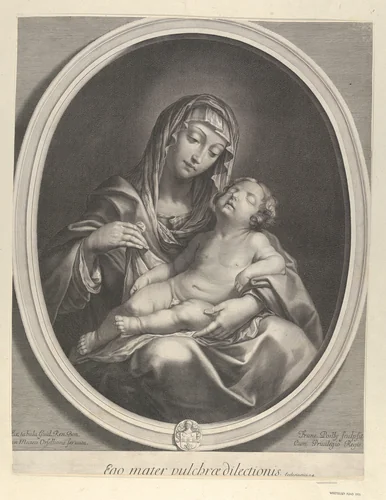
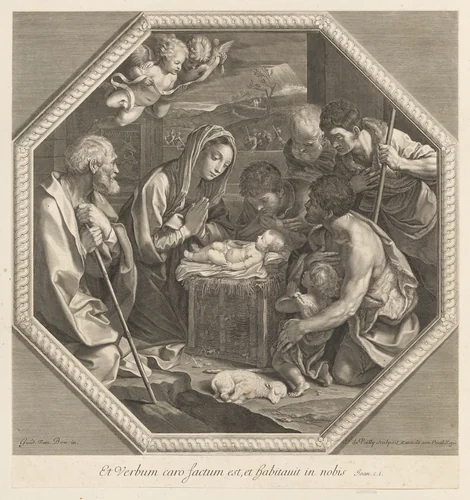
A substantial portion of Poilly’s extant catalog consists of reproductive engravings after the celebrated Bolognese master, Guido Reni. These high-quality prints were essential vehicles for transmitting Reni’s idealized, classicizing style across the continent. Poilly rendered several variations of Reni’s works, including multiple depictions of The Virgin in prayer looking down and the intimate scene of The Flight into Egypt. The consistent quality of these Francois de Poilly prints ensured their commercial success and wide circulation, establishing Poilly’s reputation as a reliable translator of Italian High Baroque aesthetic principles.
While little is known of Poilly’s personal life, the operational span documented in historical collections suggests either a single artist with extreme longevity or a highly successful workshop that maintained the family name and style over several generations. To produce consistent, museum-quality imagery across a century of radical stylistic transition is a quiet achievement, confirming the lasting utility and refinement of the Poilly engraving technique. Many of these important historical works are now within the public domain and available as downloadable artwork for scholarly study.
Source: Wikipedia · CC BY-SA 4.0