François Collignon
François Collignon (active circa 1613-1620) was a pivotal figure in the 17th-century European print trade, bridging the roles of skilled engraver, print-seller, and publisher from the Duchy of Lorraine. Though his documented career span was brief, his efficiency and commercial acumen cemented his place in art history. The enduring quality of his output is underscored by the inclusion of his works in major international collections, notably the Metropolitan Museum of Art and the Rijksmuseum.
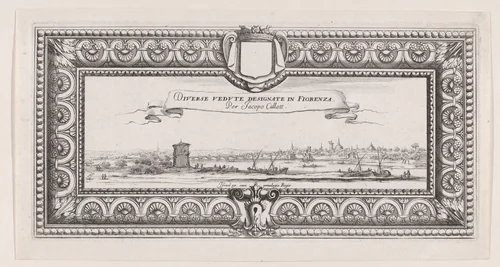
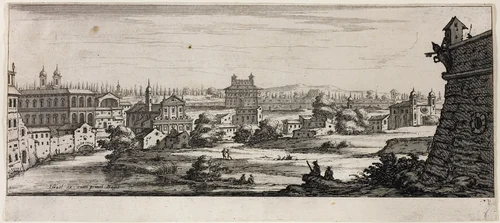
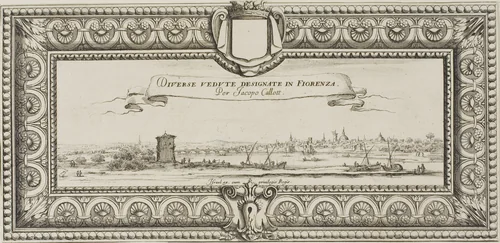
Collignon specialized in the meticulous production and commercial dissemination of extensive series, often commissioned for high-profile figures of the era. His most significant documented contribution focuses on landscape views tied to Medici patronage. This is exemplified by the Title Page Designed for the Sale of the Series of Paysages Gravés pour Jean de Médicis, which introduces a substantial body of work sometimes known collectively as Paysages Dessinés a Florence or Paysages d'Italie. These high-quality prints met the substantial European demand for reproducible, detailed perspectives of the Italian peninsula, demonstrating Collignon’s technical mastery of the copperplate medium and his awareness of contemporary market trends. The resulting works are preserved today as exceptional museum-quality examples of early Seicento printmaking.
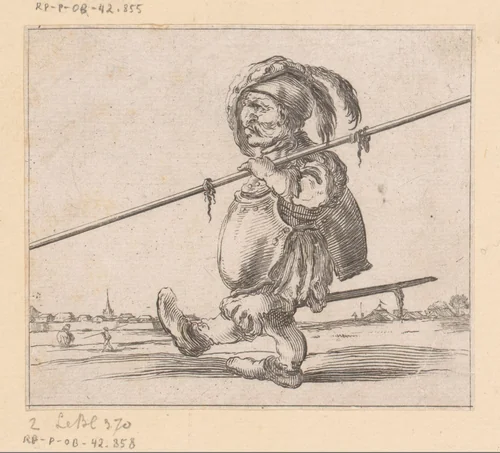
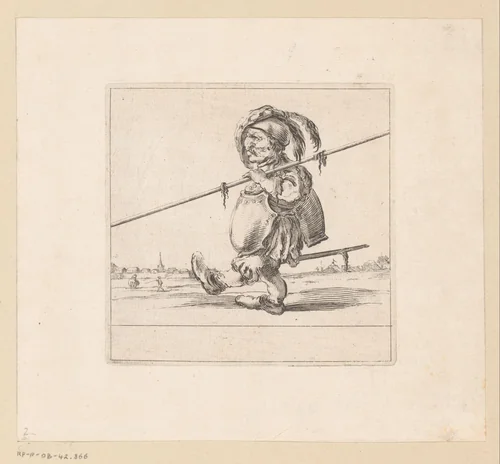
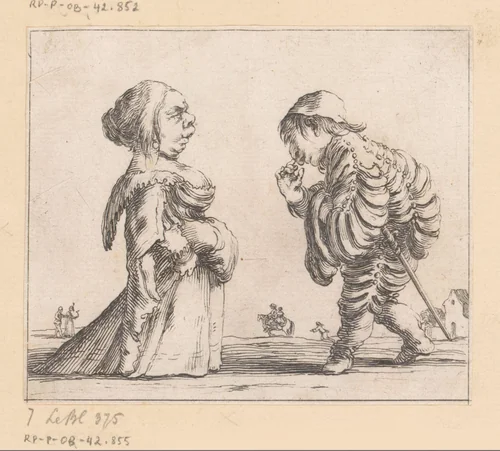
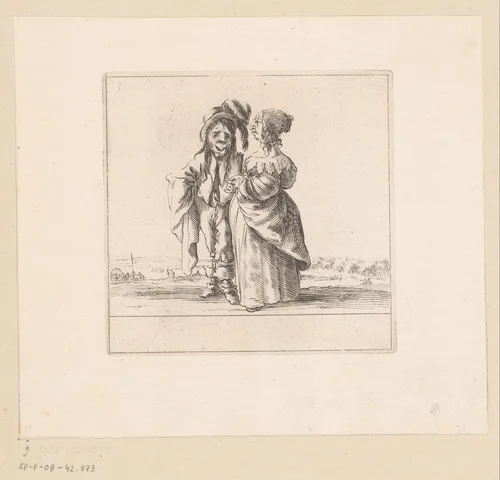
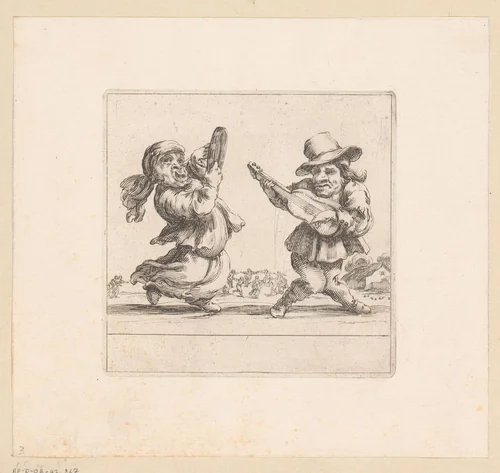
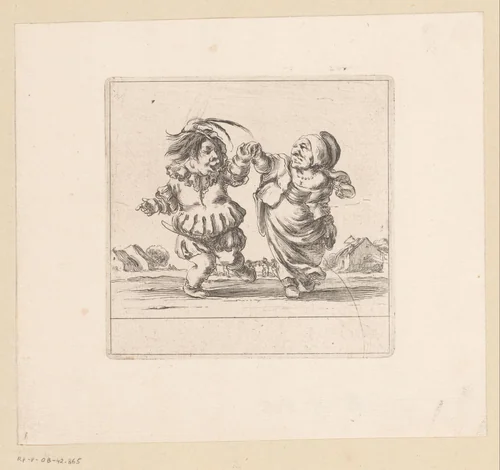
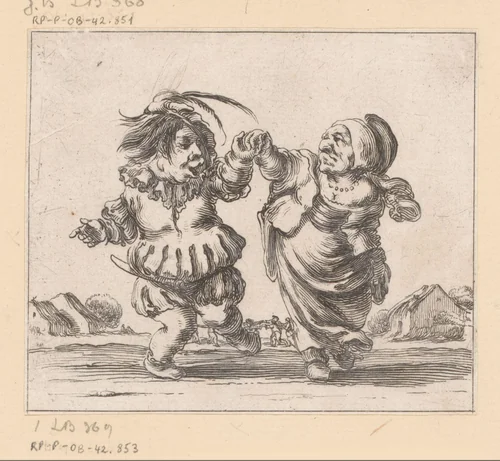
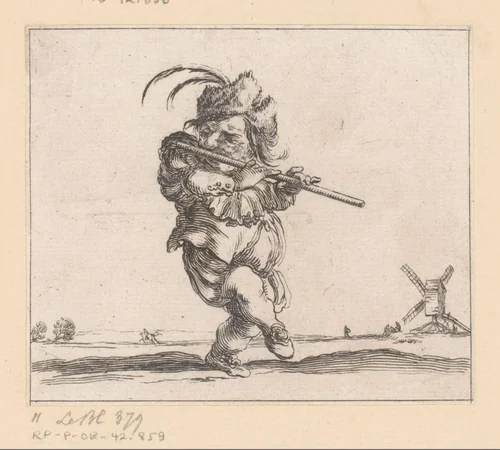
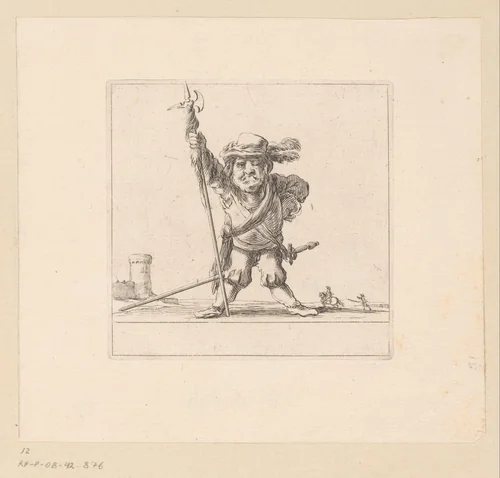
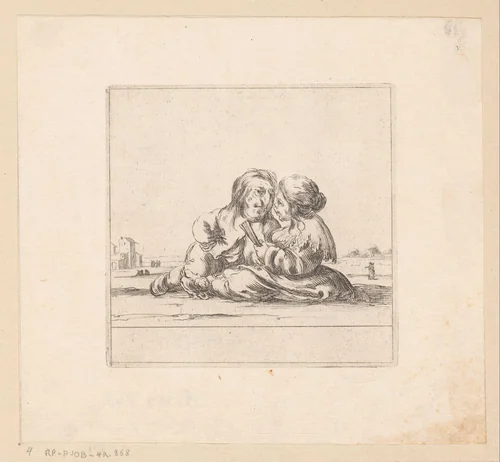
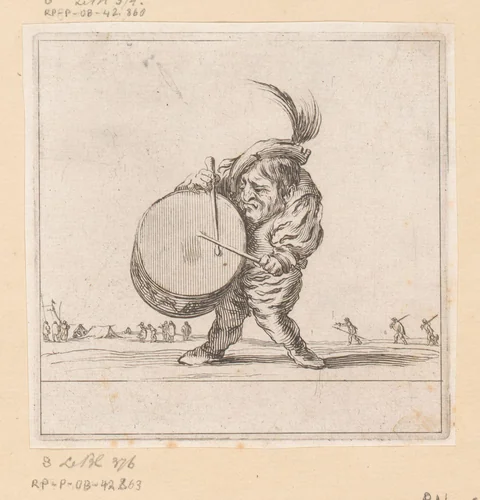
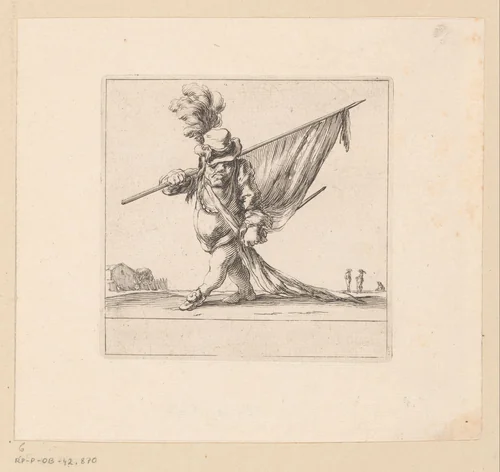
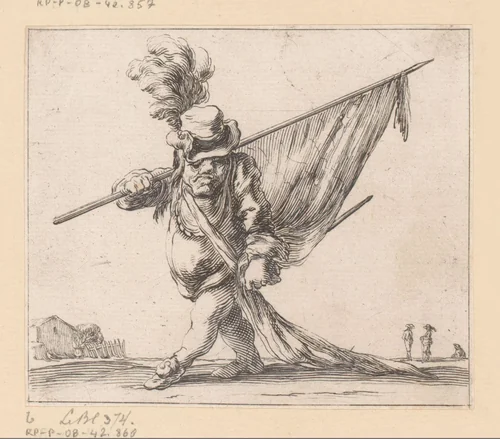
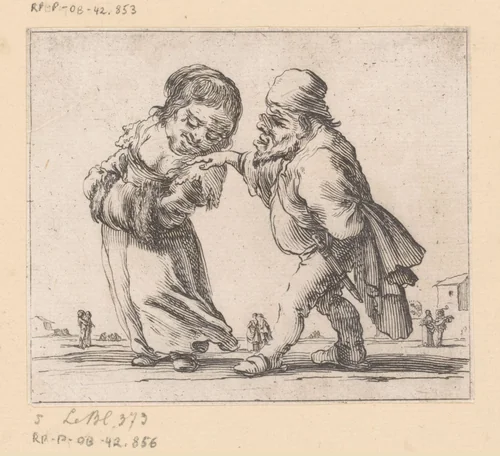
Beyond the conventional demands of commissioned landscape work, Collignon’s catalogue reveals an unexpected affinity for satirical subject matter. His surviving prints include a striking group of grotesque caricatures, such as the repeated instances of Karikaturale figuur met lans and the paired imagery of Karikaturale voorstelling van een man en een vrouw. It is a fascinating testament to the era’s taste that the same publisher responsible for serene, idealized Florentine vistas also actively circulated subjects rendered with such vigorous, pointed absurdity.
Collignon’s success as a publisher ensured the wide circulation of his imagery. This focus on mass distribution has allowed his legacy to persist; much of his work is now secured in the public domain, making these valuable historical images accessible globally as downloadable artwork.
Source: Wikipedia · CC BY-SA 4.0