François Chereau
François Chereau, known also by the slightly more formal designation François I Chéreau, was one of the foremost French master engravers working across the transition from the Baroque formality of Louis XIV’s long reign into the lighter sensibilities of the early 18th century. Active between 1680 and 1729, Chereau played a crucial role not only in the high-quality dissemination of contemporary portraiture but also in preserving the visual record of celebrated paintings through reproductive prints. His technical expertise in copperplate etching and burin work elevated his status significantly within the Parisian artistic hierarchy.
Chereau’s practice addressed two primary demands of the pre-photographic age: the authoritative visualization of power and the accessible replication of painting masterpieces. Through prints, he made exclusive art available to a wider audience, positioning his works as essential cultural artifacts across Europe. His rigorous attention to detail meant that even today, many of his resulting works, available as François Chereau prints, function as museum-quality reproductions, retaining the clarity and precision necessary for academic study.
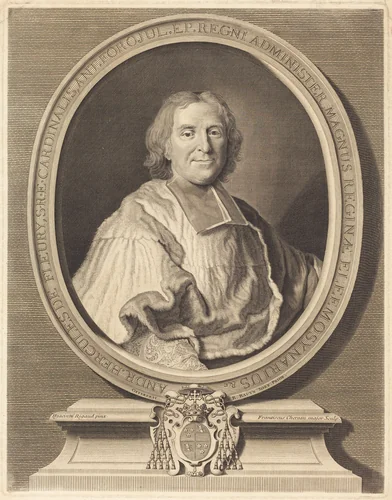
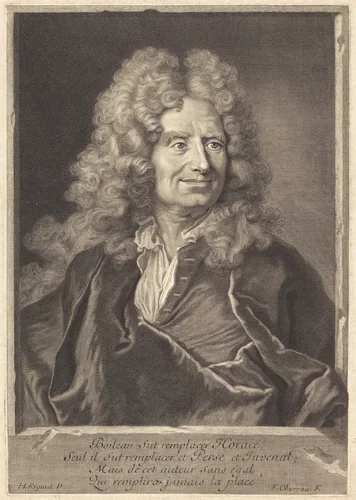
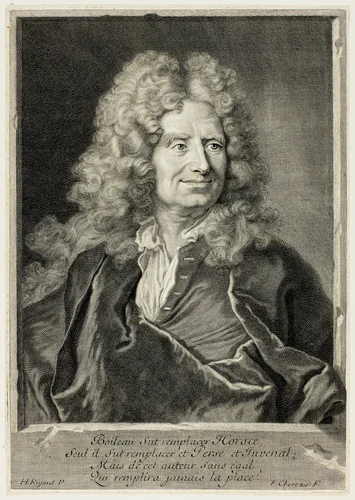
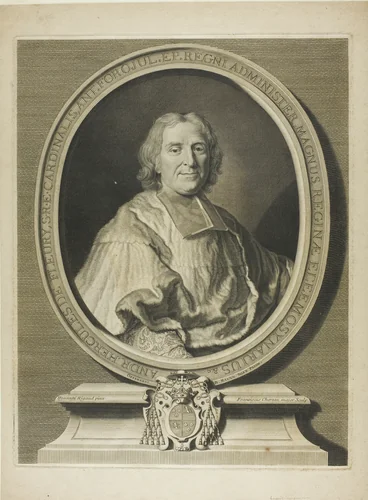
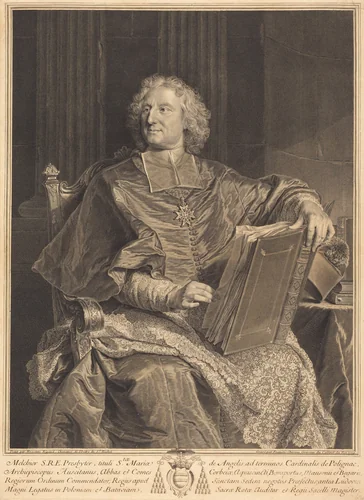
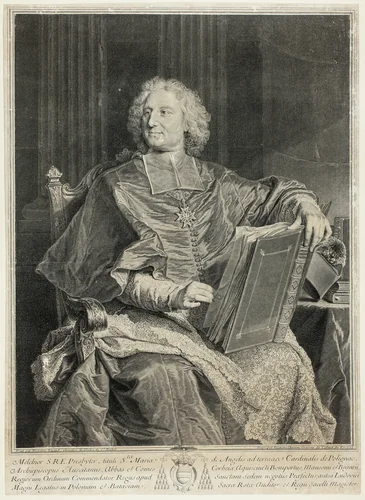
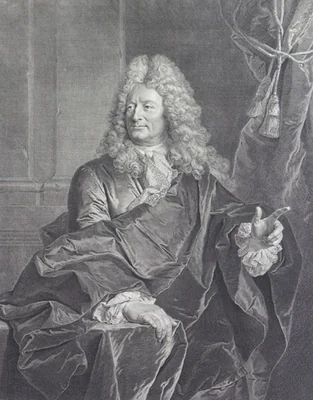
His commissioned portraits chronicle the intellectual and political giants of the French monarchy, providing enduring visual documents of their influence. Notable examples include the formal compositions devoted to the statesman and later chief minister, Cardinal Fleury (represented by two separate plates: Cardinal Fleury and Portrait of Cardinal Fleury), and the esteemed critic and poet Nicholas Boileau, whose character is captured in Portrait of Nicolas Boileau Despréaux. Such portraiture served a critical, almost propagandistic function, solidifying the subjects’ stature for posterity.
Chereau’s enduring significance lies precisely in this dedicated craft of visual translation. While the painters he copied often claimed the initial glory, it is the engraver who ensured their survival in portable, replicable formats. It is perhaps an understated observation that the engraver, dedicating a lifetime to the meticulous recreation of others’ images, secures a quiet permanence often denied to his more flamboyant painter contemporaries.
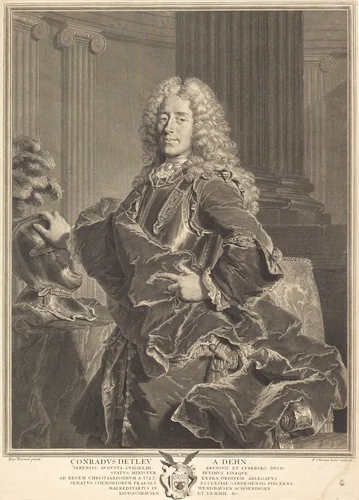
Today, the historical importance of his output ensures that works like Conradus Detleu von Dehn are carefully maintained in prominent collections, including the Art Institute of Chicago and the National Gallery of Art. Thanks to modern curatorial initiatives, much of his foundational work is now deemed public domain, offering researchers and enthusiasts the opportunity for downloadable artwork derived from these historic plates.
Source: Wikipedia · CC BY-SA 4.0