François Chauveau
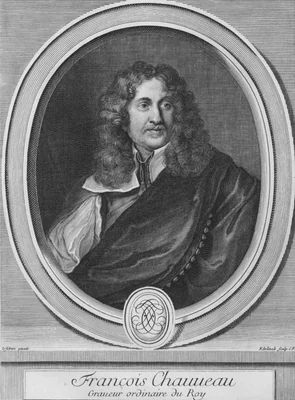
François Chauveau was a versatile French artist active in the early 17th century, primarily recognized for his significant skill as a burin engraver and draftsmen, though he was also accomplished as a painter. The consistent quality of his output, particularly within the decade spanning 1613 to 1623, ensures his sustained presence in major international collections, including the Rijksmuseum, the Metropolitan Museum of Art, and the National Gallery of Art, confirming his established museum-quality.
Chauveau’s foundational role lay in the creation of reproducible imagery through engraving. His technique relied on the demanding precision required by the burin tool, a skill set demanding rigorous control and reflective of the academic standards prevalent in French artistry of the period. His proficiency was not limited to translating others' designs; he operated as an independent draftsmen, capable of rigorous and original composition across various subjects.
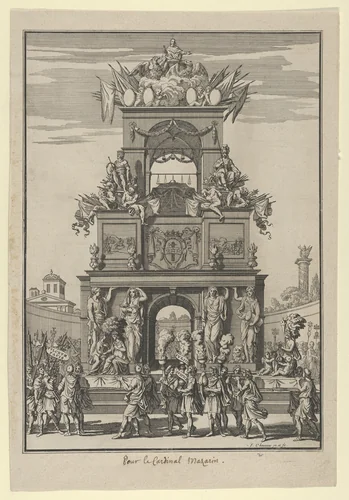
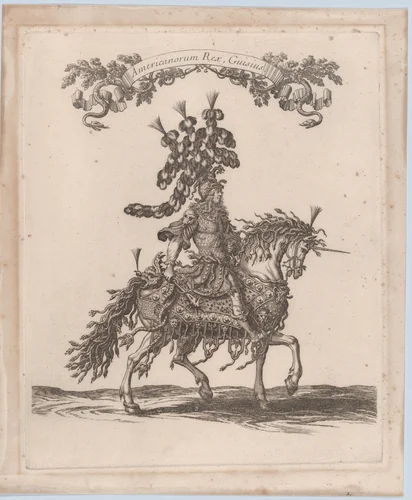
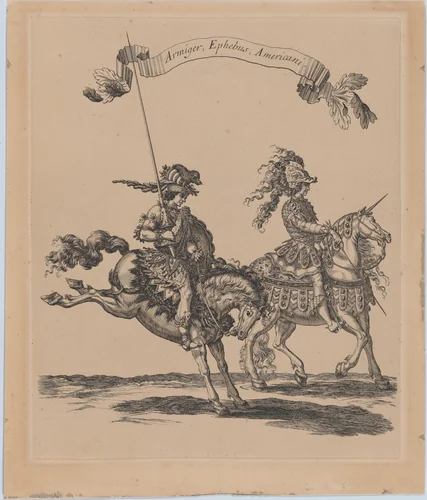
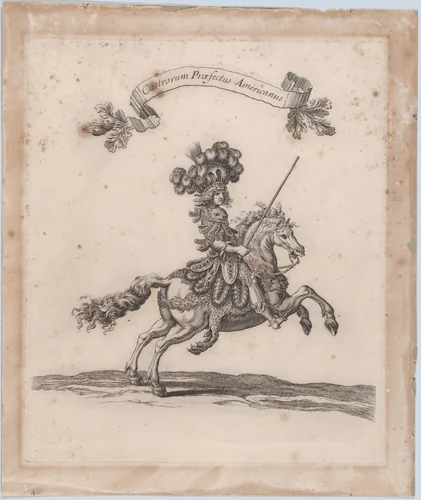
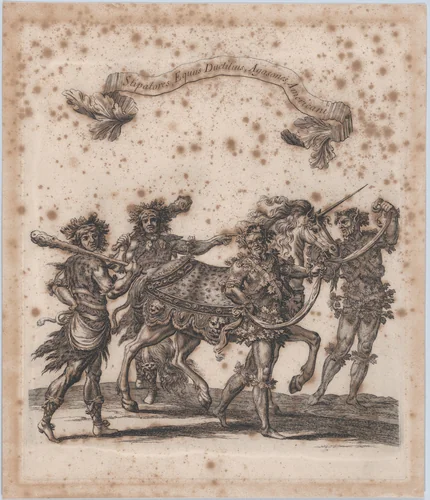
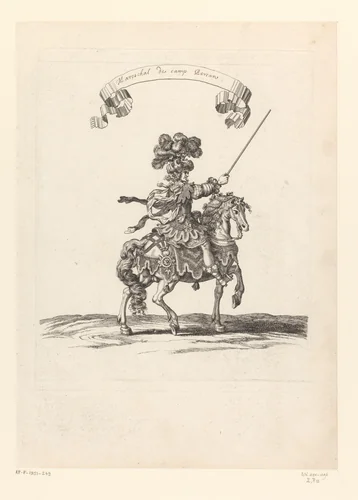
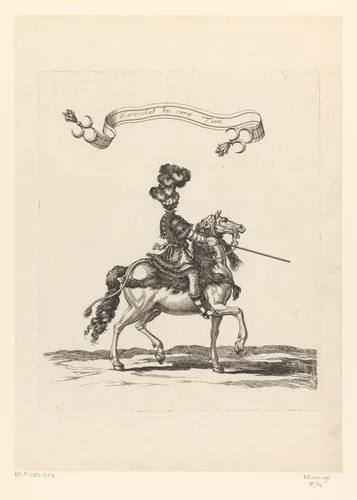
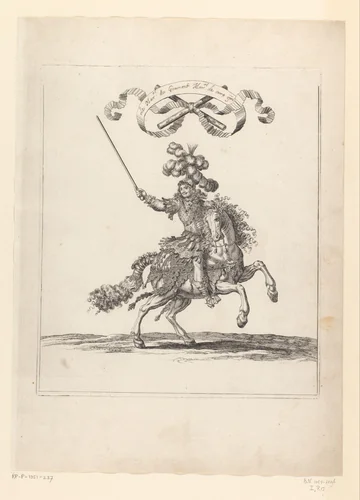
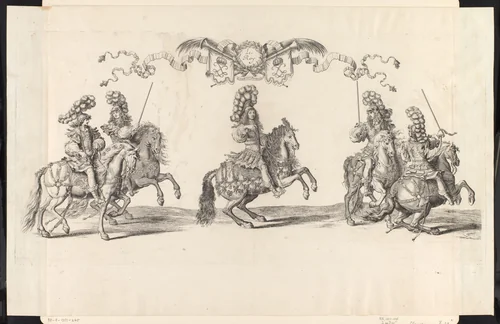
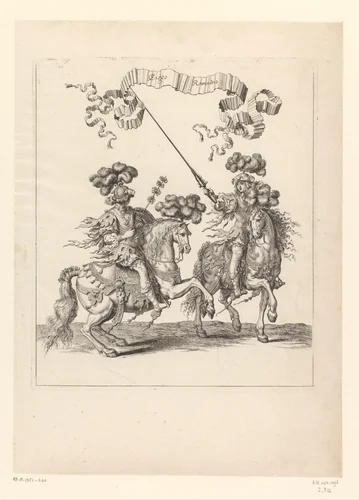
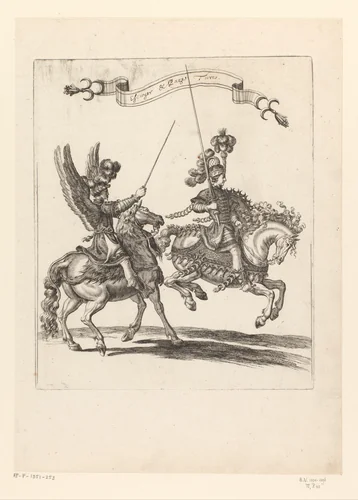
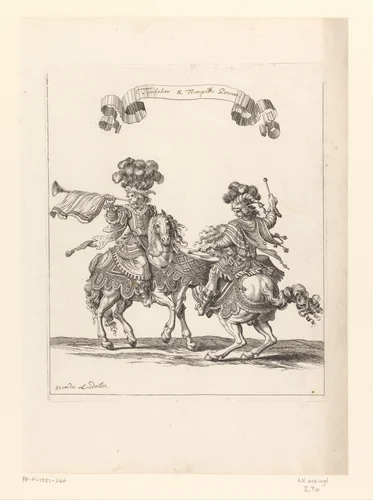
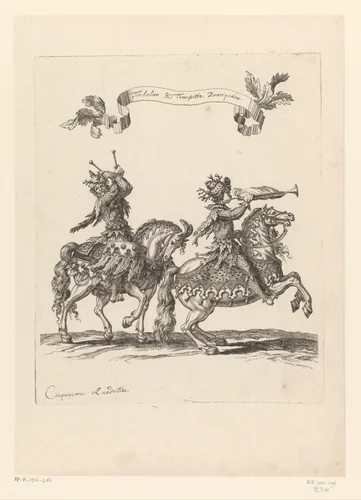
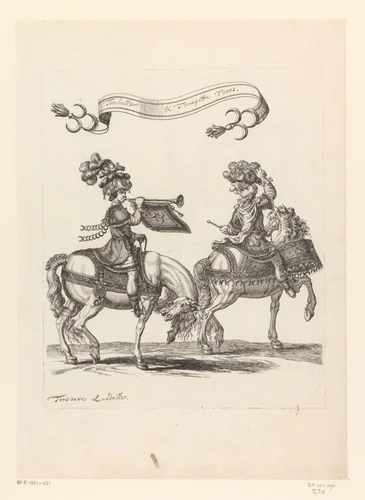
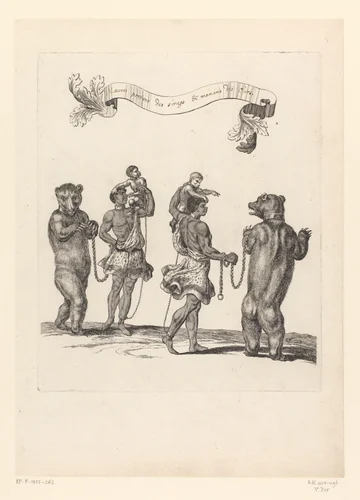
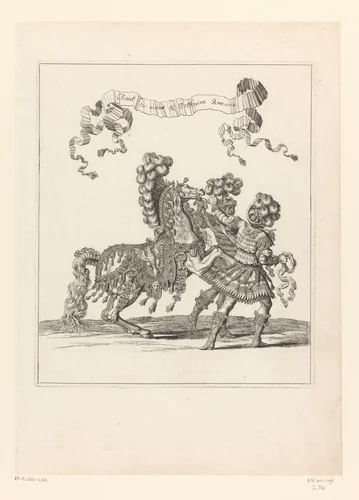
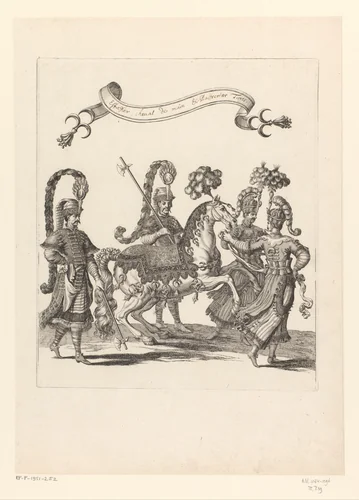
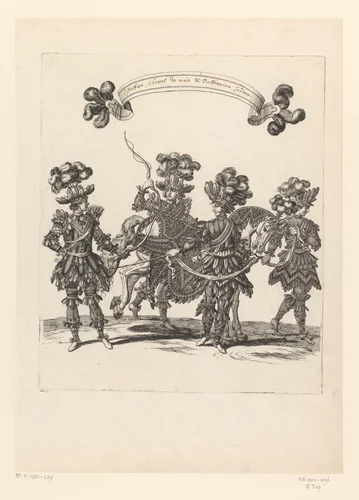
His extant body of work, comprising at least fifteen documented prints, demonstrates a wide stylistic and thematic range, moving fluidly between religious iconography, historical portraiture, and ethnographic studies. Key examples include the devotional subject Adoration and the politically sensitive portrait Charles I in an Octagonal Border. Perhaps the most intriguing aspects of his print catalogue are those dedicated to perceived exotic subjects, such as the detailed equestrian study Cheval de Main et Palfreniers Romains and the striking, possibly fanciful, depiction of nobility in Le Duc de Guise, Roy Ameriquain. The very inclusion of a "King of America" suggests a fascinating, though perhaps slightly mythologized, early modern European engagement with global exploration and non-European cultures.
Although the documented output of François Chauveau prints is focused, it offers a crucial window into 17th-century visual culture and the dissemination of ideas. Today, many of these influential designs are available through digital repositories. Researchers and art enthusiasts can often find downloadable artwork derived from originals now residing in the public domain, ensuring that high-quality prints of his work remain accessible for study without concern for royalty-free restrictions.
Source: Wikipedia · CC BY-SA 4.0