Francisco Lameyer
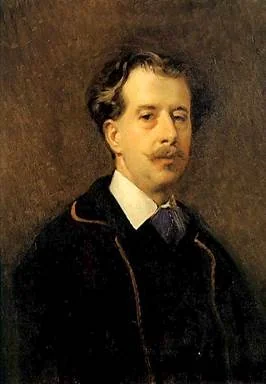
Francisco Lameyer y Berenguer (1825-1896) was a pivotal Spanish illustrator and painter whose stylistic evolution charts the major aesthetic currents dominating mid-19th century European Romanticism. Lameyer’s significance is cemented by his representation in major international institutions, including the Metropolitan Museum of Art, and by the comprehensive scope of his subject matter, which bridged local genre studies and international Orientalism.
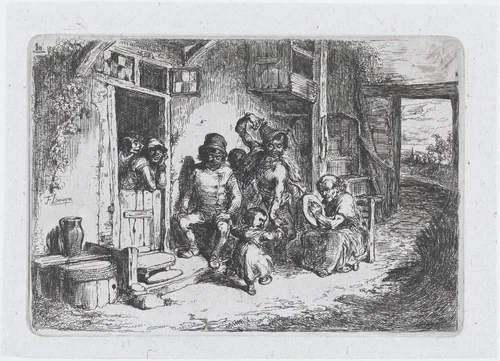
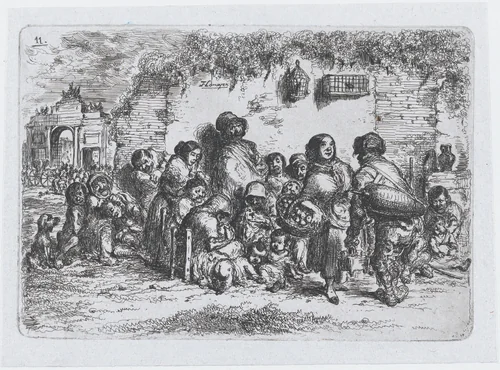
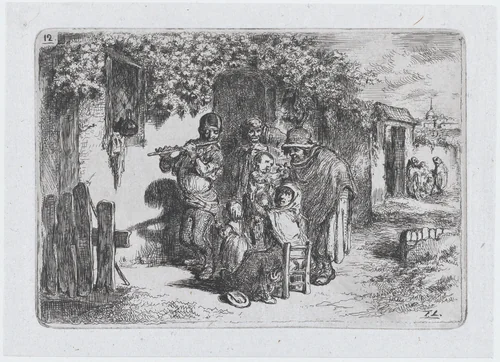
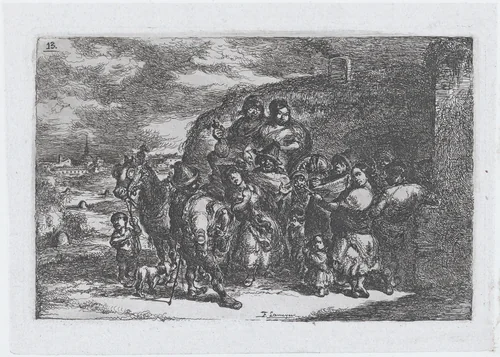
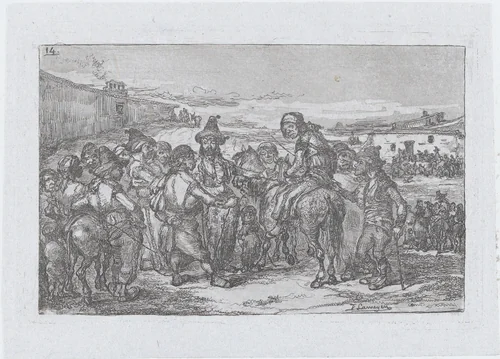
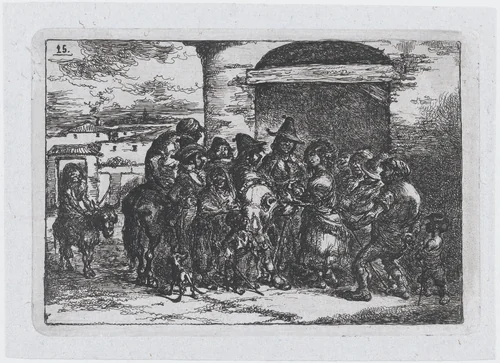
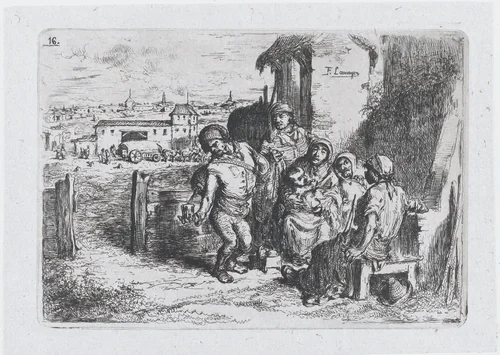
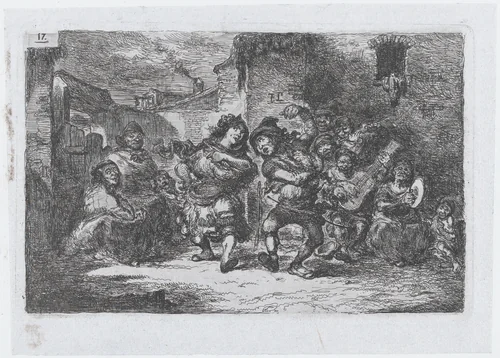
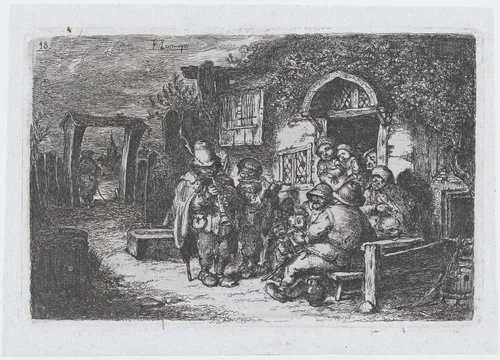
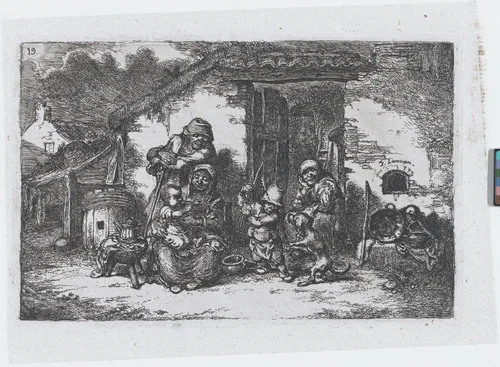
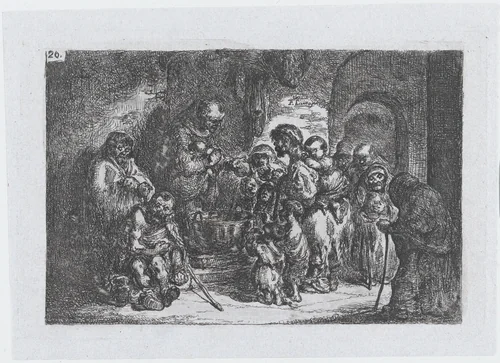
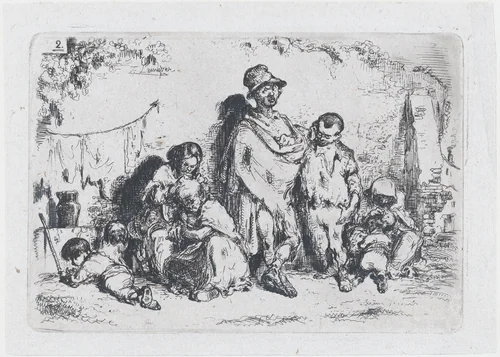
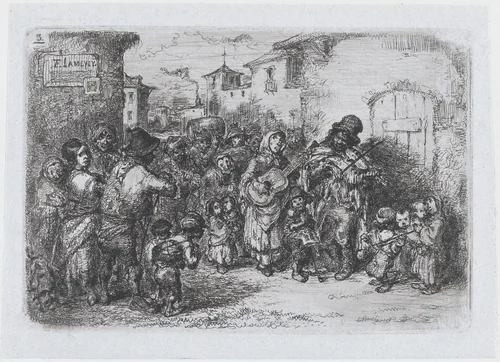
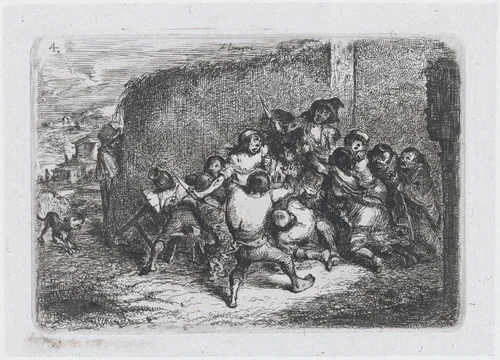
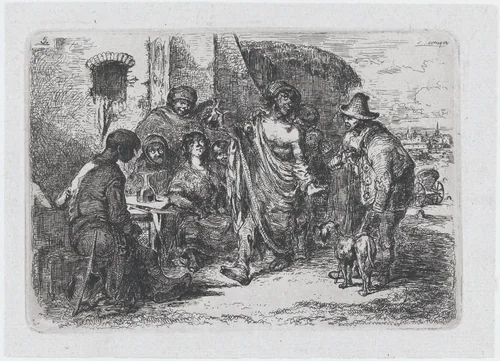
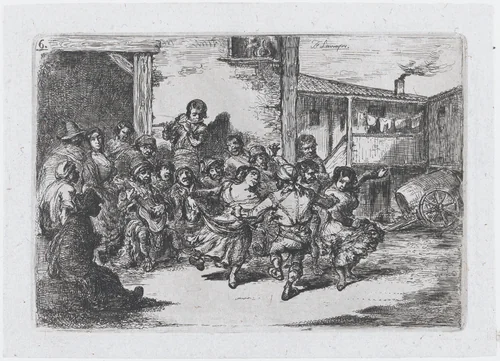
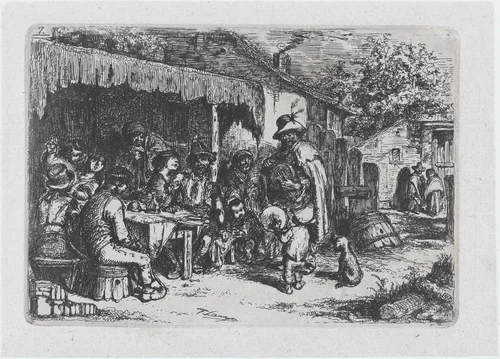
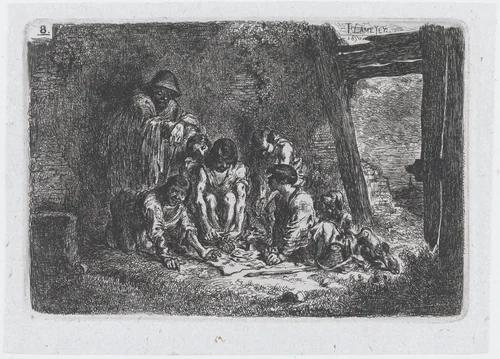
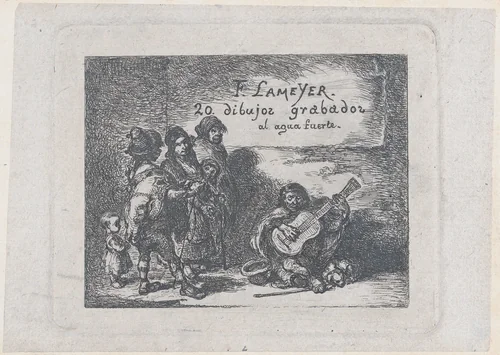
Lameyer’s early career was firmly rooted in the Spanish tradition, focusing on detailed observations of local custom and everyday life. His graphic output, specifically the influential series depicting "customs and pastimes of the Spanish people" (circa 1850), clearly demonstrates the powerful, observational influence of Francisco de Goya. These works typically eschew dramatic narrative in favor of anthropological documentation, capturing lively outdoor events, such as Plate 10, which shows two figures dancing while another plays a drum. Other scenes depict intricate community groupings, musicians, and large assemblies, establishing Lameyer as a keen chronicler of the pueblo just prior to Spain's swift turn toward modernity. It is these meticulously rendered scenes that provide some of the most charming visual records of Spanish folklore of the period.
As Lameyer’s practice matured, his interests broadened geographically, leading him toward the prevailing trend of Orientalism. His later paintings reveal a decisive break from the often stark realism inherited from Goya, adopting instead the vivid palette and dynamic, gestural approach popularized by French master Eugène Delacroix. This shift placed Lameyer among the international cohort of artists exploring the exoticism of North African and Middle Eastern themes.
Though his documented graphic works are relatively few in number-only fifteen prints are officially cataloged from his key series-they serve as crucial visual markers in the trajectory of 19th-century Spanish art. The enduring appeal of these images, from vibrant folk scenes to later Orientalist studies, ensures continued interest. Today, high-quality prints of these significant Francisco Lameyer prints are frequently accessible through digital museum collections, often provided as downloadable artwork for both scholarly research and public appreciation.
Source: Wikipedia · CC BY-SA 4.0