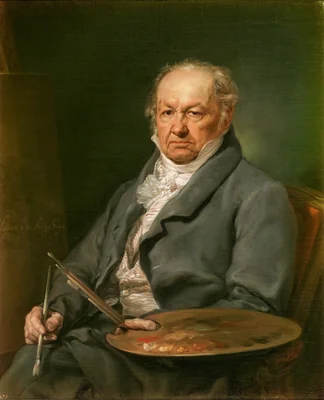
Francisco José de Goya y Lucientes
Francisco José de Goya y Lucientes stands as the most critical Spanish artist bridging the eighteenth and nineteenth centuries. Active across painting and printmaking, Goya achieved an unmatched dual status: he is frequently, and perhaps uniquely, referred to as the last of the Old Masters and the first of the moderns. His early career aligned with traditional courtly portraiture, but his artistic trajectory soon absorbed the turbulent political and social changes sweeping through Spain and Europe. He channeled the emerging energy of the Romantic era, transforming traditional compositions into starkly emotional observations.
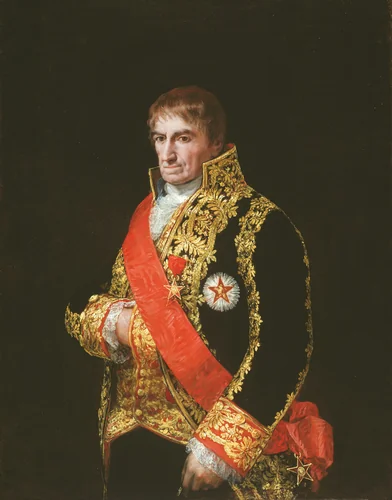
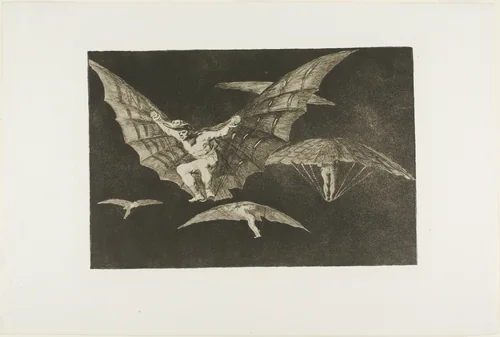
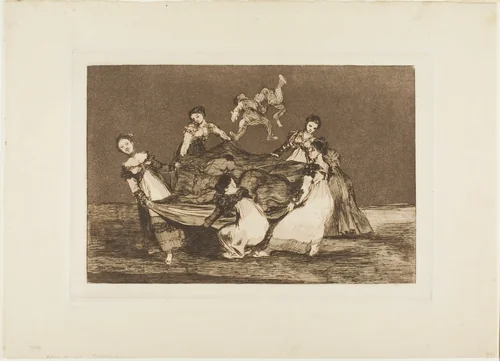
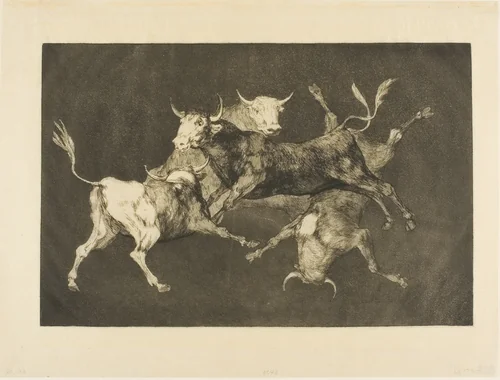
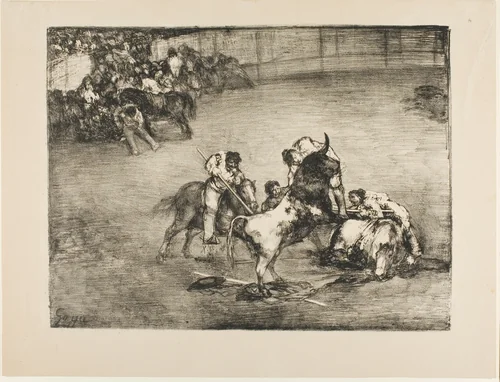
Goya mastered both painting and innovative printmaking, using his varied output to chronicle contemporary historical upheavals. While his grand-scale works defined royal patronage, his print series offered a biting commentary on human folly and conflict, fundamentally altering the trajectory of graphic arts. His portraiture, even when depicting the highest nobility, occasionally includes a subtle current of skepticism, revealing human frailty beneath the formal veneer. A selection of his works—including A Dwarf, Aesop, and the formal depiction of Gaspar de Guzman, Conde Duque of Olivares—held by collections such as the Art Institute of Chicago, demonstrates his mastery over psychological depth.
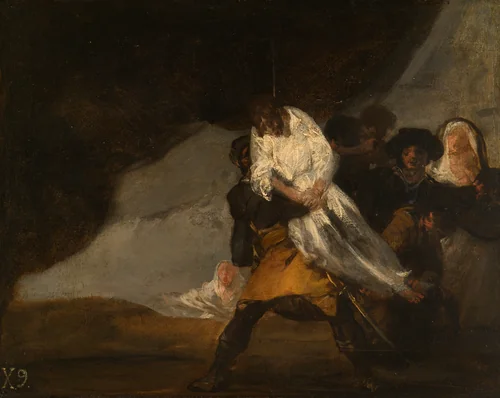
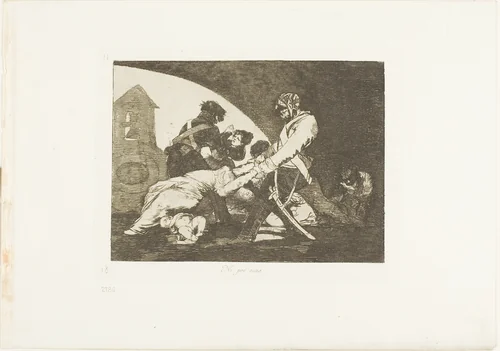
The unflinching realism and technical experimentation found in Francisco José de Goya y Lucientes paintings and Francisco José de Goya y Lucientes prints proved deeply influential, directly shaping major nineteenth- and twentieth-century artists who followed. His willingness to confront the horrors of war and the absurdities of society established him as a pioneer in utilizing art for genuine social critique. Today, the enduring power of his compositions ensures their continued study across the globe. Many of these vital works are now in the public domain, allowing institutions to provide high-quality prints and downloadable artwork, thus ensuring that his substantial contribution to art history remains accessible for both scholarship and appreciation worldwide.
Source: Wikipedia · CC BY-SA 4.0