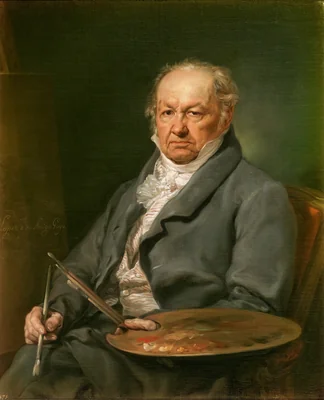
Francisco José de Goya
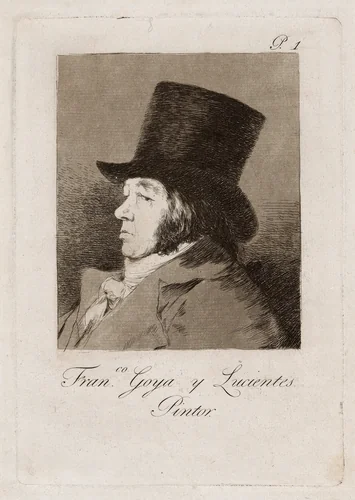
Francisco José de Goya y Lucientes (1746–1828) holds a singular and towering position in the history of Western art. Recognized as the last great Spanish Old Master and simultaneously the first artist of the modern era, Goya’s prodigious output in painting, drawing, and especially printmaking chronicled the seismic social and political shifts of Spain from the Enlightenment into the Napoleonic age. He remains the most important Spanish artist of the late 18th and early 19th centuries, bridging the aesthetic of royal patronage with the unvarnished realism that would define subsequent generations.
Though early in his career he achieved official success as Court Painter to the Spanish Crown, producing significant portraits and religious commissions, it is the transformative nature of his graphic work that secured his radical legacy. Utilizing etching, engraving, and the newly popular technique of aquatint, Goya produced complex narrative series that moved far beyond simple genre scenes, focusing instead on satire, superstition, and the dark undercurrents of human folly.
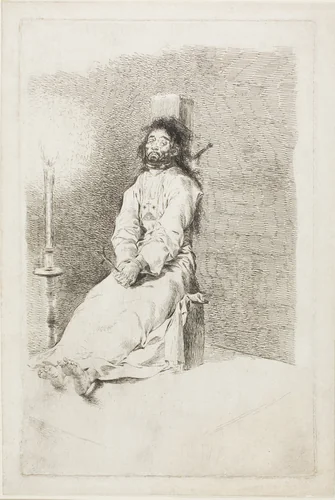
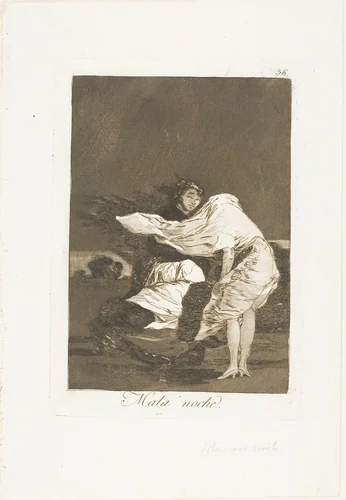
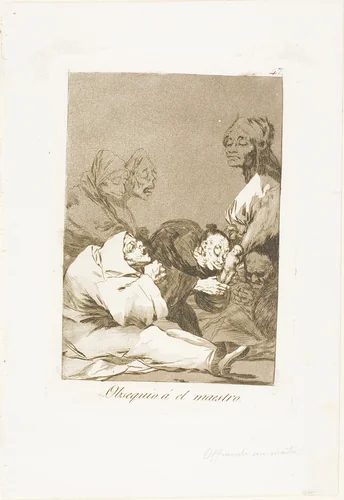
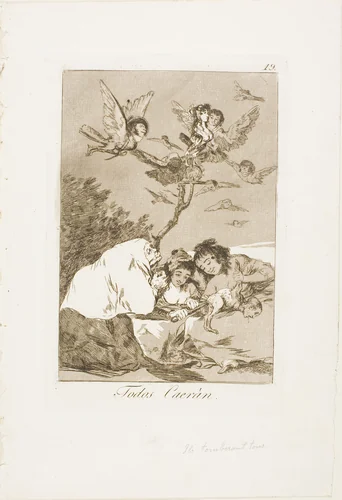
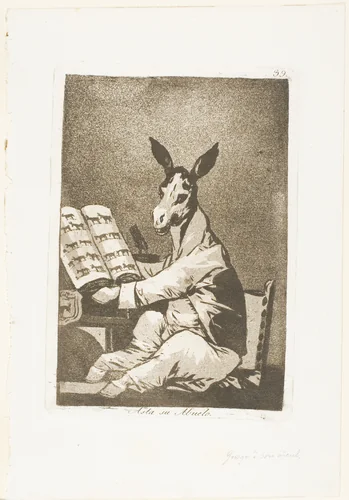
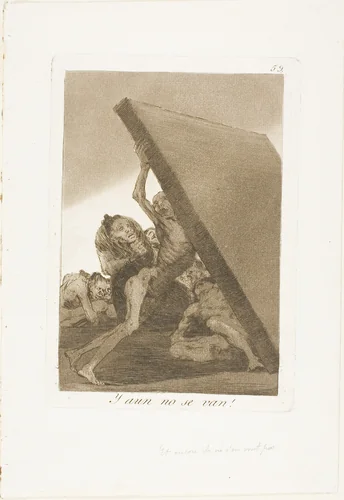
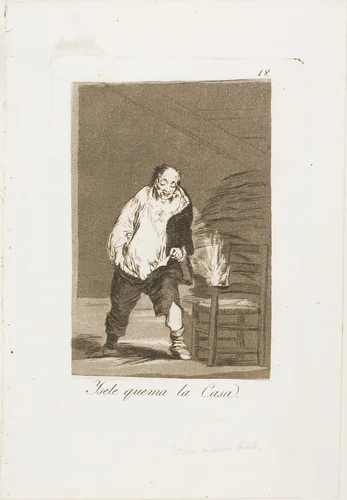
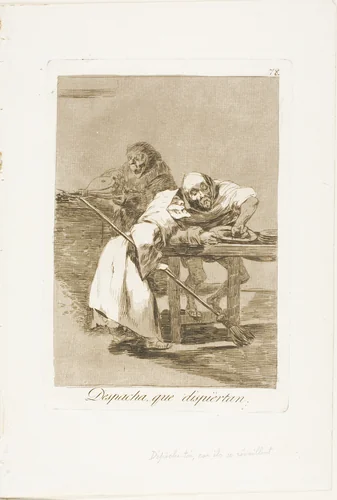
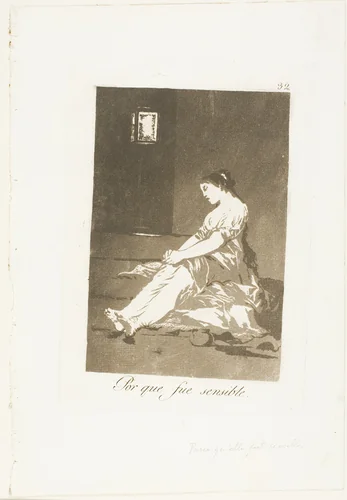
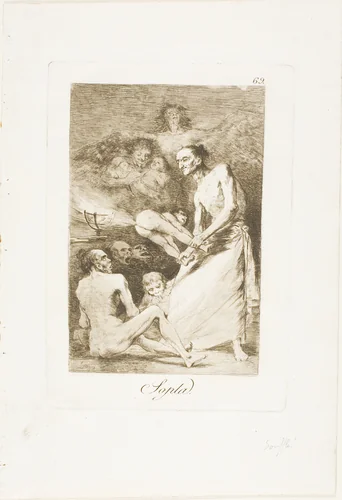
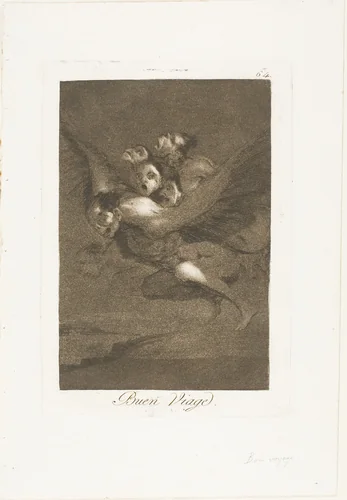
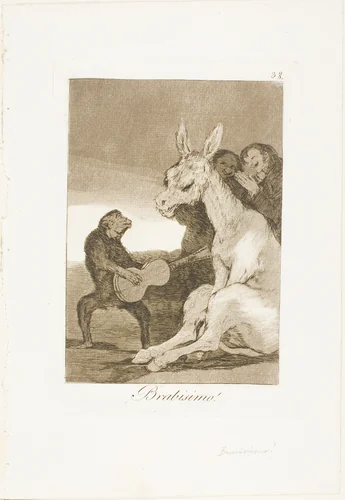
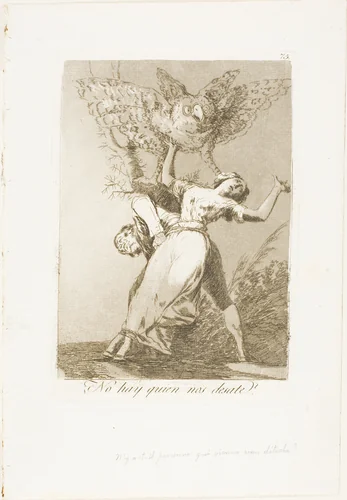
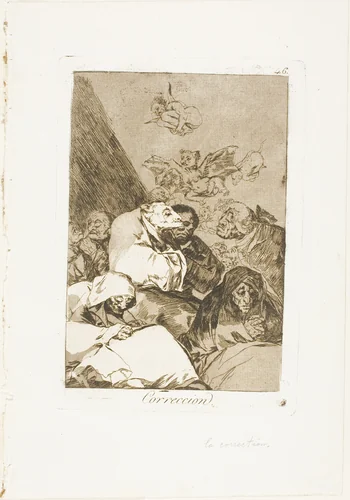
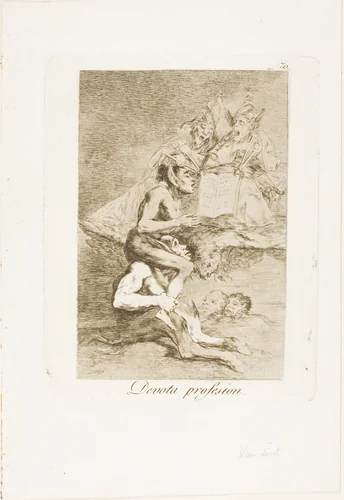
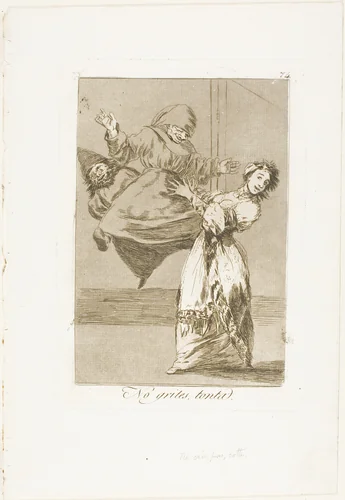
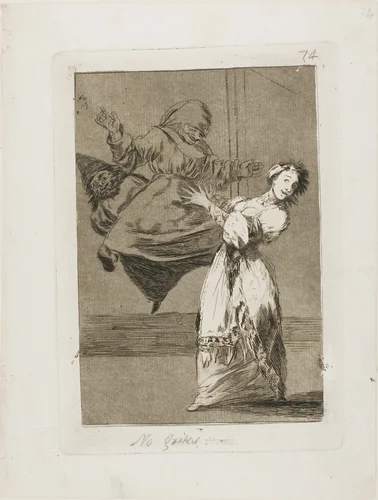
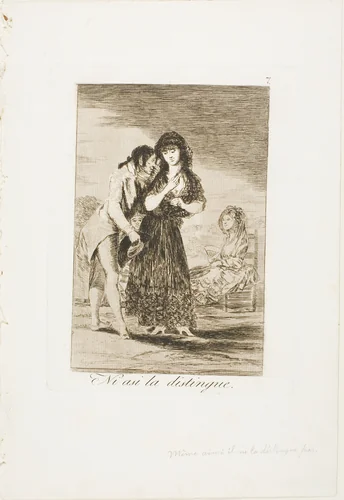
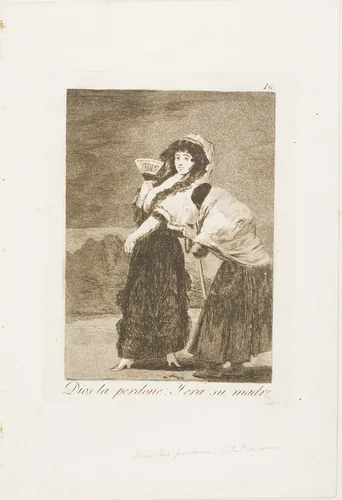
Active as a printmaker between 1778 and 1797, Goya perfected the art of social commentary. The eighty plates of Los Caprichos (The Caprices) offer a sharp, unrelenting critique of entrenched ignorance and the abuses of power, exemplified by plates like A Gift for the Master or All Will Fall. One might observe that Goya rarely offered simple answers; his work consistently presents difficult questions concerning morality and justice, as seen in the unflinching realism of the standalone etching, The Garrotted Man. Such powerful images demonstrate why Francisco José de Goya prints remain crucial sources for historical study and artistic influence.
Goya's unwavering gaze into the complex mechanics of the human condition profoundly influenced later artists, notably those of the 19th- and 20th-century movements. His radical approach to composition and subject matter laid foundational groundwork for both Realism and Expressionism. Today, many of his graphic works are now in the public domain, allowing institutions worldwide to offer high-quality prints and downloadable artwork, thereby ensuring his critical vision remains accessible for contemporary scholarship and appreciation, centuries after their initial, often controversial, release.
Source: Wikipedia · CC BY-SA 4.0